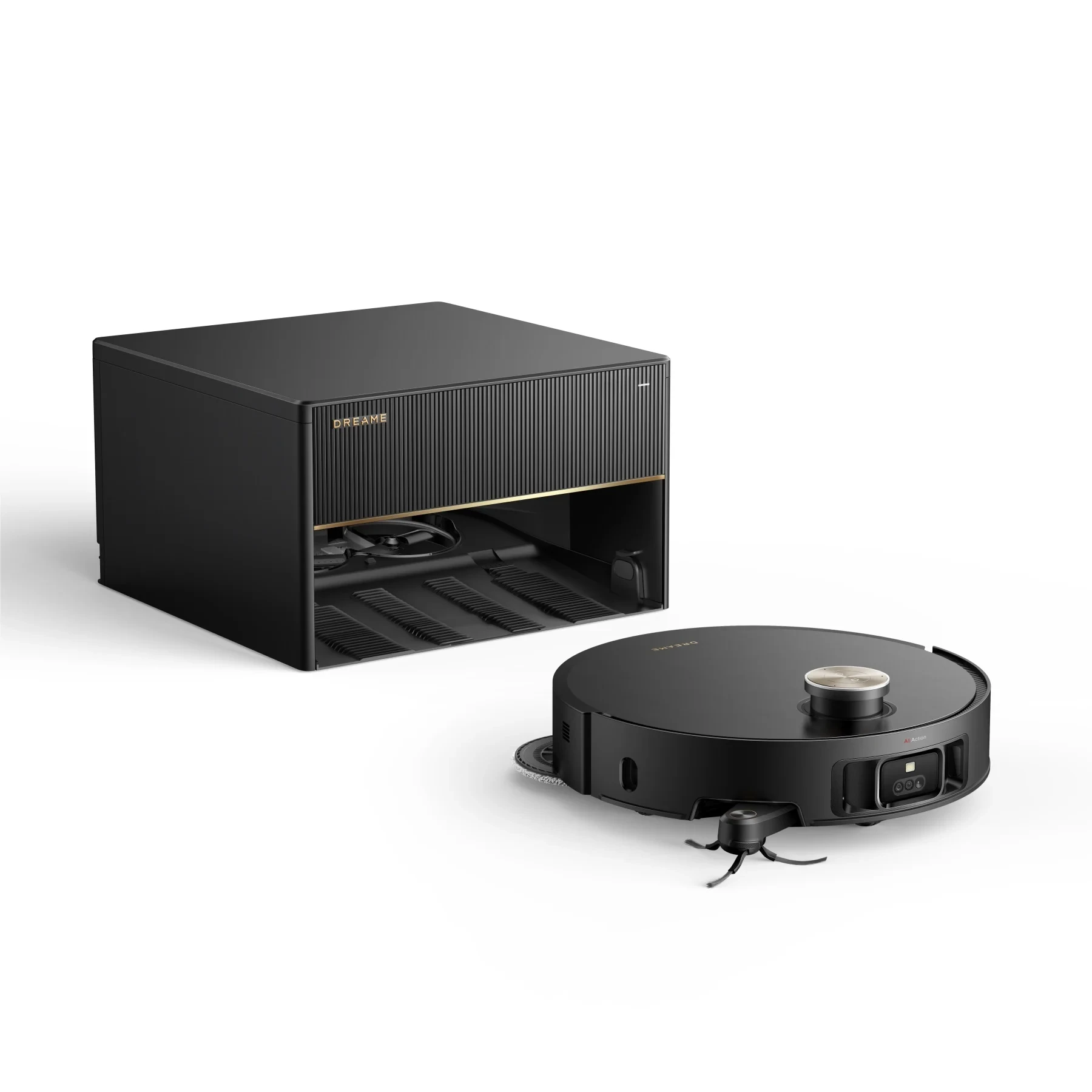
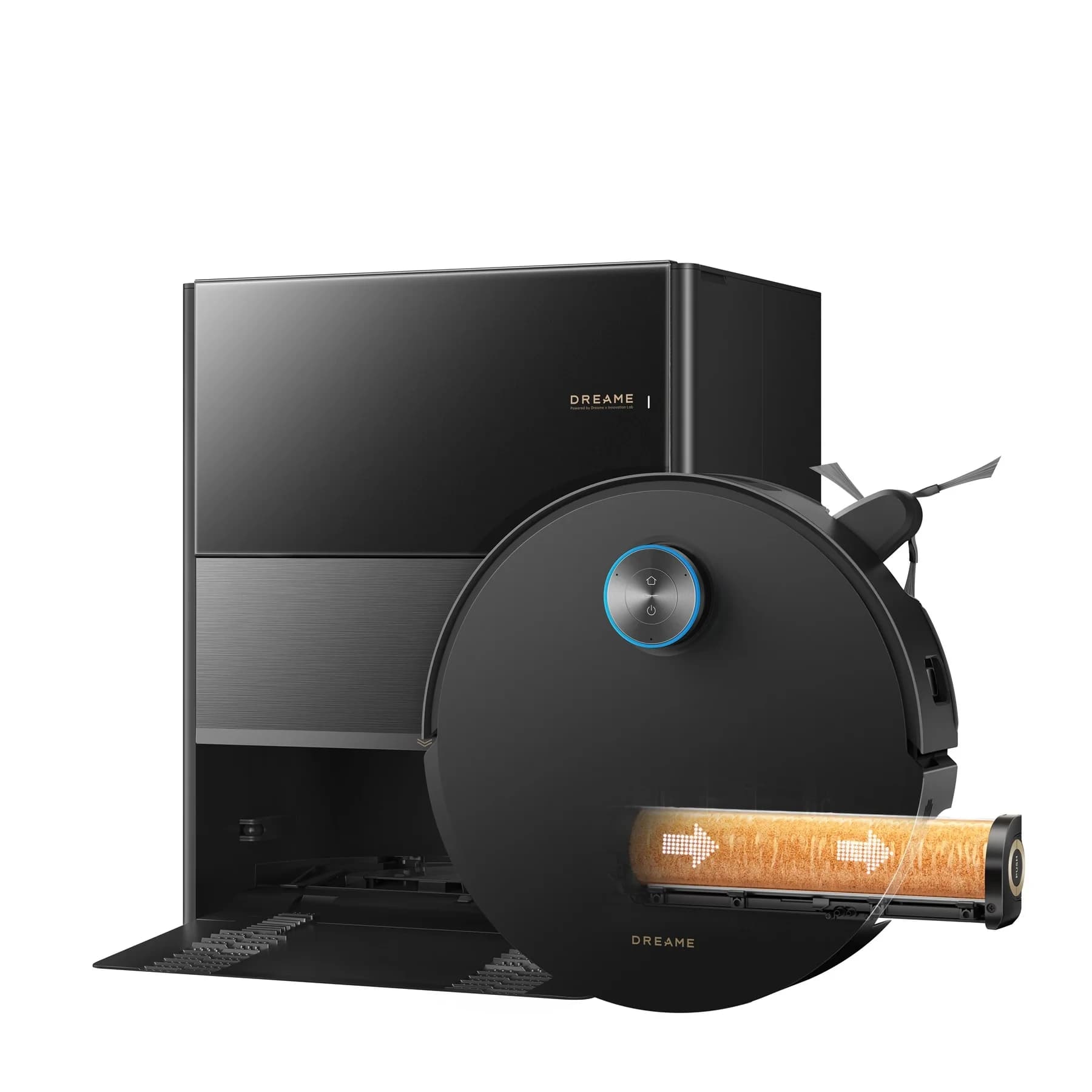
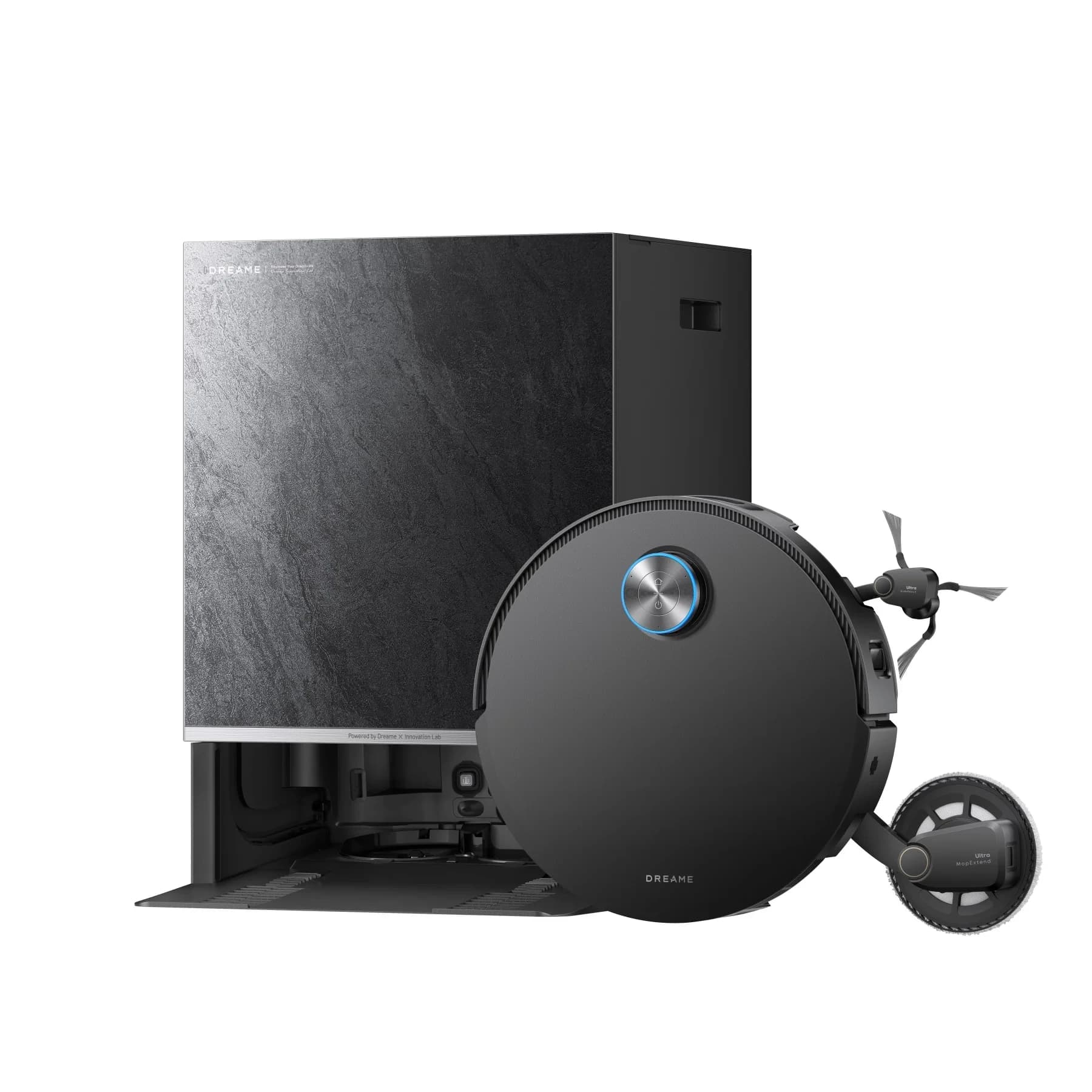
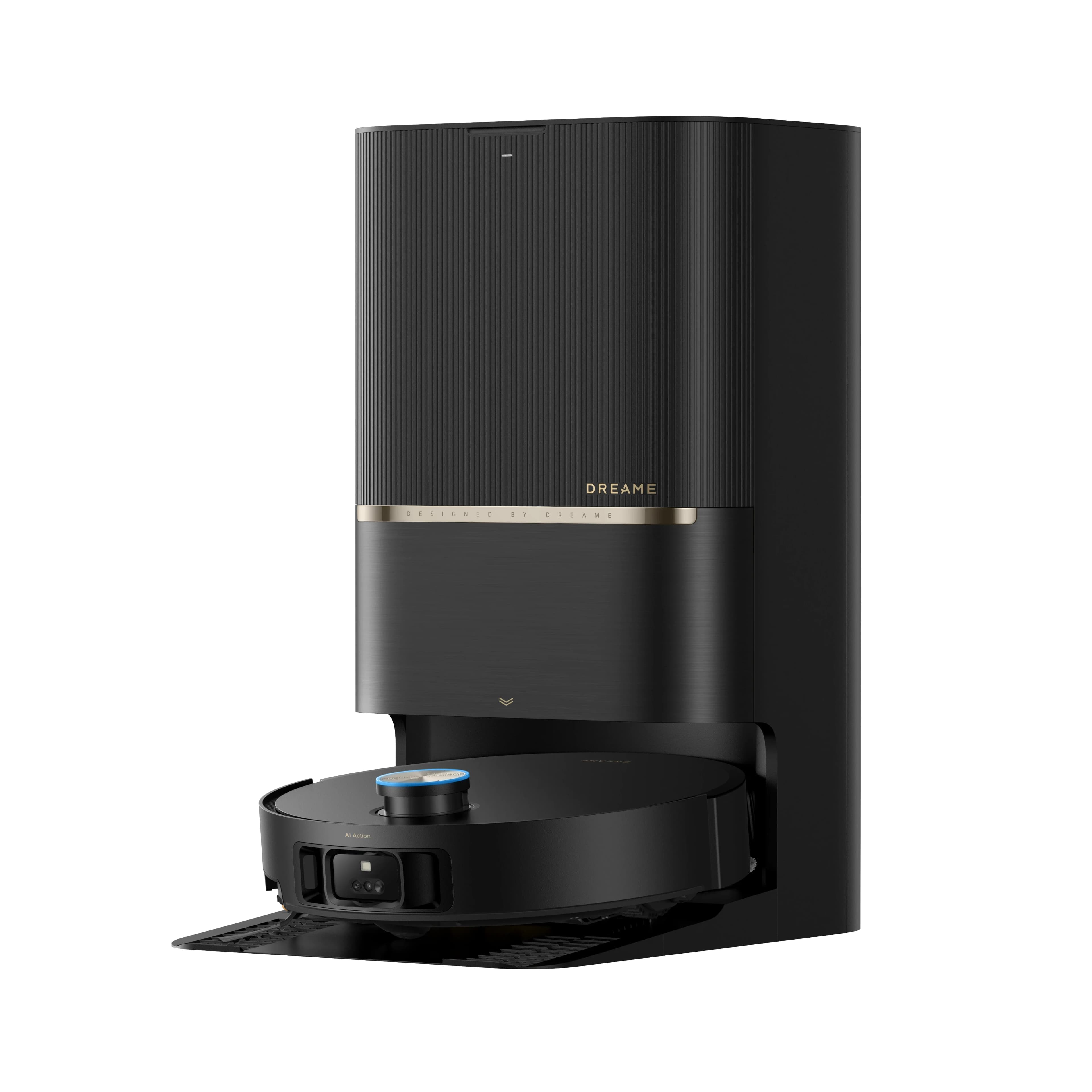
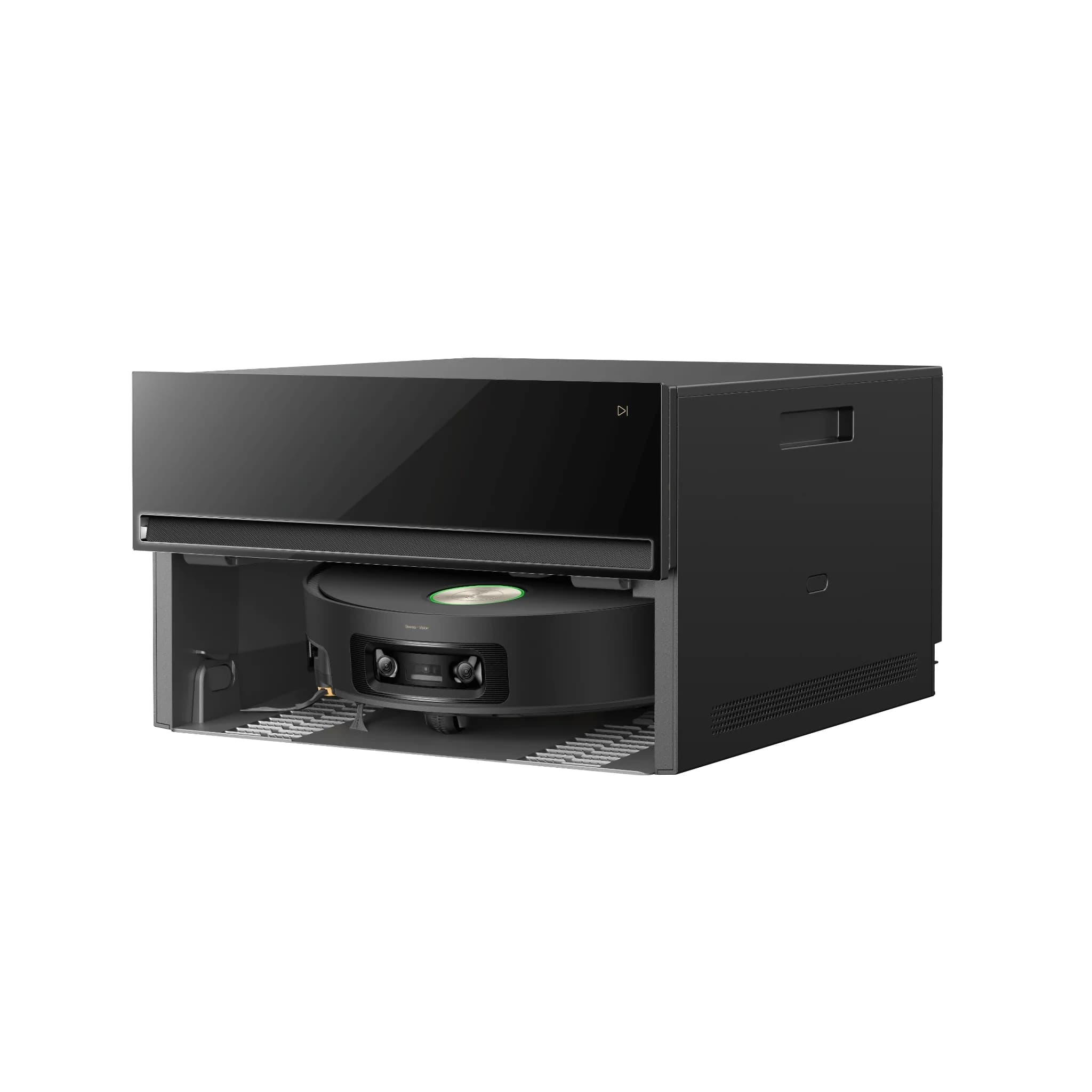
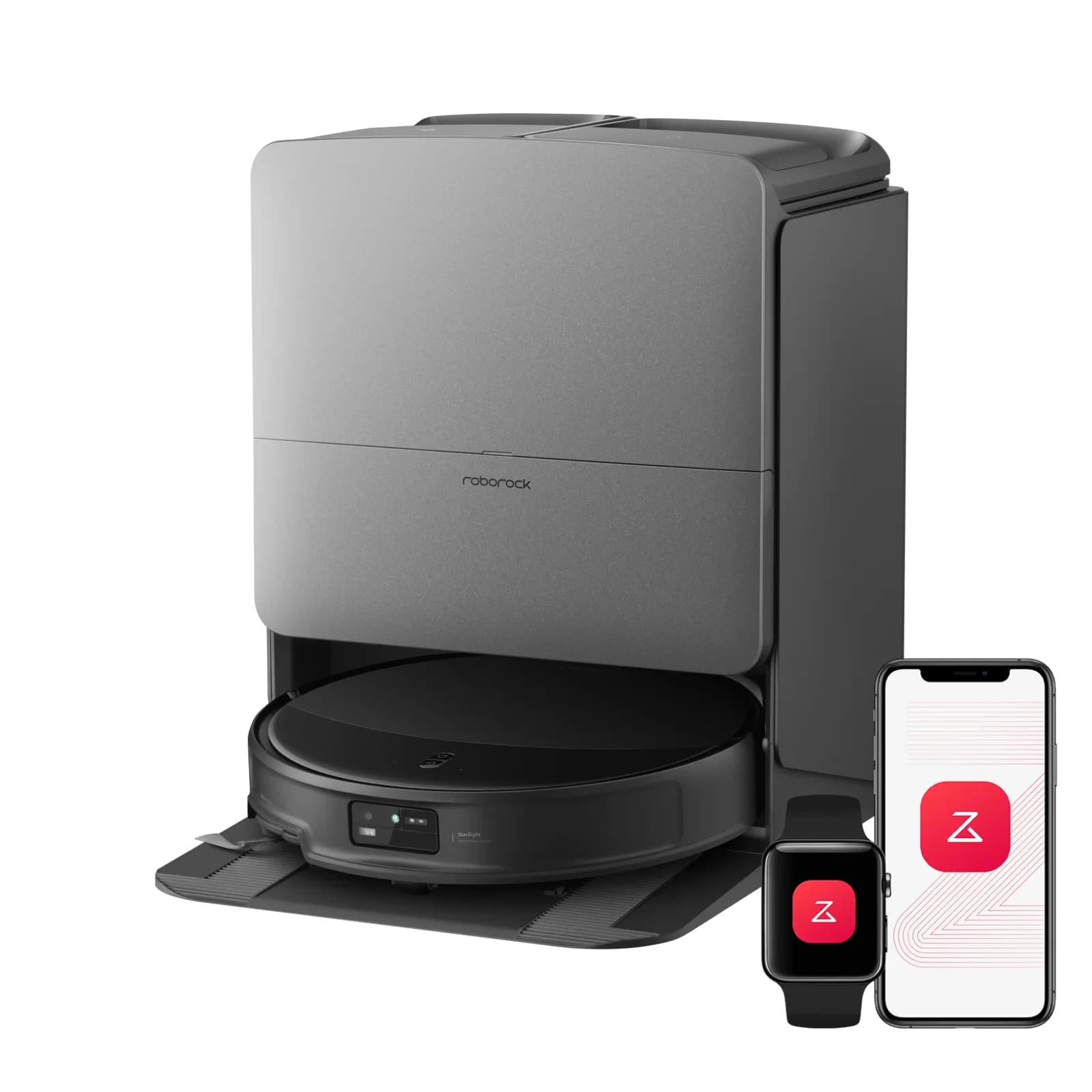
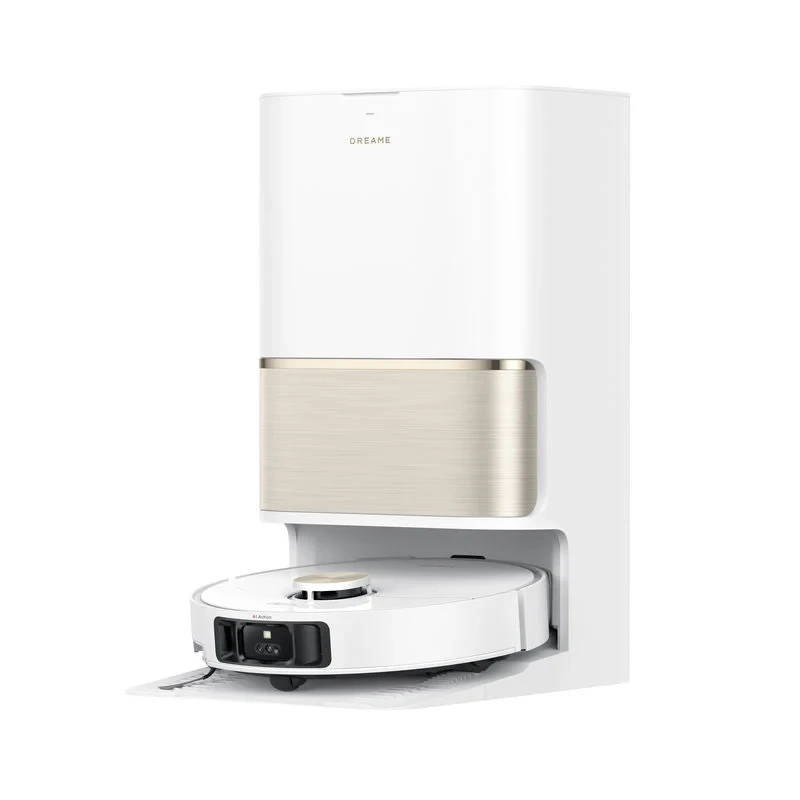
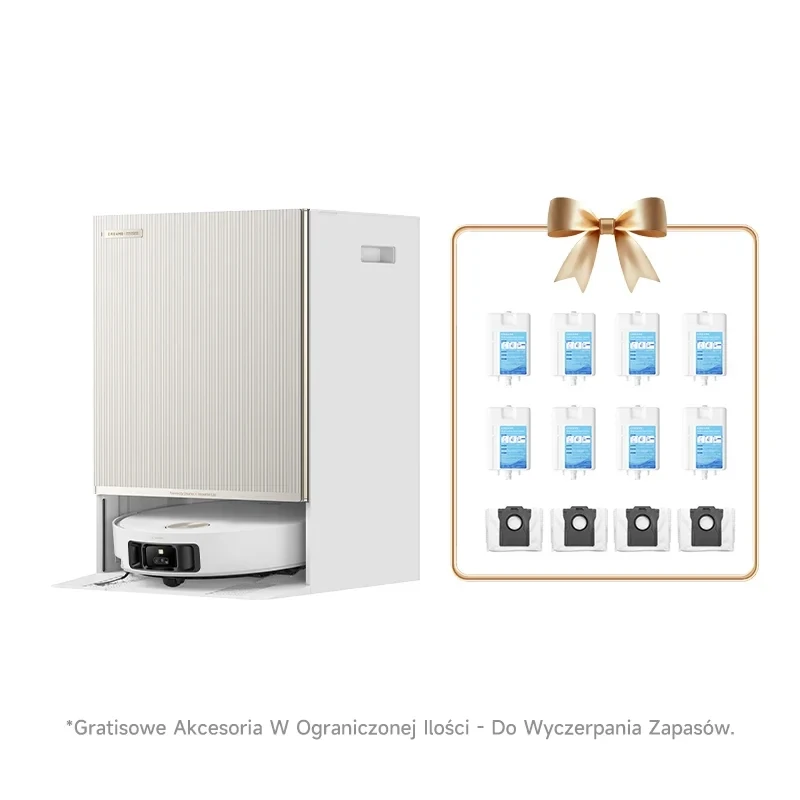
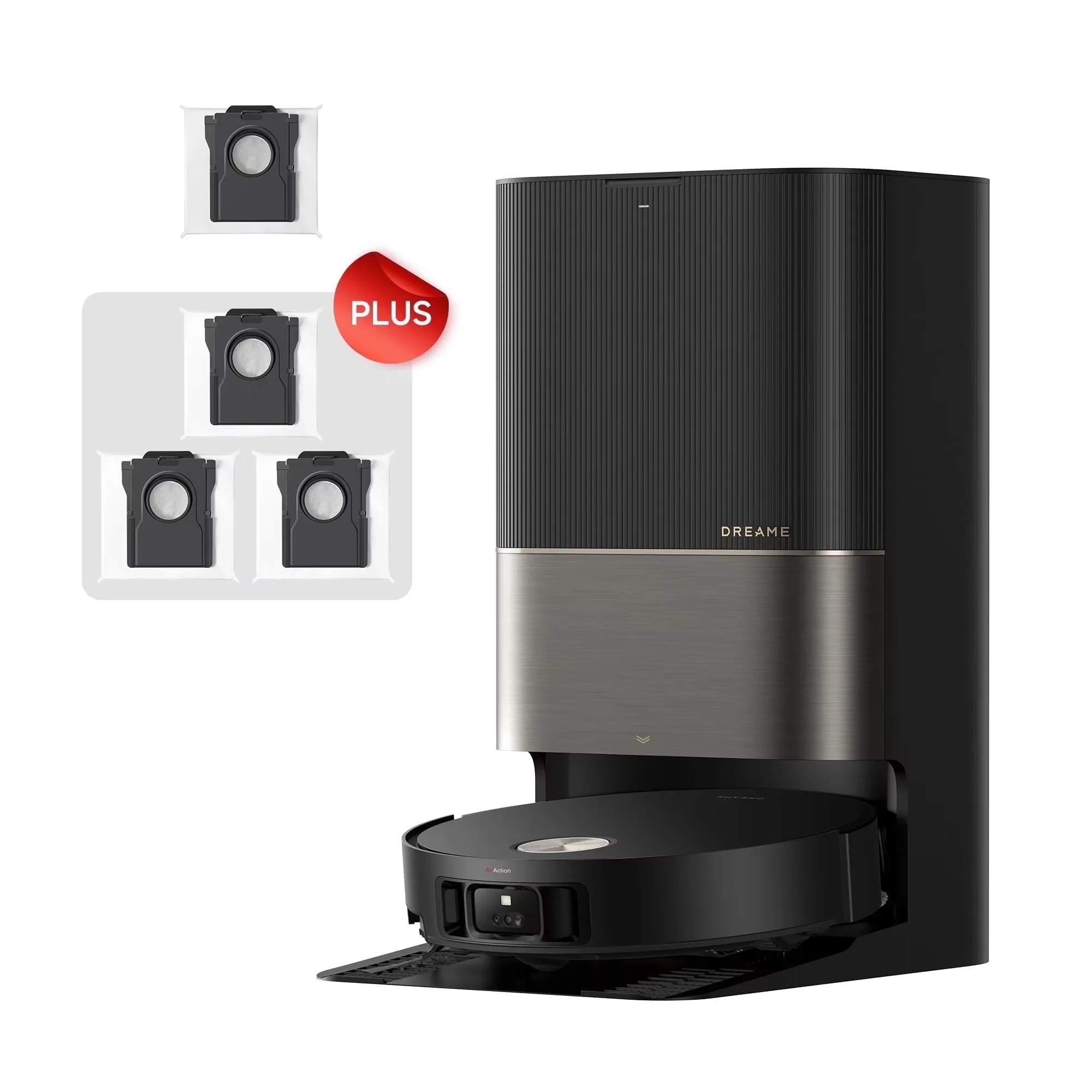
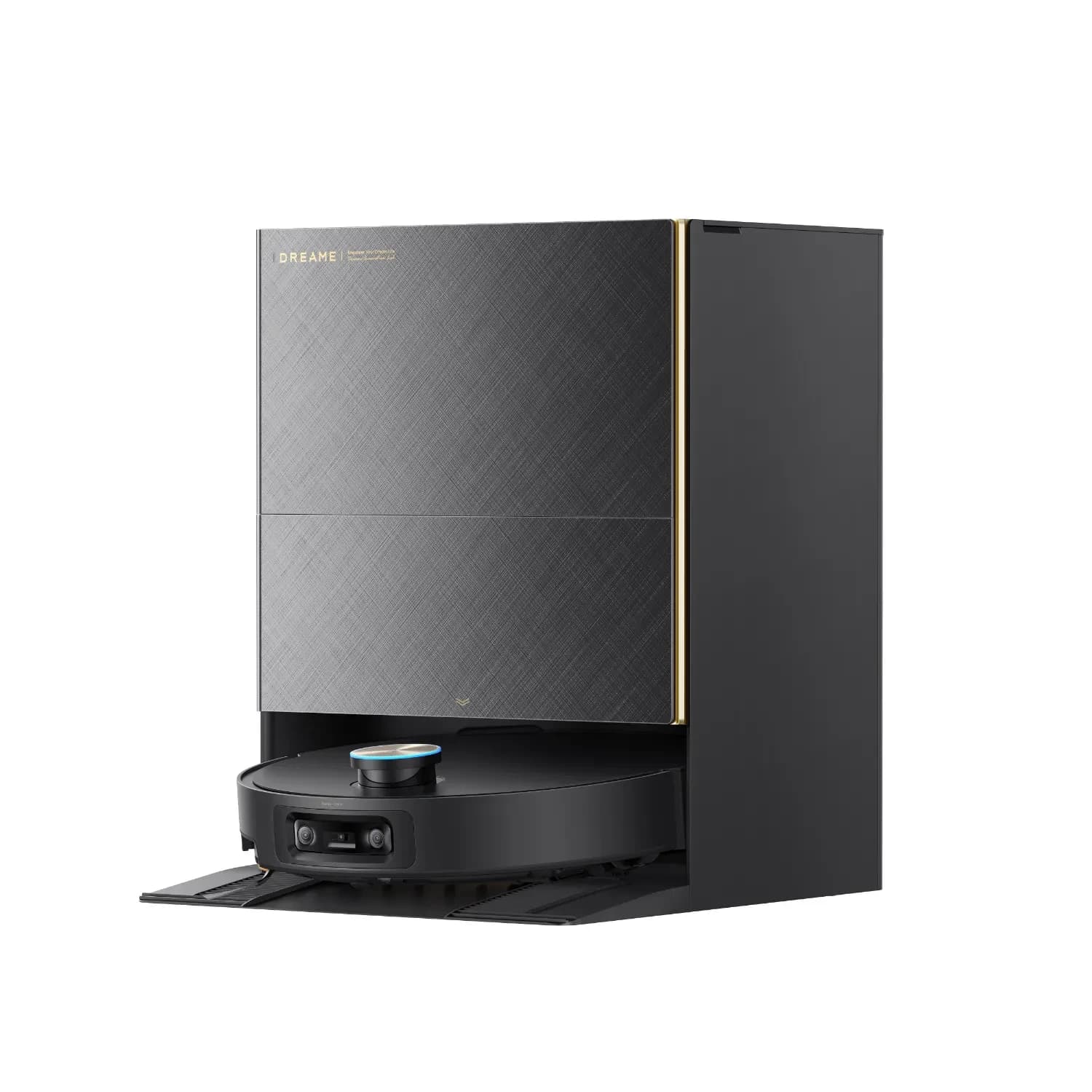
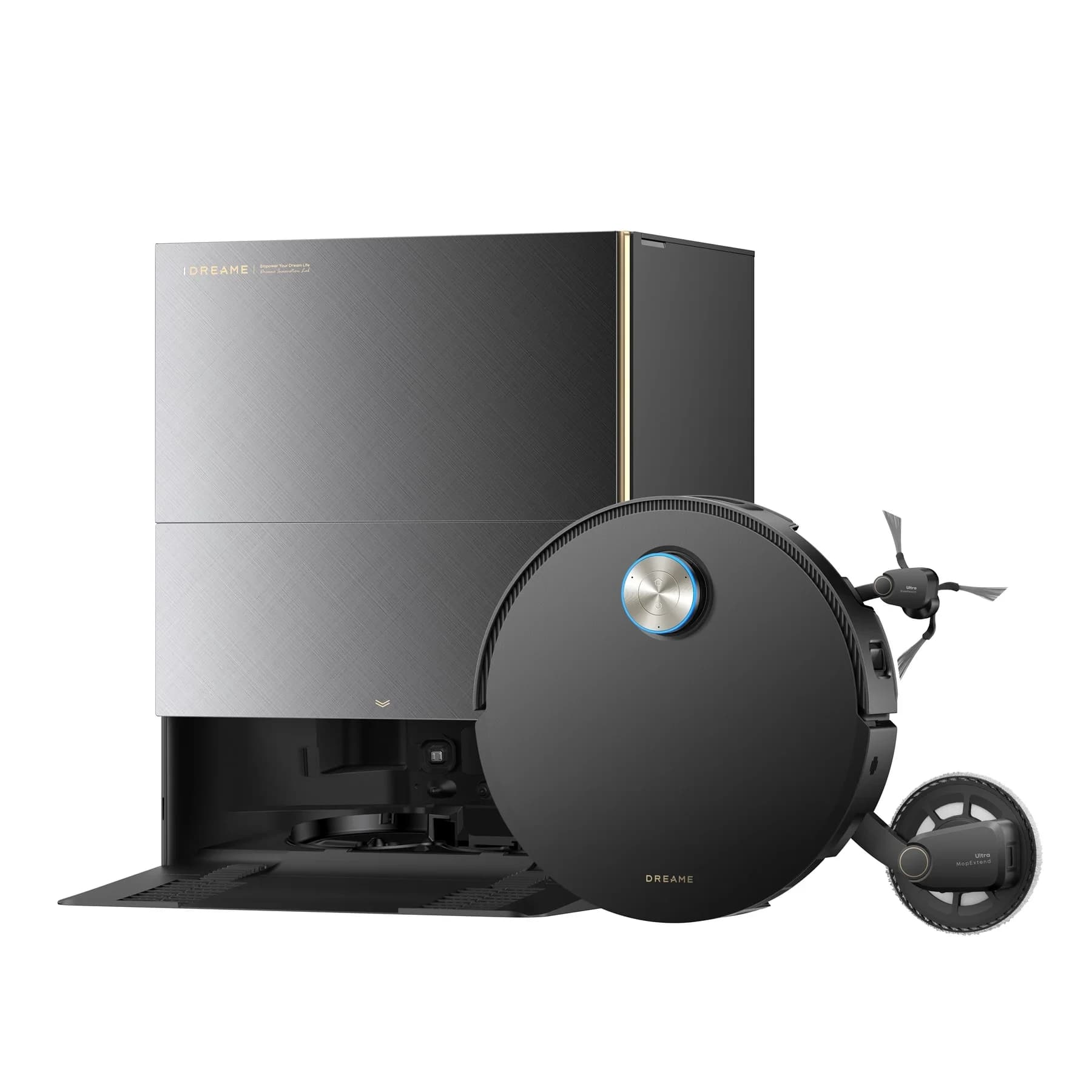
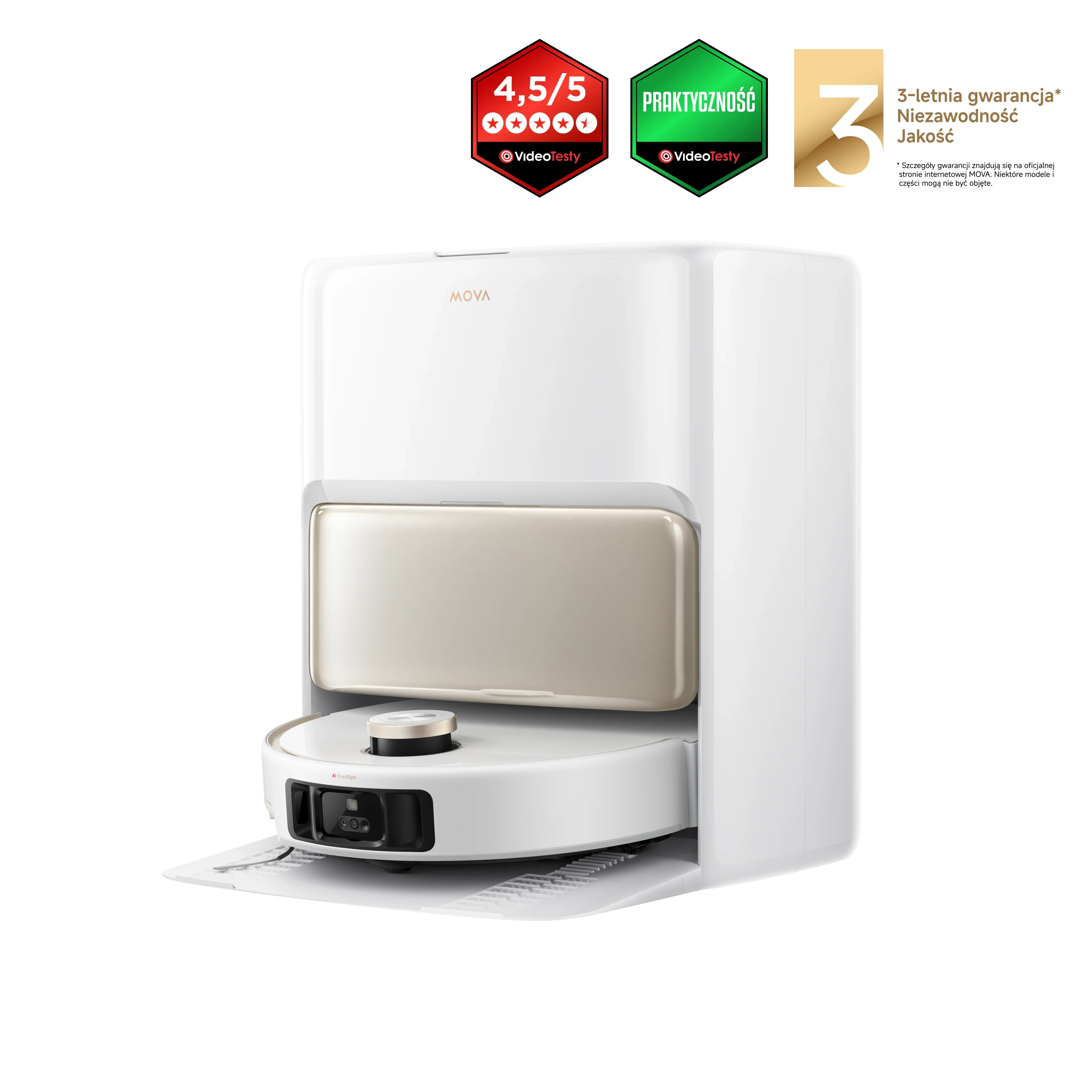
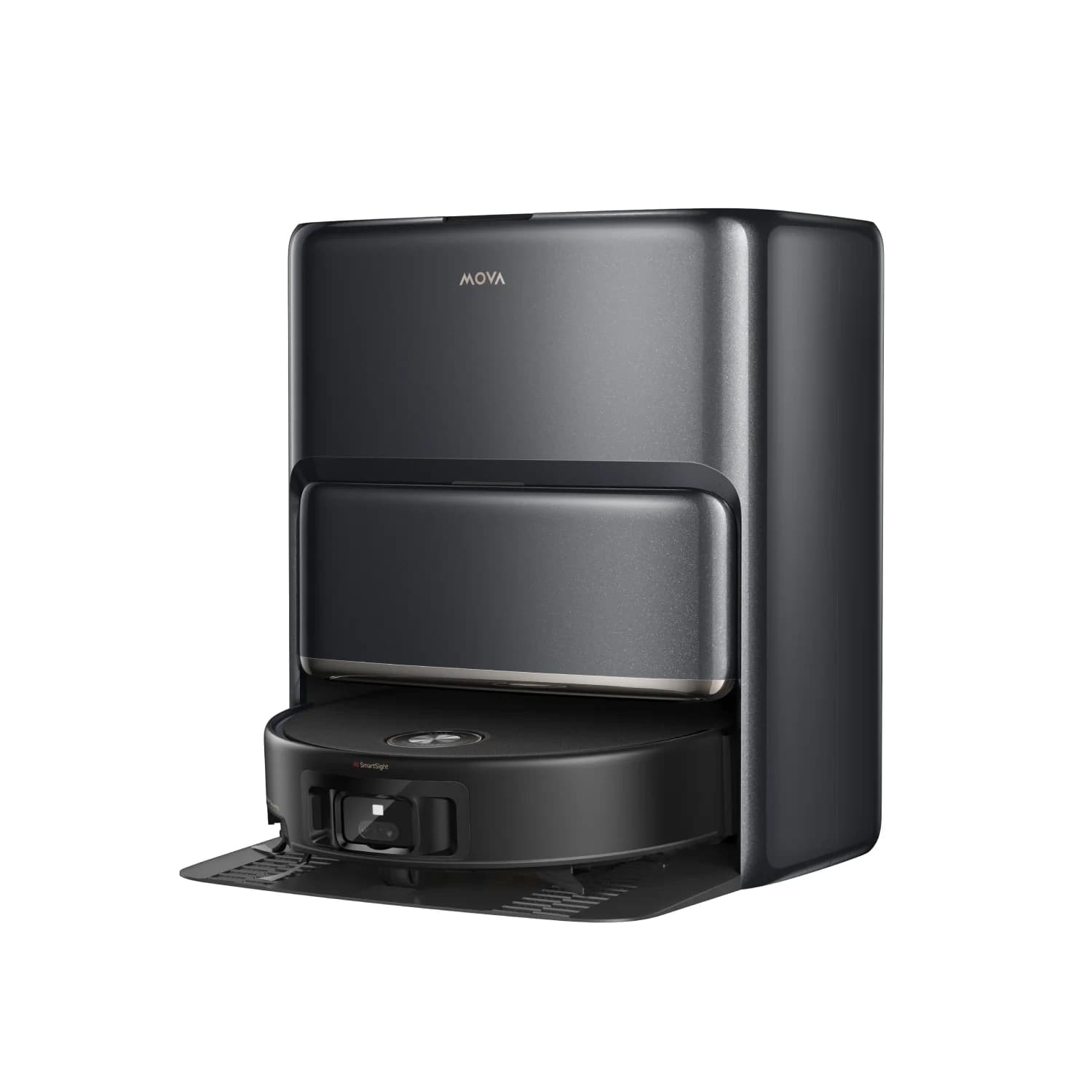
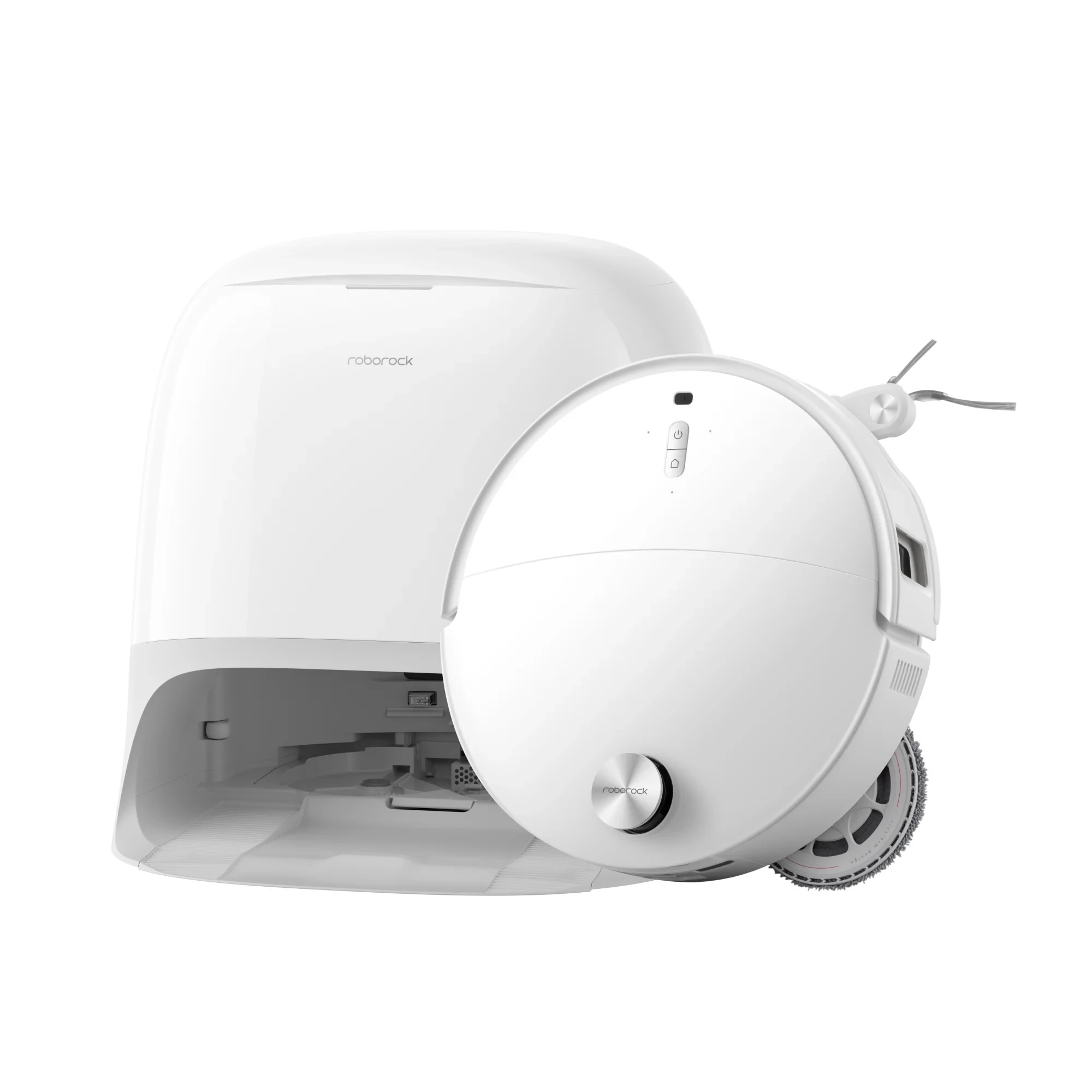
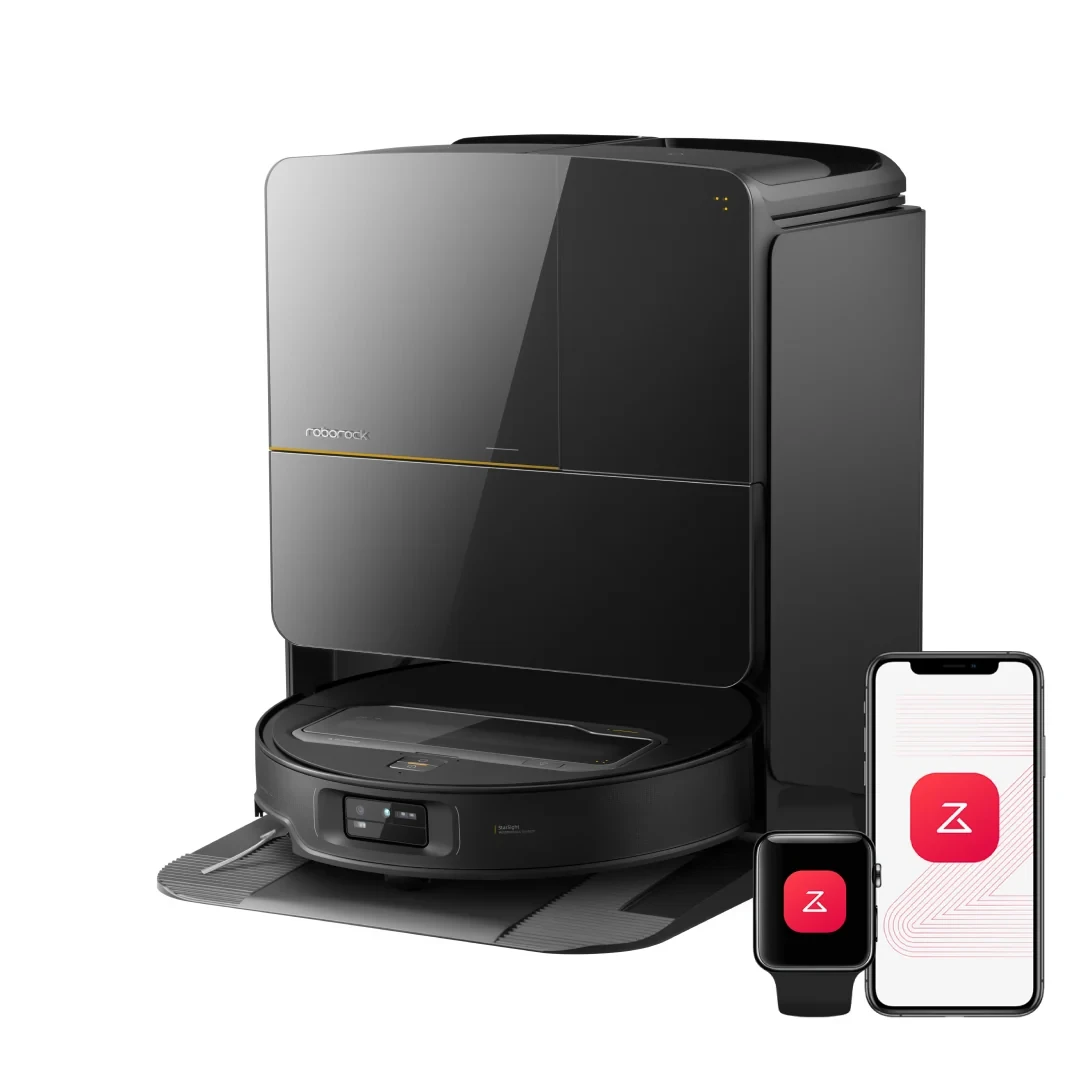
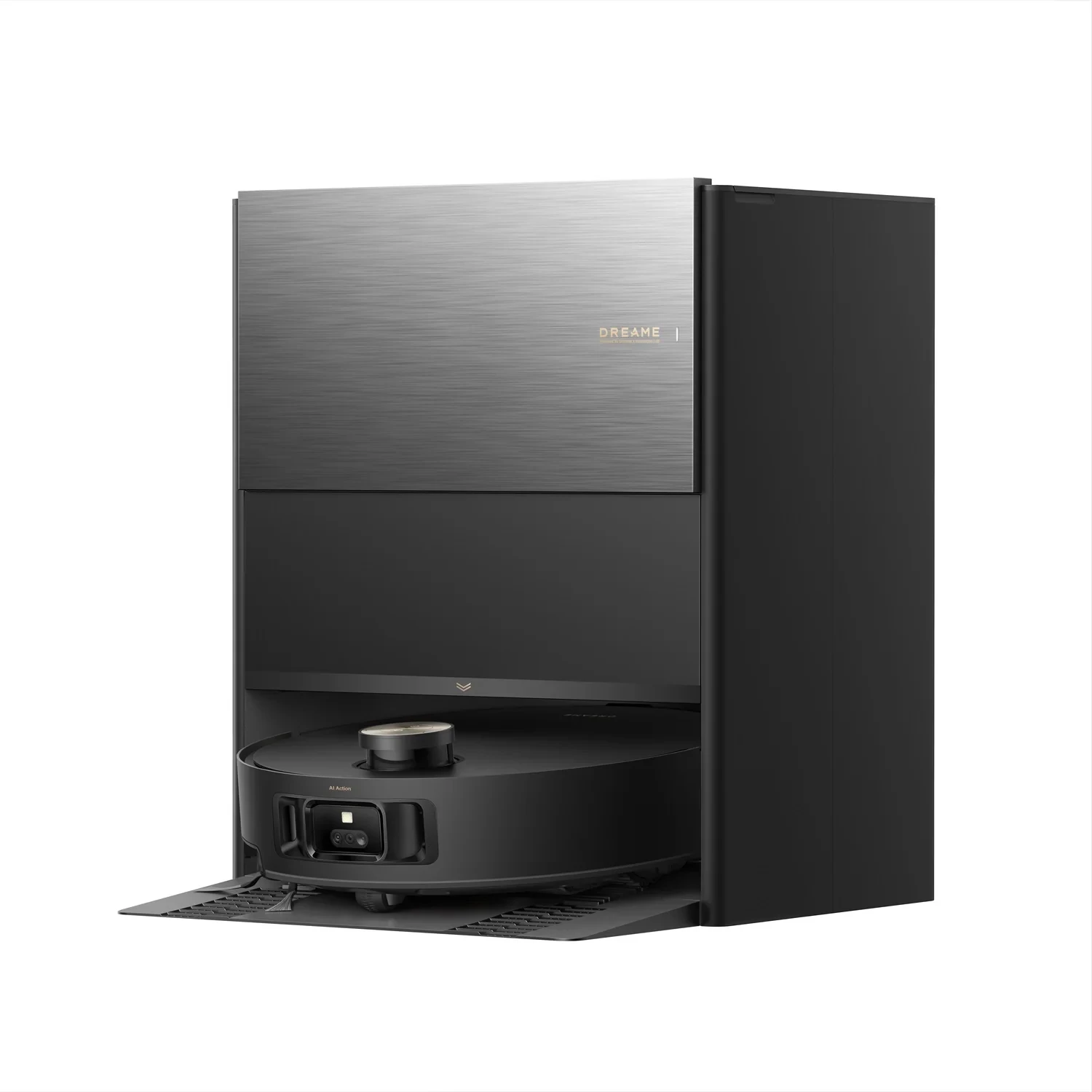
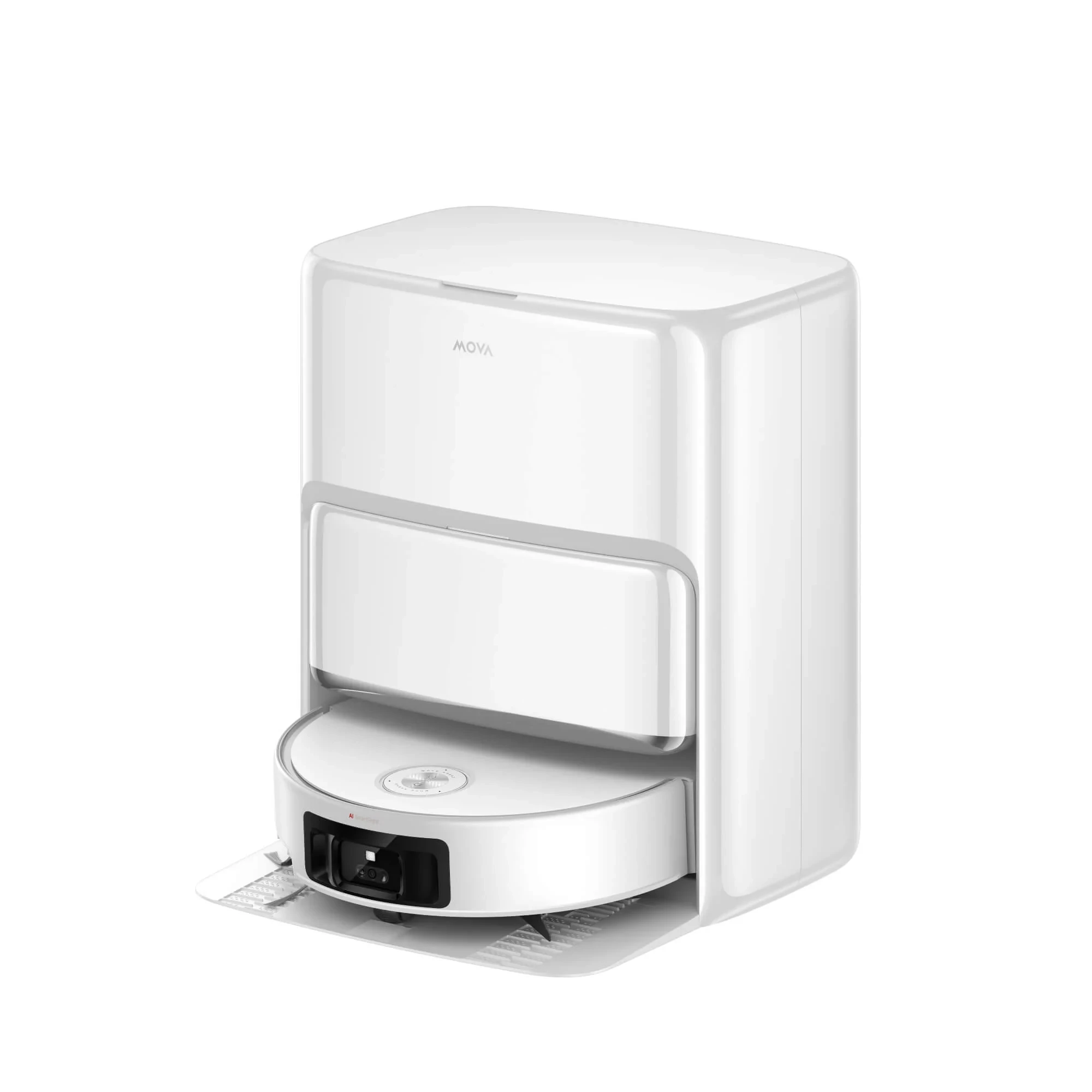
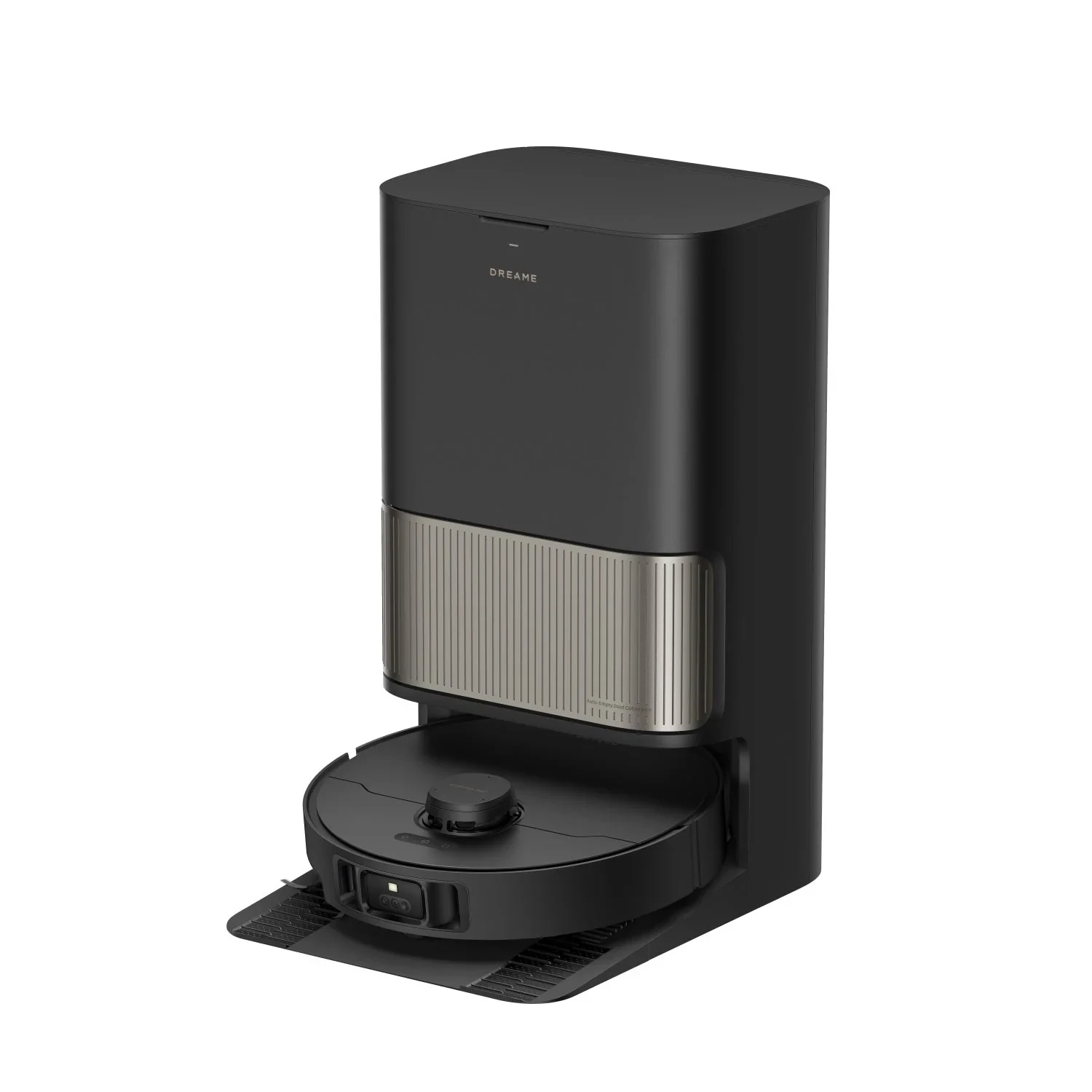
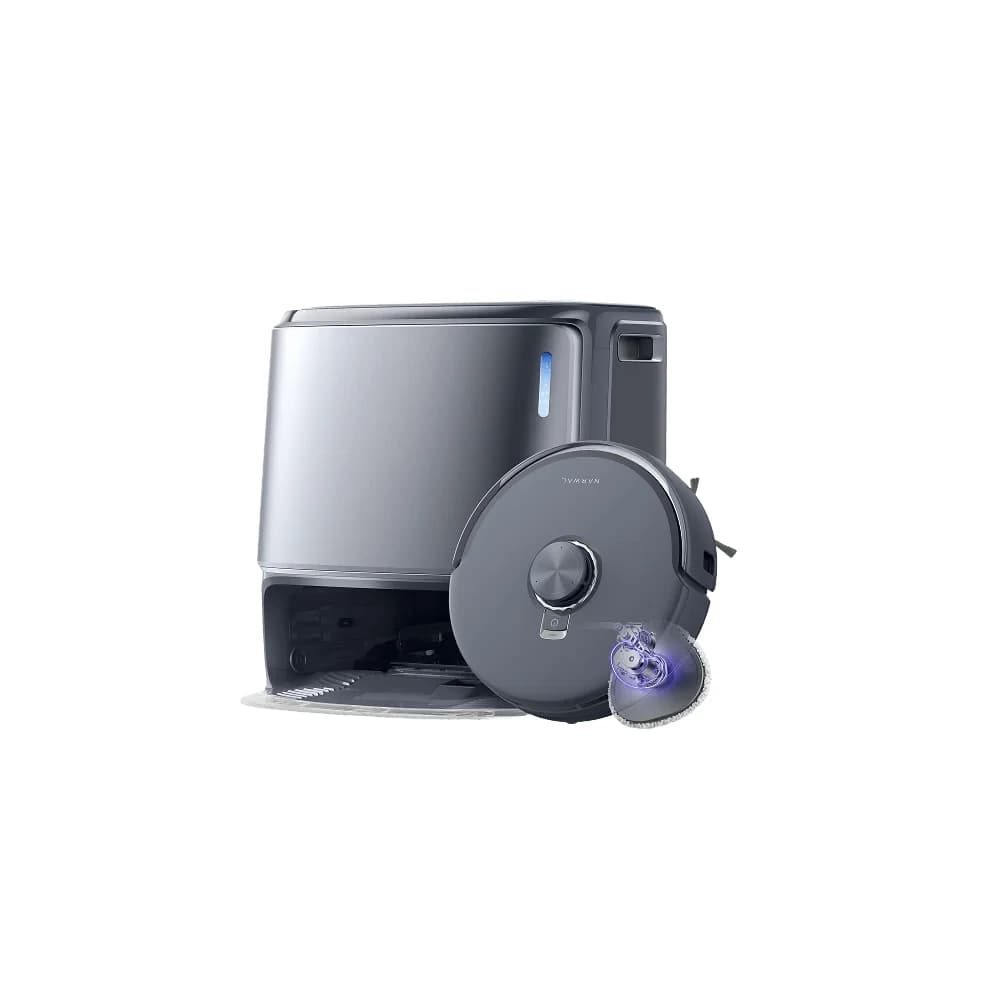
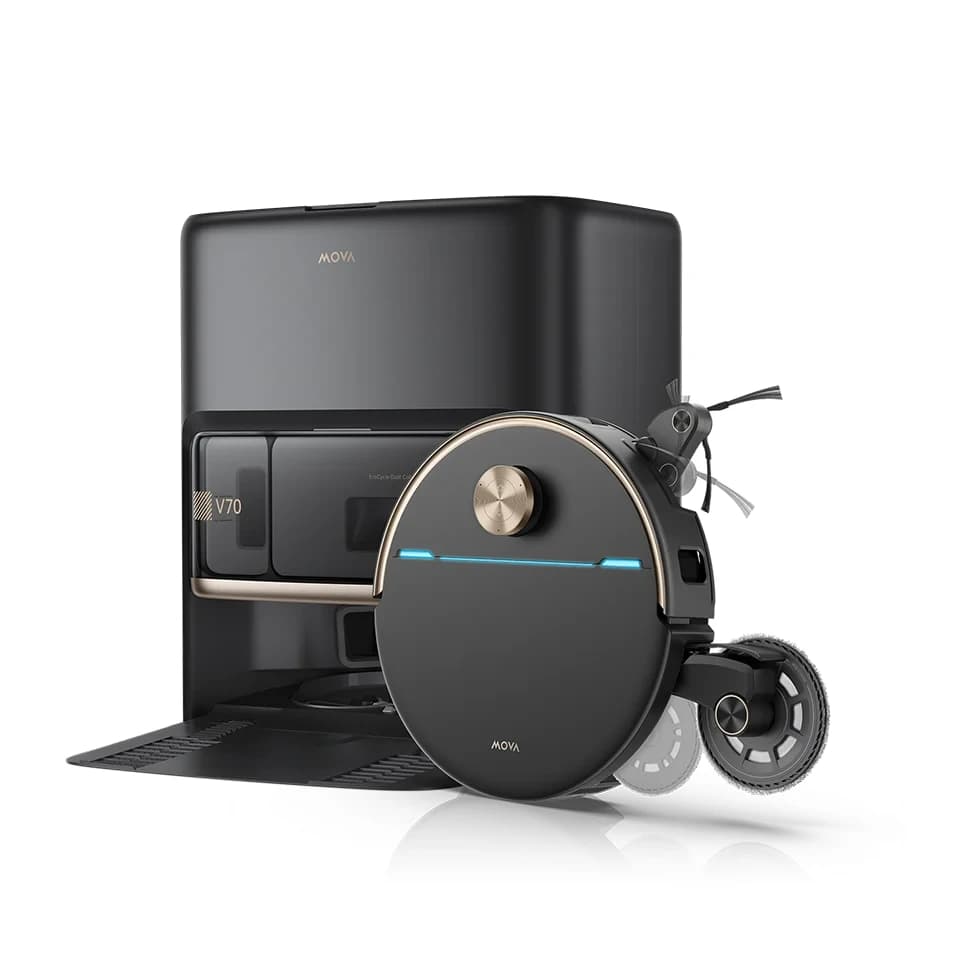
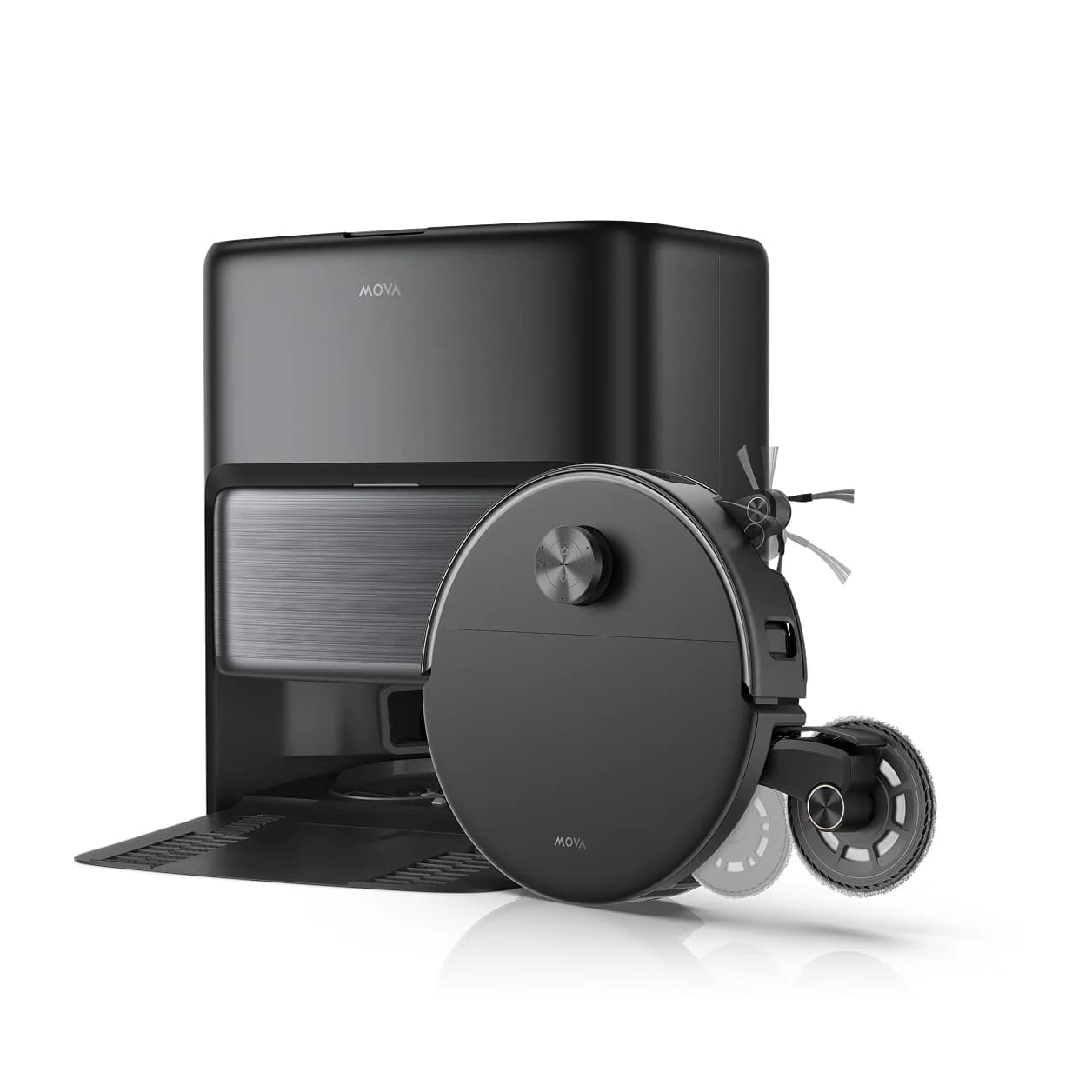
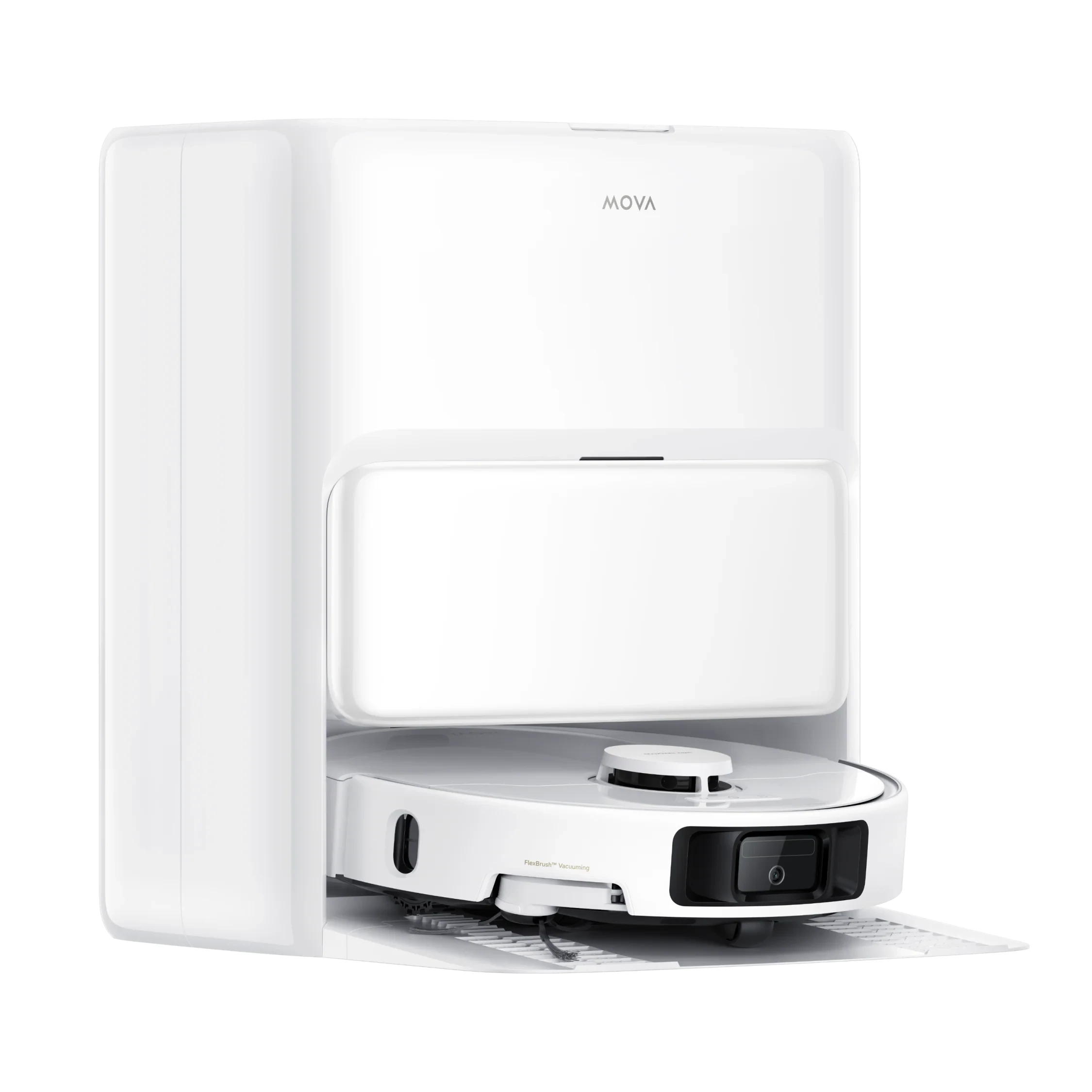
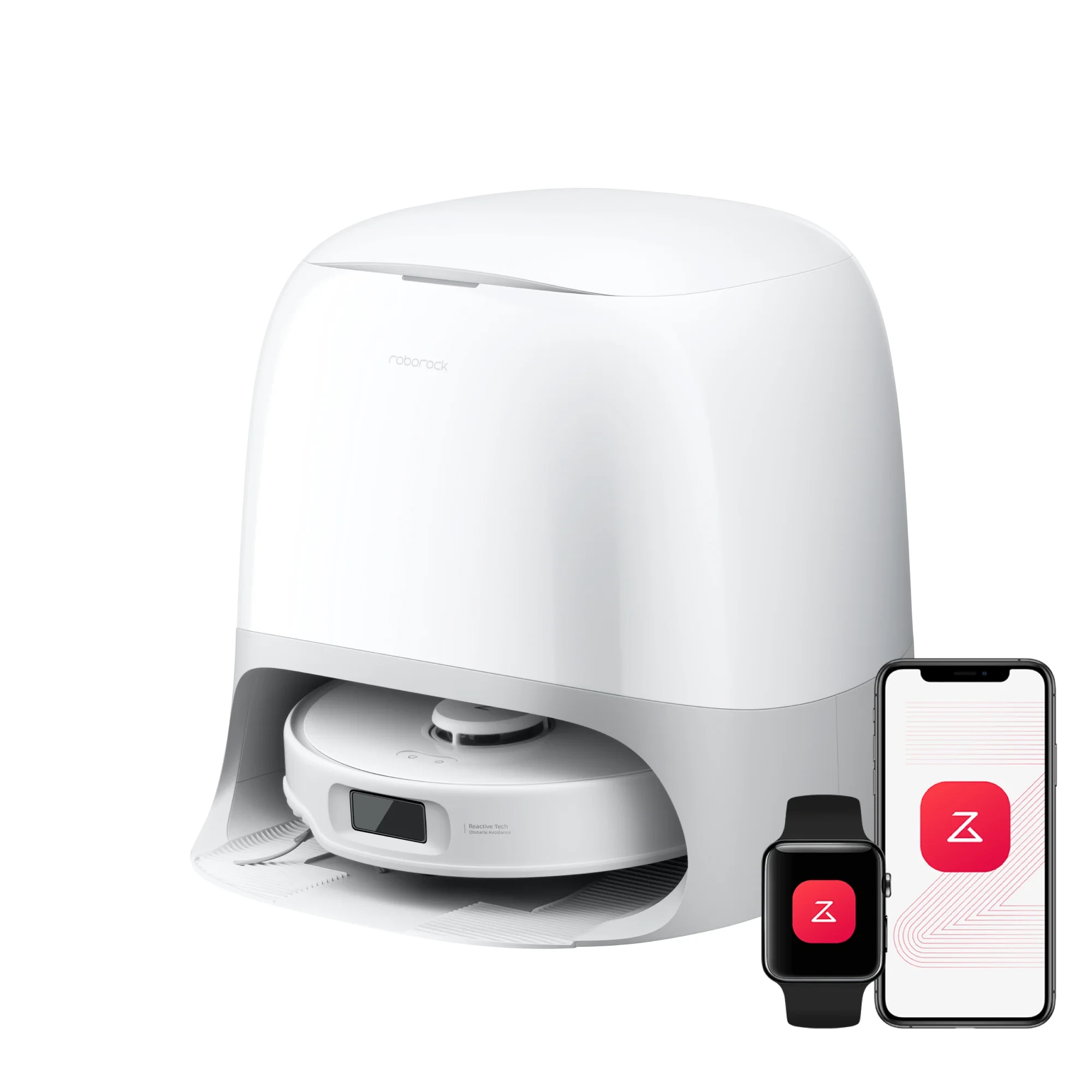
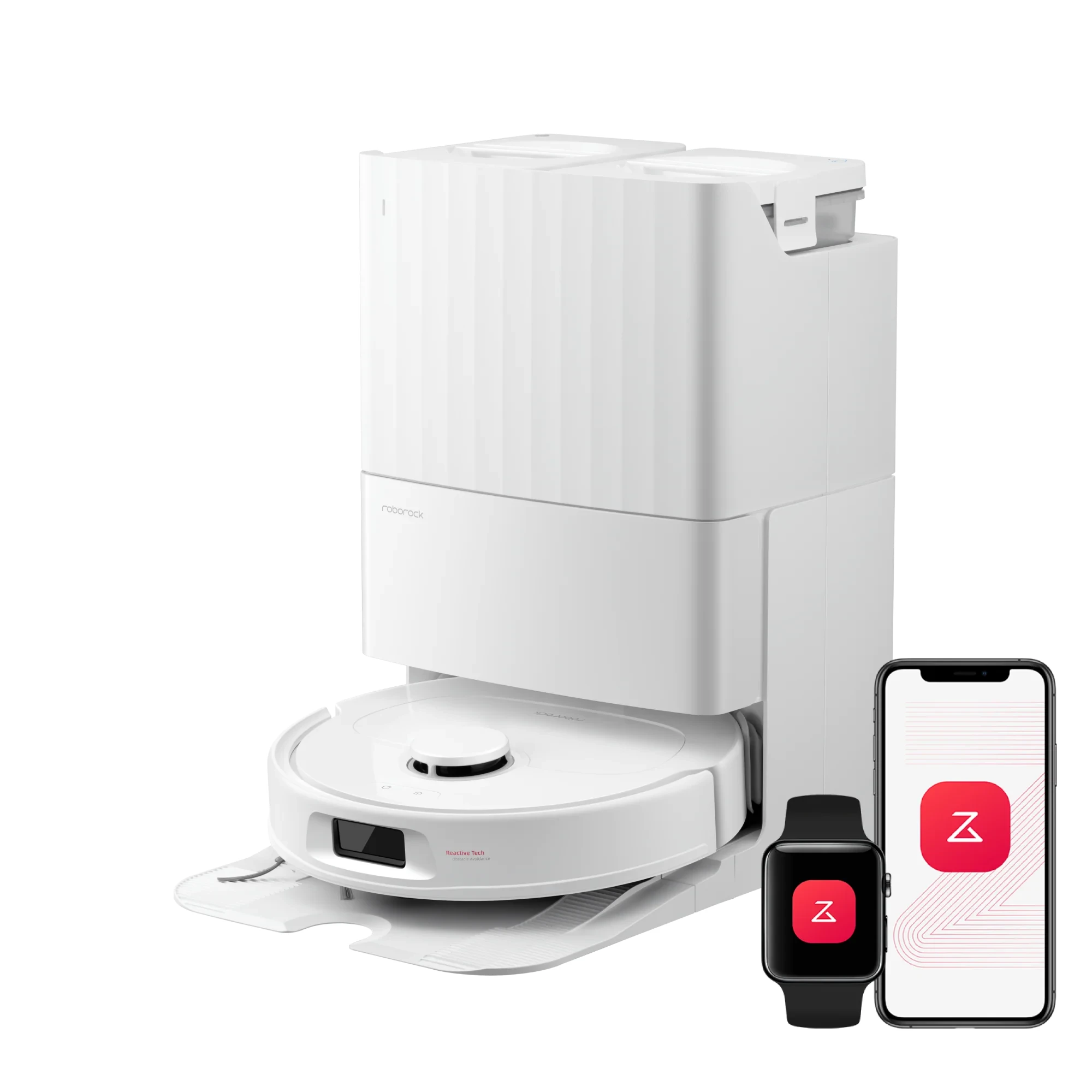
The makers describe five ways a robot vacuum notices what lies in front of it. A camera with a depth sensor names the object and measures where it lies; the depth sensor brings its own light, so the robot still sees the shape with the lamps off. Two cameras judge distance the way a pair of eyes does, so an object the software has never been taught still gets a measured berth. A single camera recognises what it has been taught, a cable, a sock, a shoe, and needs light to do it. Structured light without a camera projects an infrared pattern onto the floor and reads that something a few centimetres high is there, without knowing what it is. Infrared on its own, or no sensor at all, means the robot finds things by bumping into them; those machines are not on this page. Every row below names the sensor according to the maker, and no maker publishes how often it misses a cable.
Camera with a depth sensor
The camera says what the object is and the depth sensor, a 3D structured-light or time-of-flight unit, says exactly where it lies. This is the group for a home with cables on the floor, a pet, or a robot that runs at night.
Single camera
One lens and a recognition model: the robot names a cable, a sock or a shoe and picks a margin for each, and it needs light to do so, which is why some makers add a small lamp. Enough for a lit home where the usual things end up on the floor.
Structured light without a camera
An infrared pattern is projected onto the floor ahead and a sensor reads how objects bend it, so the robot steers round anything a few centimetres high without knowing what it is: a doorstop and a sock get the same berth. These machines are outside the list above, because the page is about recognition and this sensor does not recognise; they are here because the group is the right choice for a home where the floor is cleared before the robot starts and no lens is wanted in the room. The ranking of robot vacuums without a camera orders them together with the bumper-only machines, on cleaning, the map and the dock.