Robot vacuums with no camera named by the maker, for navigation or for obstacles, ranked on cleaning, the map and the dock, with the sensor on each row.
Every machine on this list has no camera named by the maker, for navigation or for obstacles, and none claims pet recognition, which is a camera by another name. What a lens-free machine gives up is recognition: it cannot tell pet waste from a doorstop, so it keeps the same margin from both, and a thin cable or a sock lying flat gets under the brush more often. What it keeps is the map, since LiDAR is a laser and not a lens, and the full dock with self-emptying and mop washing, which never needed a camera. For a home where the floor is cleared before the robot starts, or where a lens in the living room is not acceptable at any price, this is the list; each row names the obstacle sensor.
10 / 114 models evaluated · Updated
Edited by Maciej Ziółko, founder and editor. Method: specification analysis of the makers' published figures, explained on our scoring and editorial policy pages.
The American Aqua10 Roller: 30,000 Pa, a fresh-water roller mop that extends 4 cm, lifts 14 mm and seals itself on carpet, 4 cm double thresholds, four maps, a 100 °C wash and 65 °C drying.
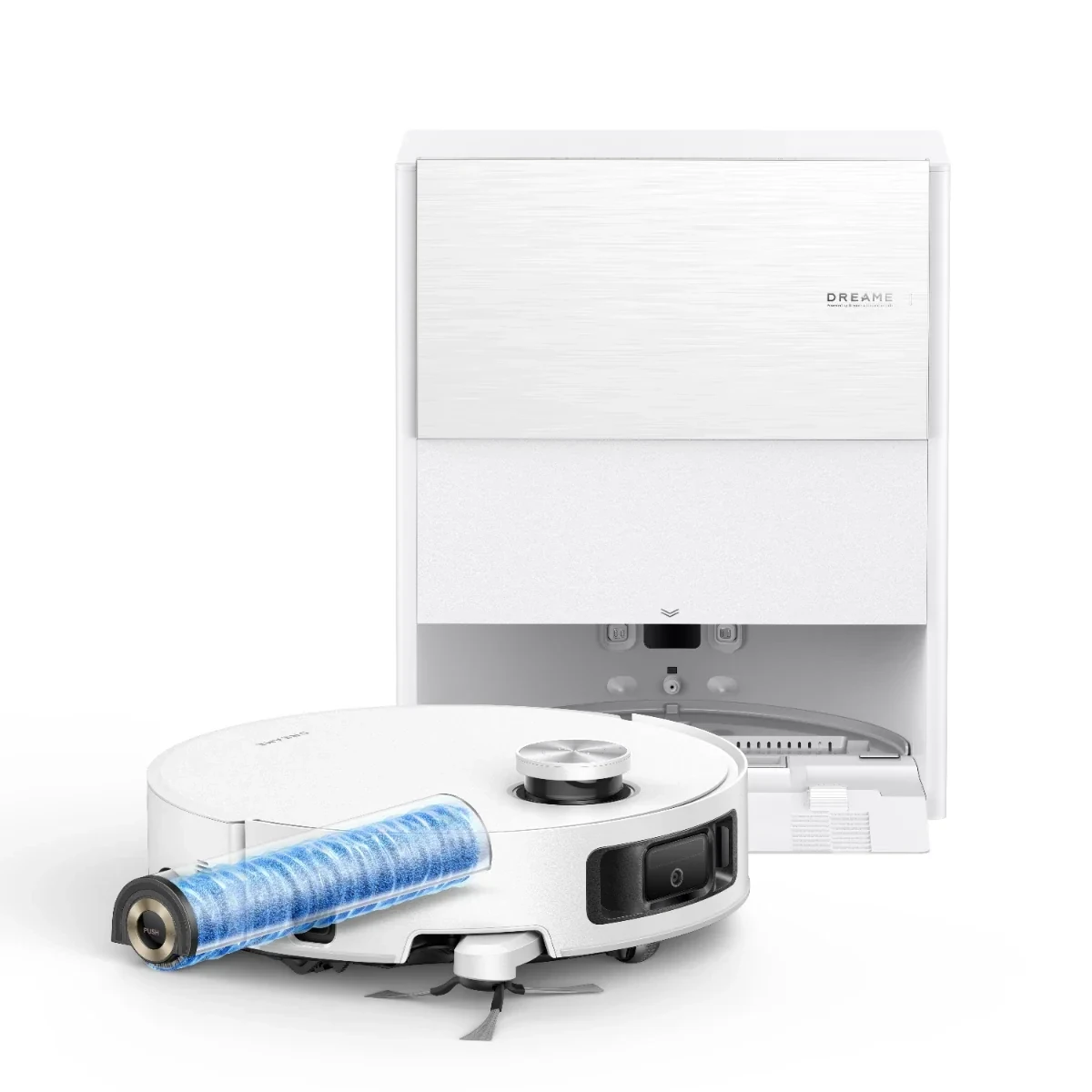
A full-dock Dreame with no camera: 19,000 Pa, a line laser for obstacles, EasyLeap wheels for 22 mm sills, pads that lift 10.5 mm and detach, a 75 °C wash, four maps and 220 minutes a charge.
An entry-level robot whose dock washes, dries, refills and empties: 19,000 Pa, anti-tangle brushes, a pad that swings 4 cm, structured light against obstacles, a 75 °C wash and 75 days of dust.
The second L40 Ultra: 25,000 Pa, a TriCut hair-cutting brush, mops that extend 4 cm and lift 10.5 mm, LiDAR, four maps, and a dock that empties, washes, hot-air dries and doses detergent.
Highest on this list · Dust bag interval: 120 days
81/100
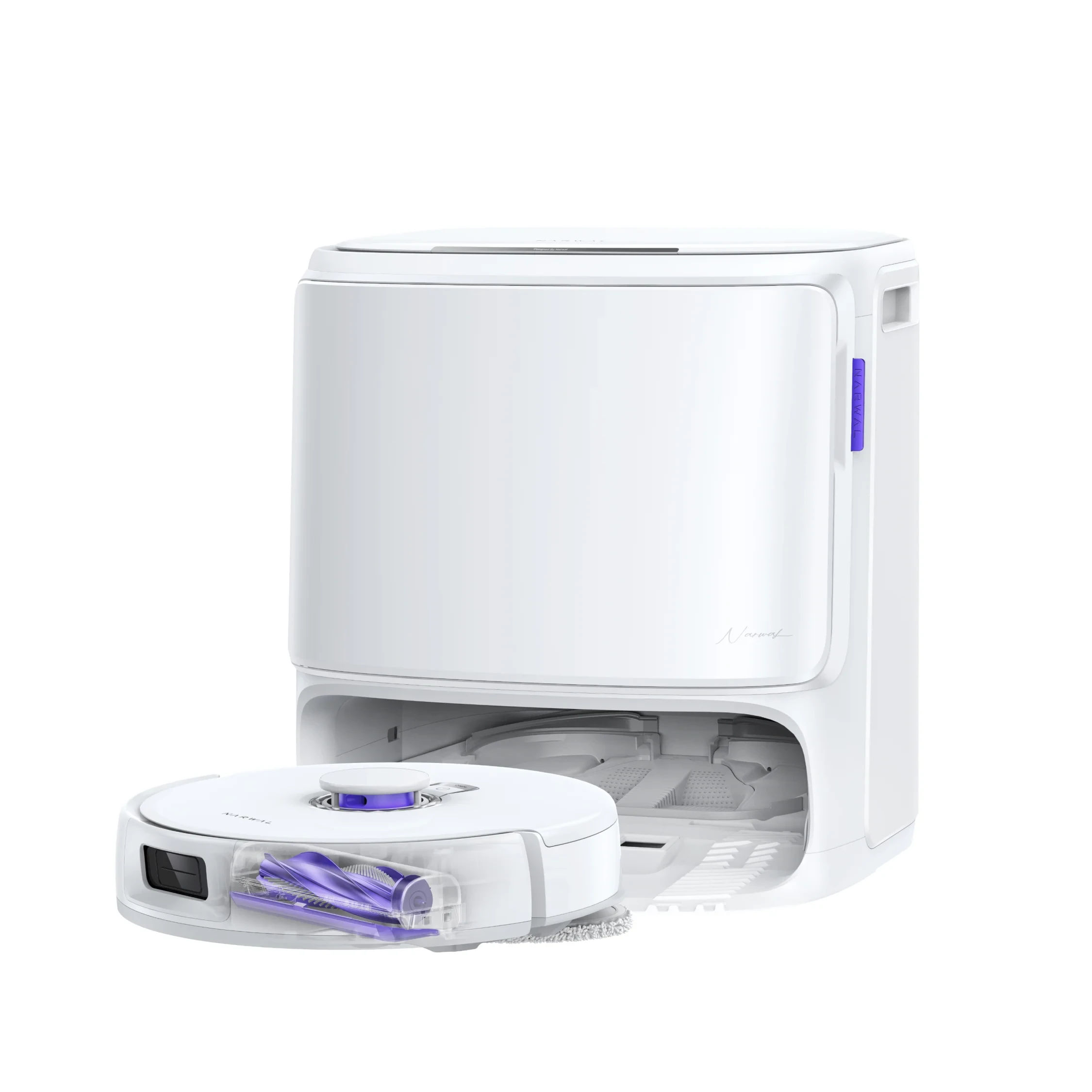
A Narwal below the flagships: 18,500 Pa, Reuleaux mops at 12 N that swing to edges and lift 12 mm, LiDAR with two structured-light sensors, and a dock that washes, dries and doses detergent.
The D30 Ultra CE: 25,000 Pa, twin spinning mops that lift 10.5 mm, LiDAR, four maps, 2 cm thresholds, and a PowerDock 2.0 washing on 20 nozzles, air-drying and emptying for 100 days.
Dreame's full-dock L40: 13,000 Pa, a hair-cutting TriCut brush, twin spinning mops that lift for carpet, LiDAR, and a dock that empties, washes, air-dries and refills.
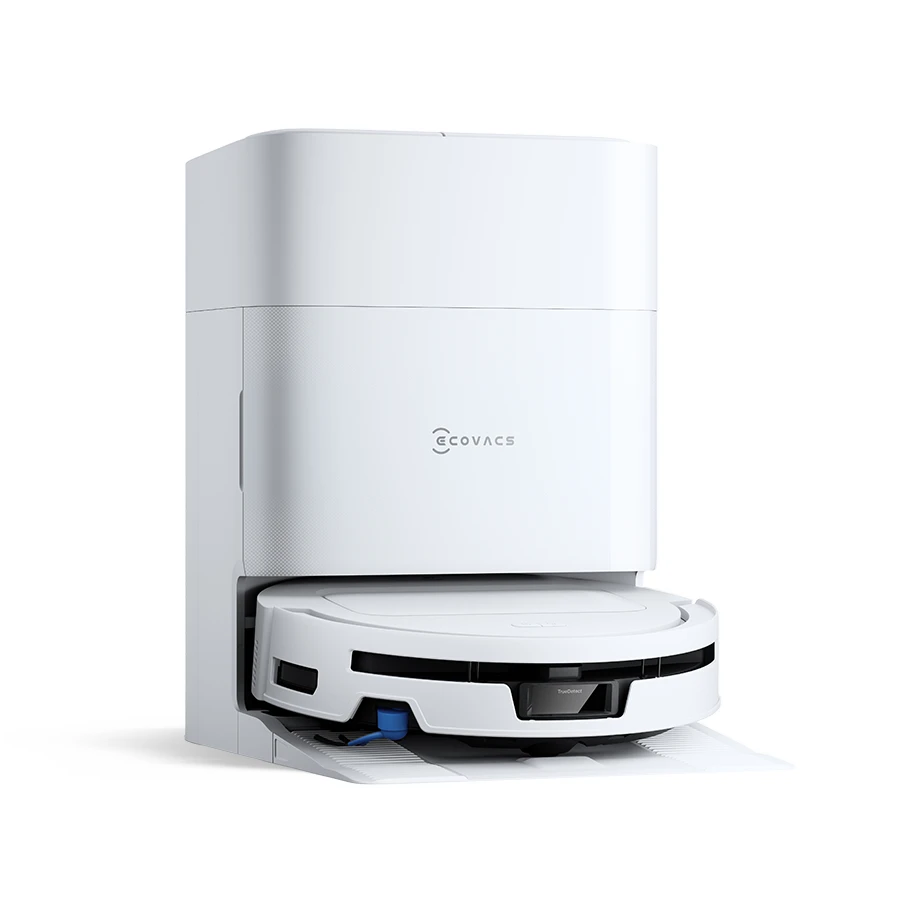
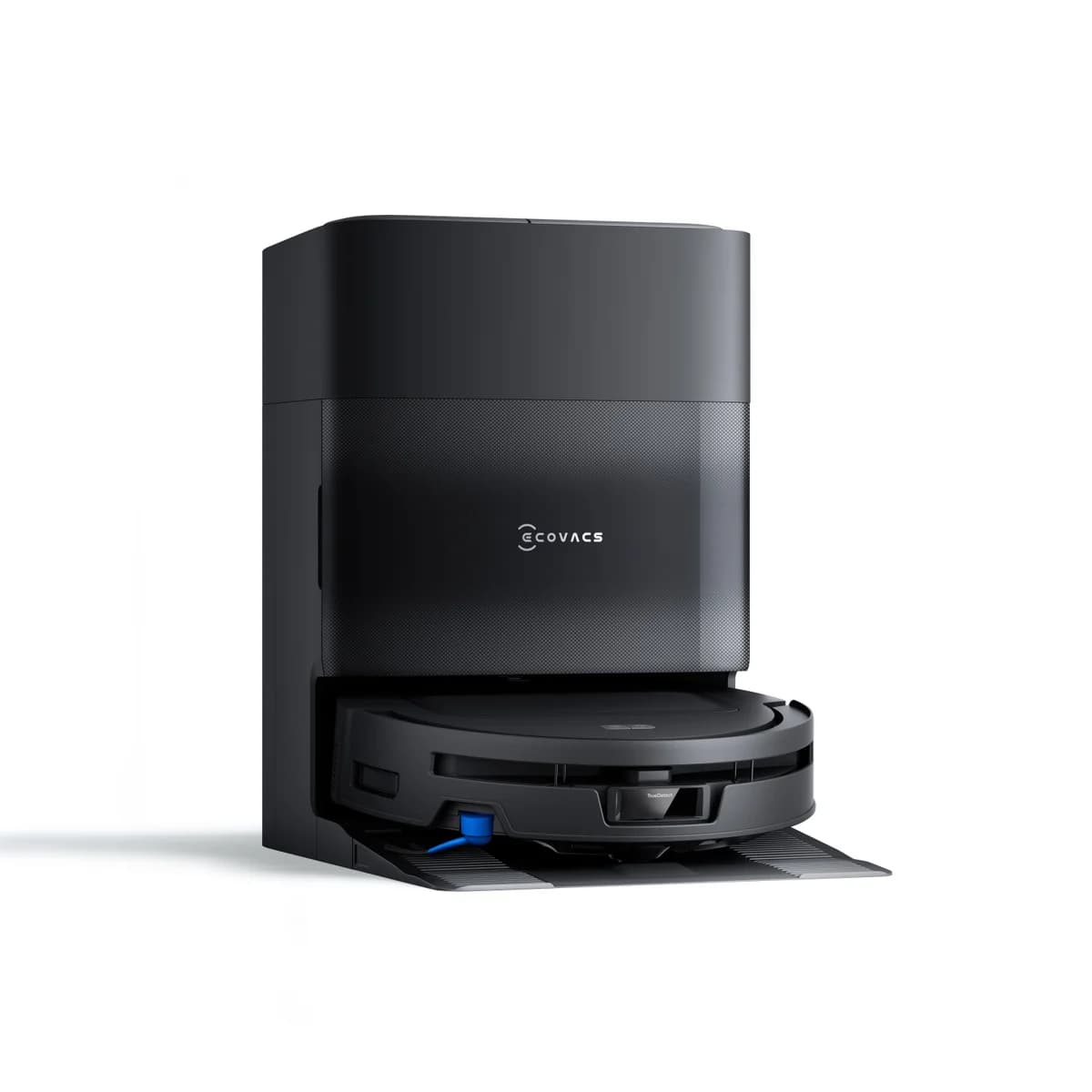
The camera-free T90 MAX PRO OMNI body at 30,000 Pa: a 27 cm roller at 3,800 Pa that extends 1.5 cm and lifts on carpet, dToF LiDAR, 45 °C drying and a 2.5 l bag, but no warm-water wash.
An entry-level full-dock robot: 19,000 Pa with a carpet boost, LiDAR with a single laser, a pad that extends 4 cm and lifts 10.5 mm, 260 minutes a charge, washing, drying, refill and 75 days of dust.
Ecovacs' 40,000 Pa roller flagship without a camera: a 27 cm roller at 3,800 Pa that extends 1.5 cm and lifts 15 mm, dToF LiDAR with structured light, a 100 °C wash and 231 minutes of vacuuming.
Robot vacuum obstacle avoidance from the makers' own figures: bumper, structured light, cameras and depth sensors, and which machines we list have which.