Robot vacuums with the brush geometry, suction and obstacle recognition to handle a house with animals in it, ranked on cleaning first.
Dog and cat hair is a brush problem before it is a suction problem: a bristle roller collects it into a bearing-seizing rope, and a rubber one does not. Only robot vacuums with camera recognition are listed, because a home with pets has more than fur on the floor, and the second thing a dog leaves there is the one you do not want a robot to find at speed. Weighted heaviest on cleaning and on obstacle recognition.
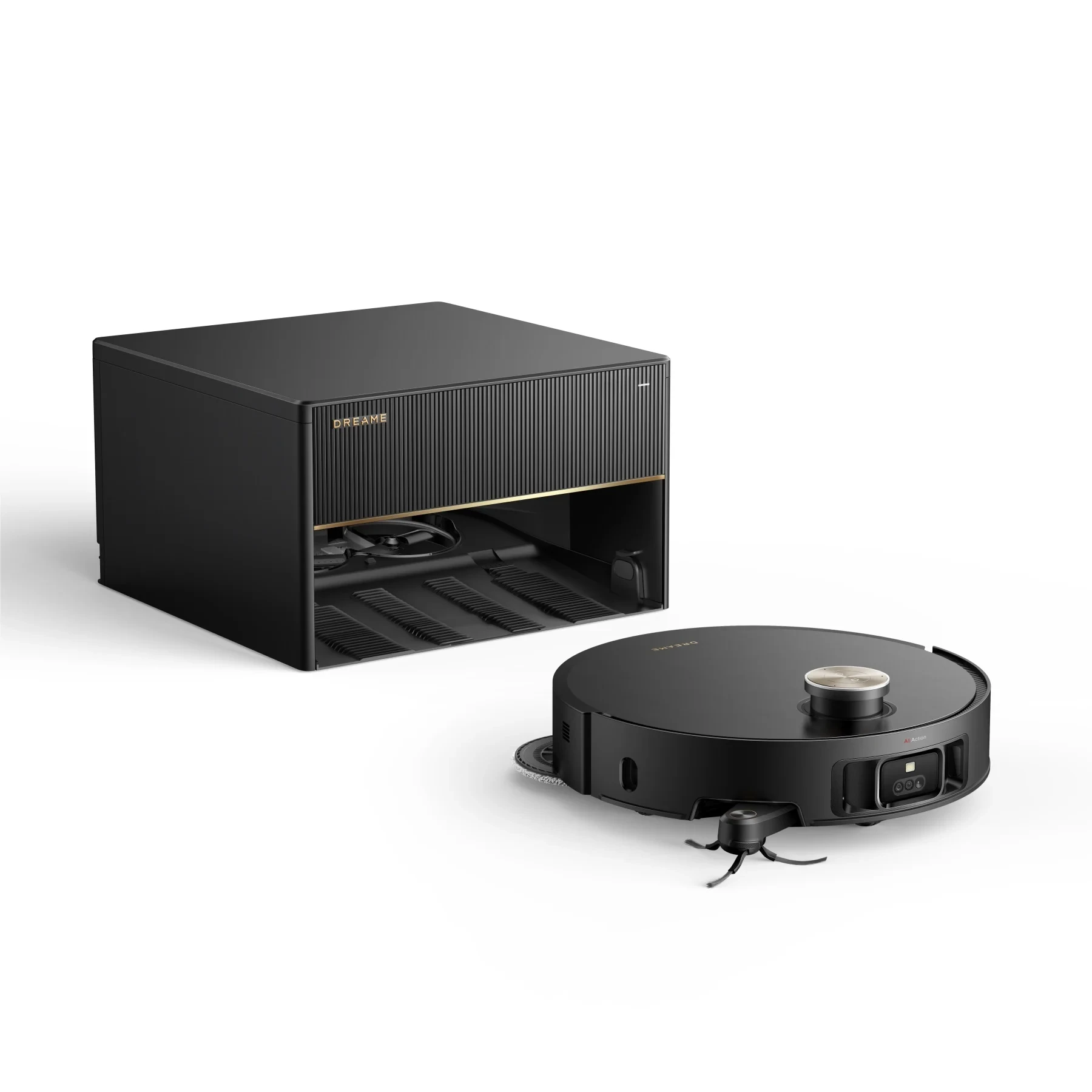
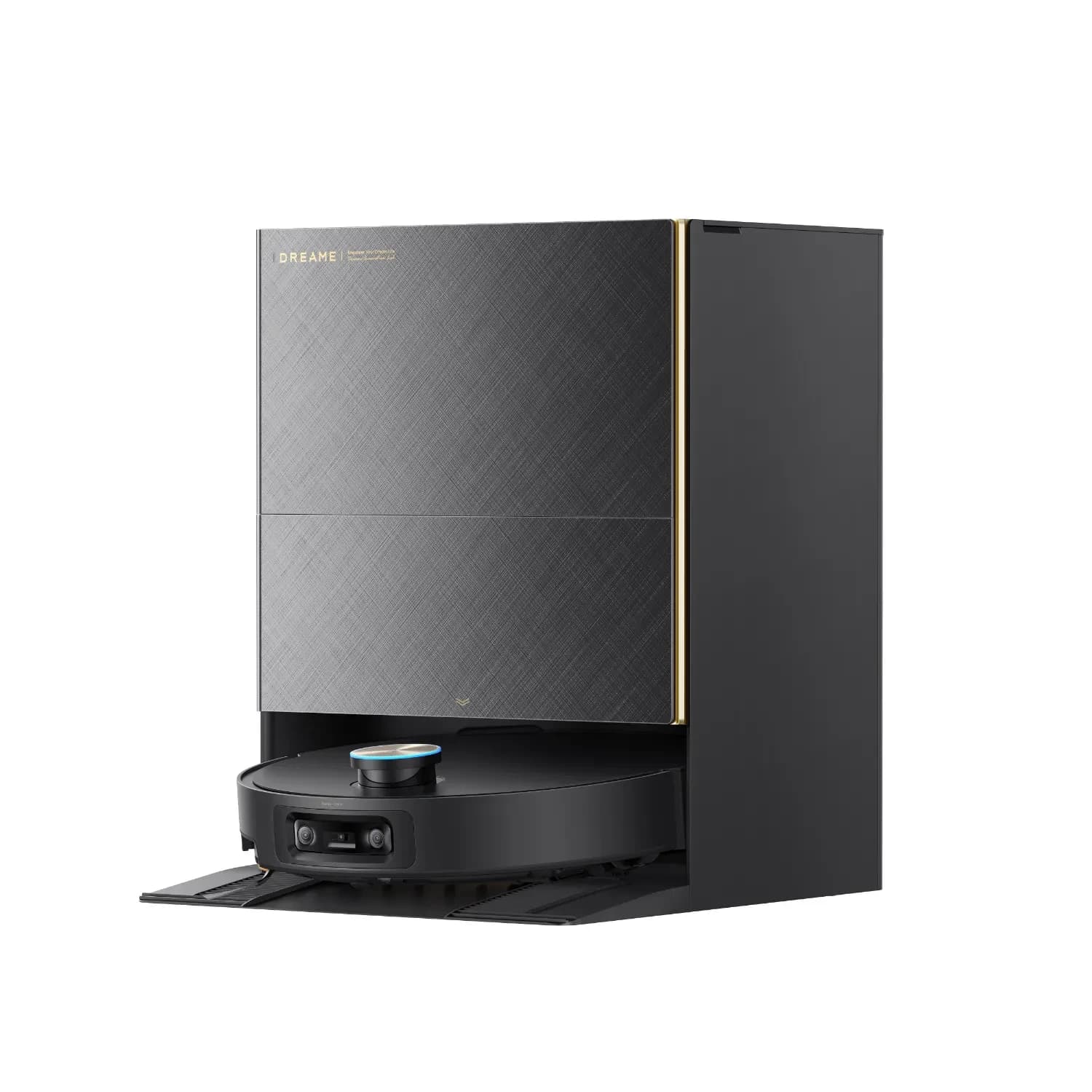
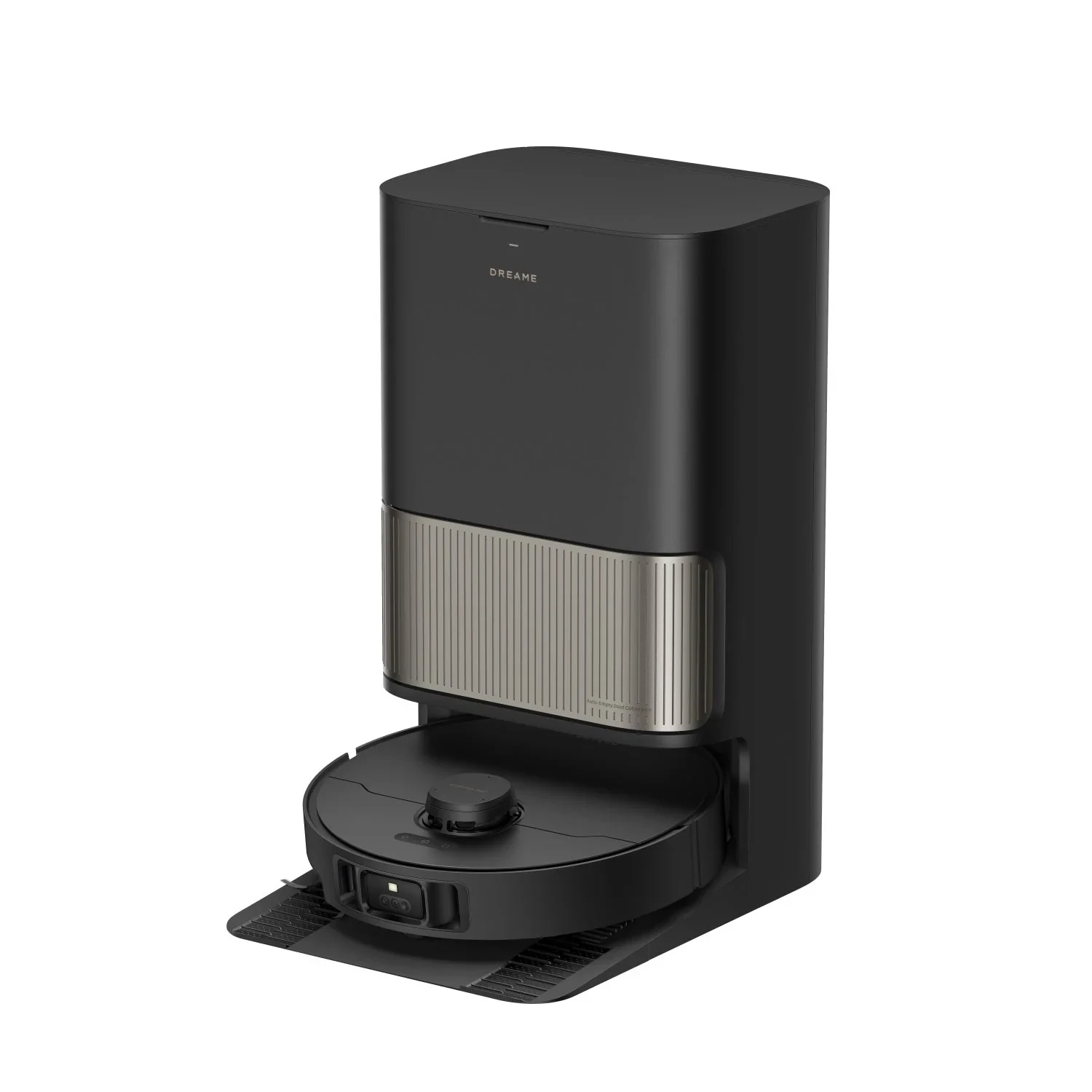
The X50 Ultra robot on a plumbed 249 mm dock: 20,000 Pa, legs for a 4.2 cm sill, a LiDAR that retracts to 89 mm, an 80 °C wash, 220 minutes a charge and a 3-year warranty.
Cleaning92
92 /100
Navigation94
94 /100
Mopping92
92 /100
Obstacle Avoidance100
100 /100
Retracting LiDAR20,000 PaSpinning mopSelf-emptyingAI cameraRecognises pet waste
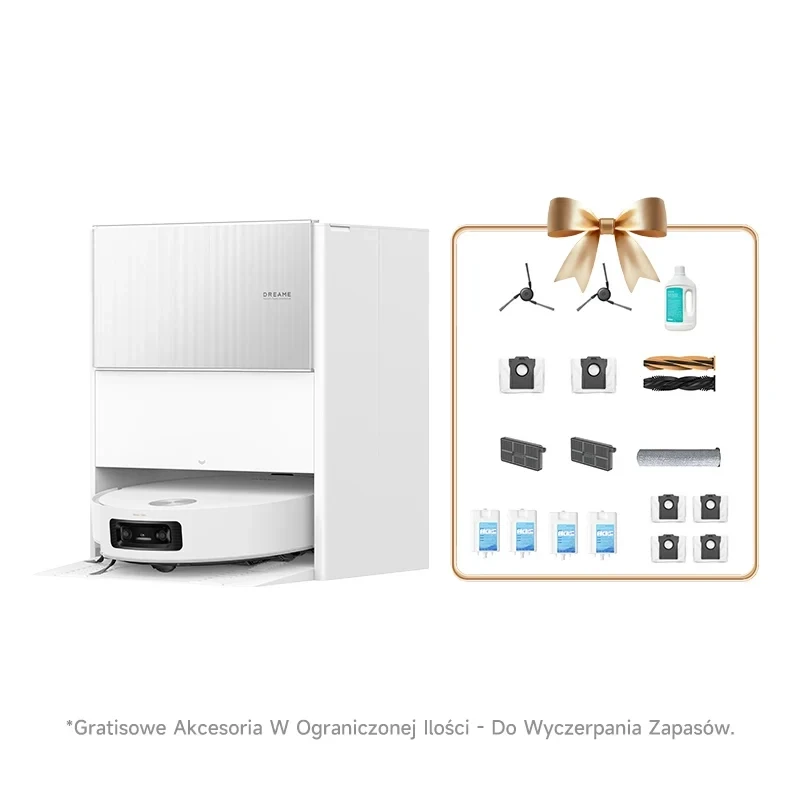
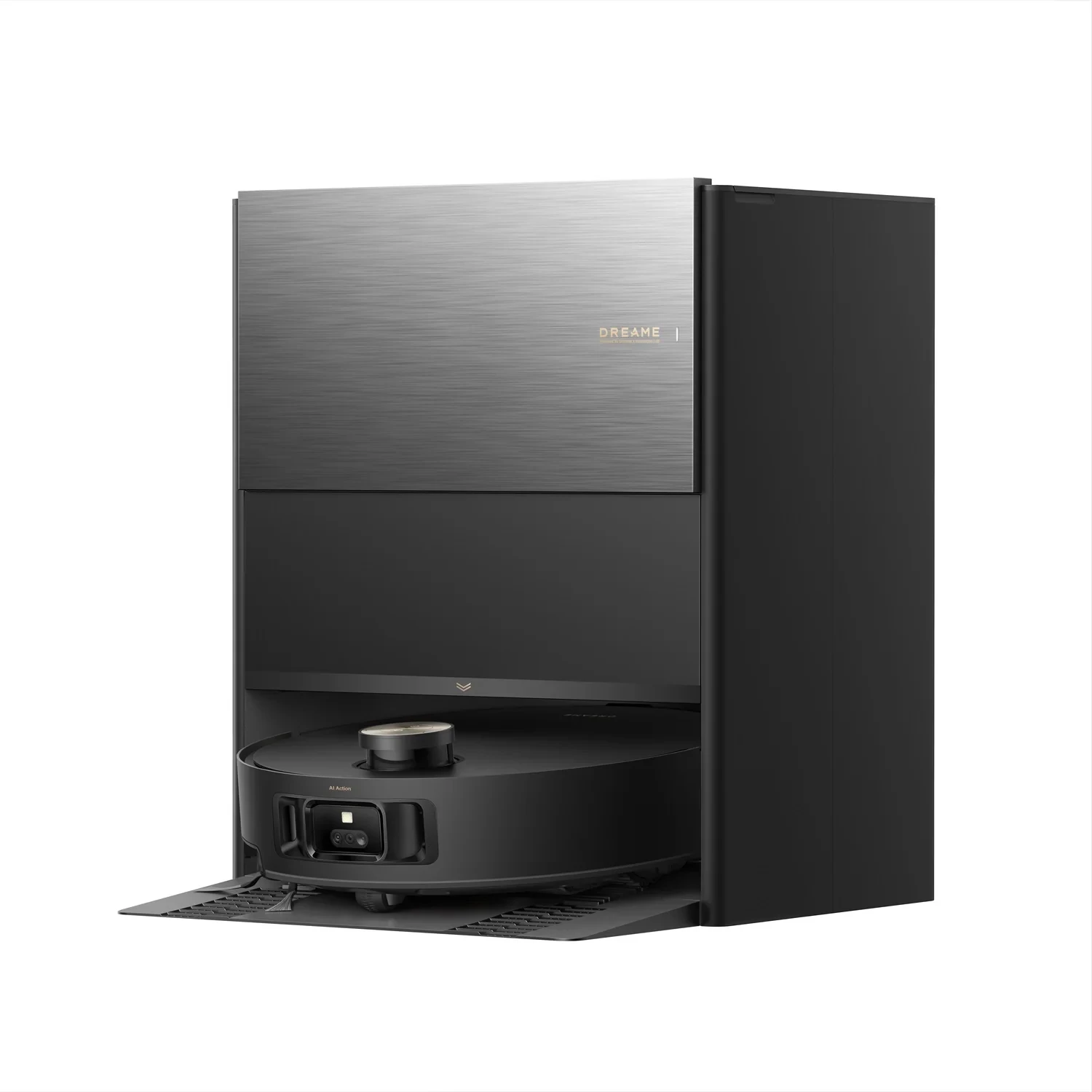
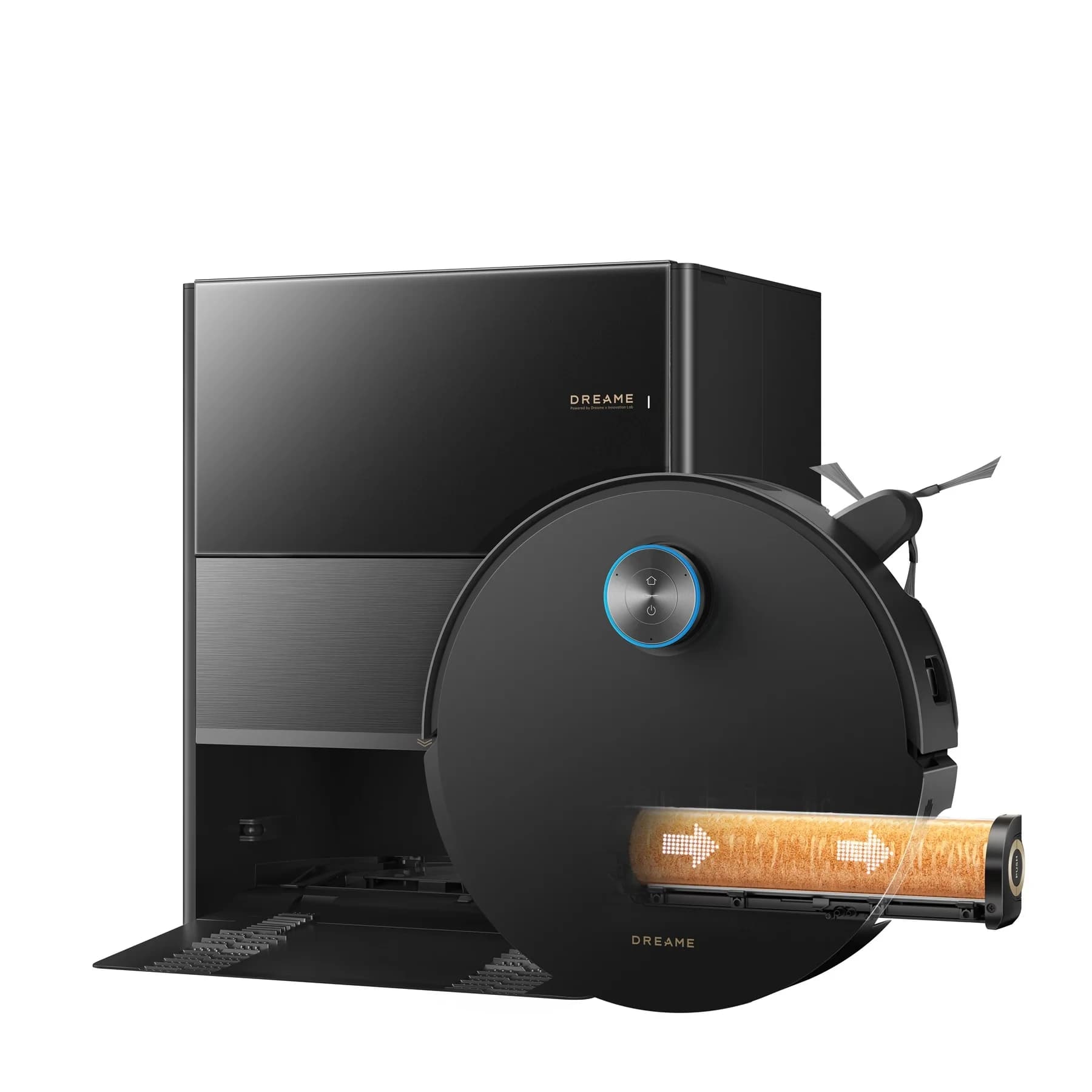
Dreame's roller-mop flagship: 30,000 Pa, a 270 mm roller at 9 to 11 N that slides to the wall and lifts 14 mm, legs for a 4.2 cm sill or 8 cm double step, two AI cameras and a 100 °C wash.
Cleaning93
93 /100
Navigation92
92 /100
Mopping95
95 /100
Obstacle Avoidance95
95 /100
Retracting LiDAR30,000 PaRoller mopSelf-emptyingAI camera
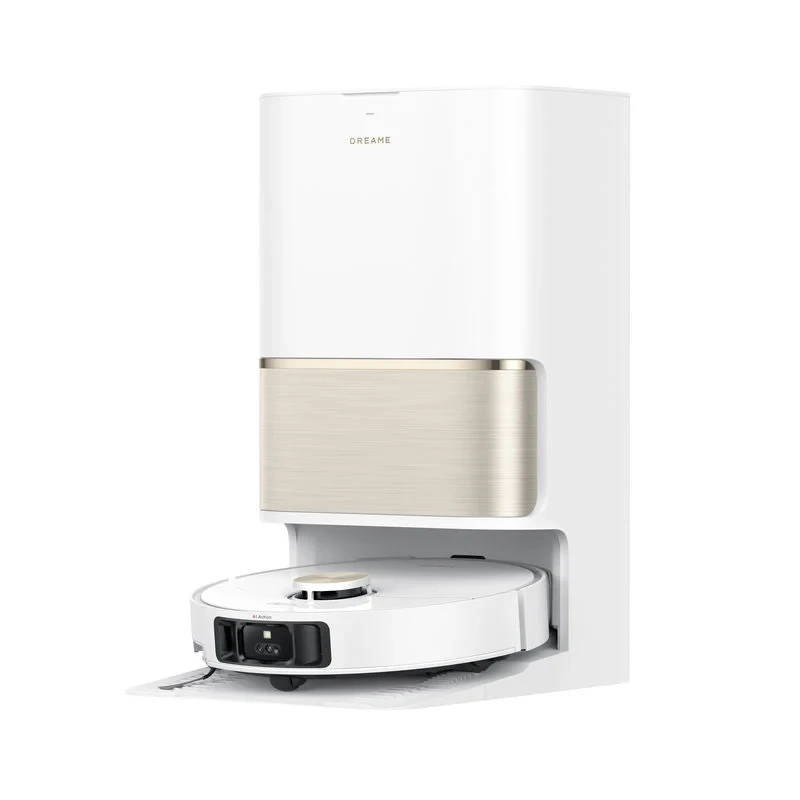
Dreame's ProLeap legs on a fixed-LiDAR L robot: 19,500 Pa, a 4.2 cm sill or 6 cm double step, an RGB camera with structured light, pads that lift and detach, a 75 °C wash, 200 minutes a charge.
Cleaning92
92 /100
Navigation80
80 /100
Mopping92
92 /100
Obstacle Avoidance100
100 /100
LiDAR19,500 PaSpinning mopSelf-emptyingAI cameraRecognises pet waste
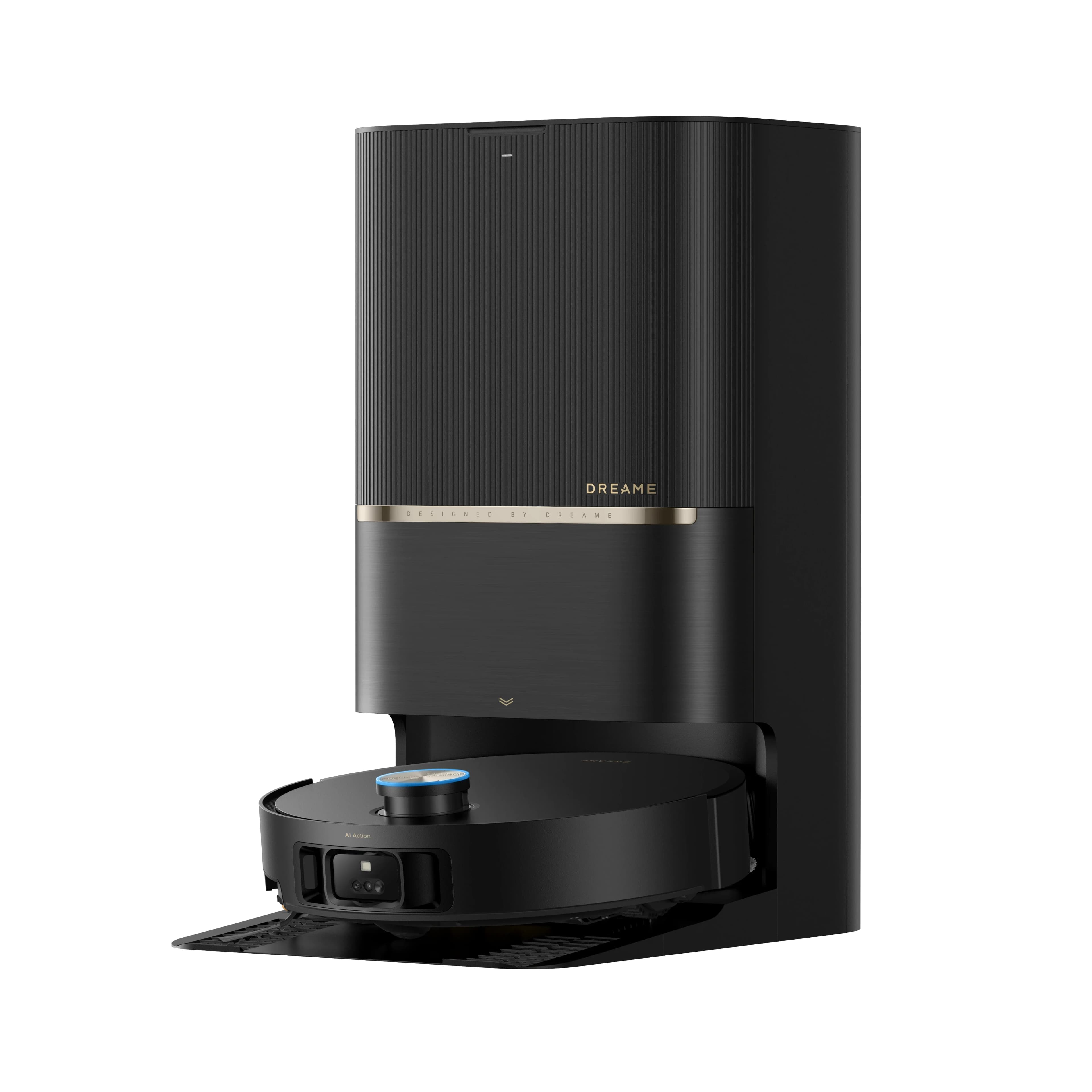
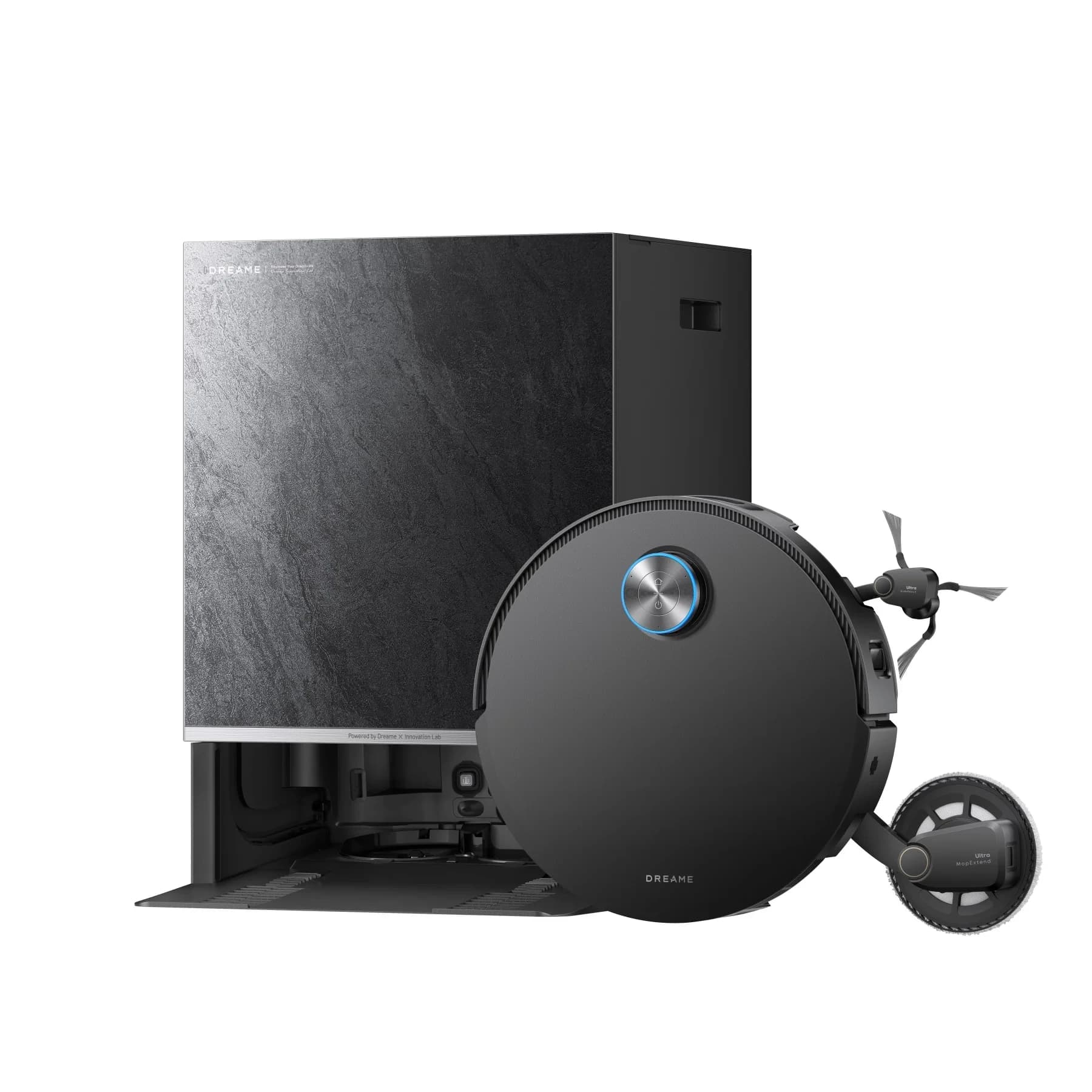
The L60 with legs: 35,000 Pa, ProLeap legs for 8.8 cm double-layer thresholds, a LiDAR that retracts to 89 mm, 280 object types, mops with 40 °C water, and a 6,400 mAh battery for 220 minutes.
Cleaning93
93 /100
Navigation90
90 /100
Mopping92
92 /100
Obstacle Avoidance95
95 /100
Retracting LiDAR35,000 PaSpinning mopSelf-emptyingAI camera
Dreame's American flagship: 35,000 Pa, 4.5 cm sills and 8.8 cm double steps, a LiDAR that drops to 79.5 mm, pads that extend, detach and run 40 °C water, an 80-minute charge and a 100 °C wash.
Cleaning93
93 /100
Navigation96
96 /100
Mopping92
92 /100
Obstacle Avoidance90
90 /100
Retracting LiDAR35,000 PaSpinning mopSelf-emptyingAI cameraRecognises pet waste
The X60 Pro on a dock that fits one of three pad types per room and doses three detergents: 42,000 Pa, 5.2 cm sills or 10 cm double steps, a LiDAR that retracts to 89 mm, two cameras, a 100 °C wash.
Cleaning90
90 /100
Navigation94
94 /100
Mopping85
85 /100
Obstacle Avoidance100
100 /100
Retracting LiDAR42,000 PaSpinning mopSelf-emptyingAI cameraRecognises pet waste
Roller mop and legs without the retracting turret: 30,000 Pa with a carpet boost, a roller at 9 to 11 N that lifts 14 mm under a guard, a 4.2 cm sill or 6 cm double step, 120 mm tall, a 100 °C wash.
Dreame's steam flagship: 40,000 Pa, a 270 mm roller at 18 N that steams at 180 °C, extends 8 cm and lifts 15 mm, legs for 5 cm sills, a retracting LiDAR and a 100 °C wash.
Cleaning87
87 /100
Navigation92
92 /100
Mopping91
91 /100
Obstacle Avoidance100
100 /100
Retracting LiDAR40,000 PaRoller mopSelf-emptyingAI cameraRecognises pet waste
Highest on this list · Dust bag interval: 120 days
85/100
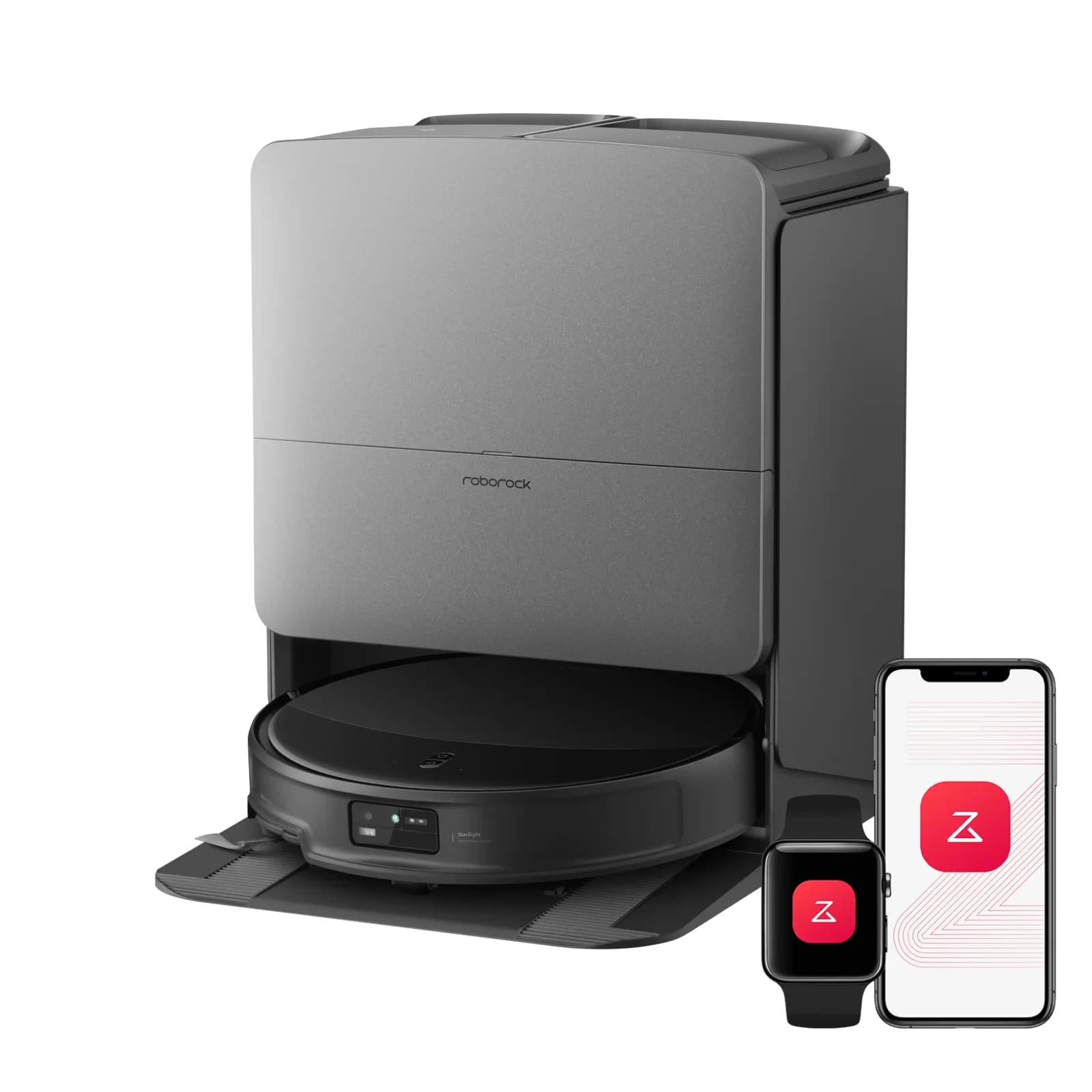
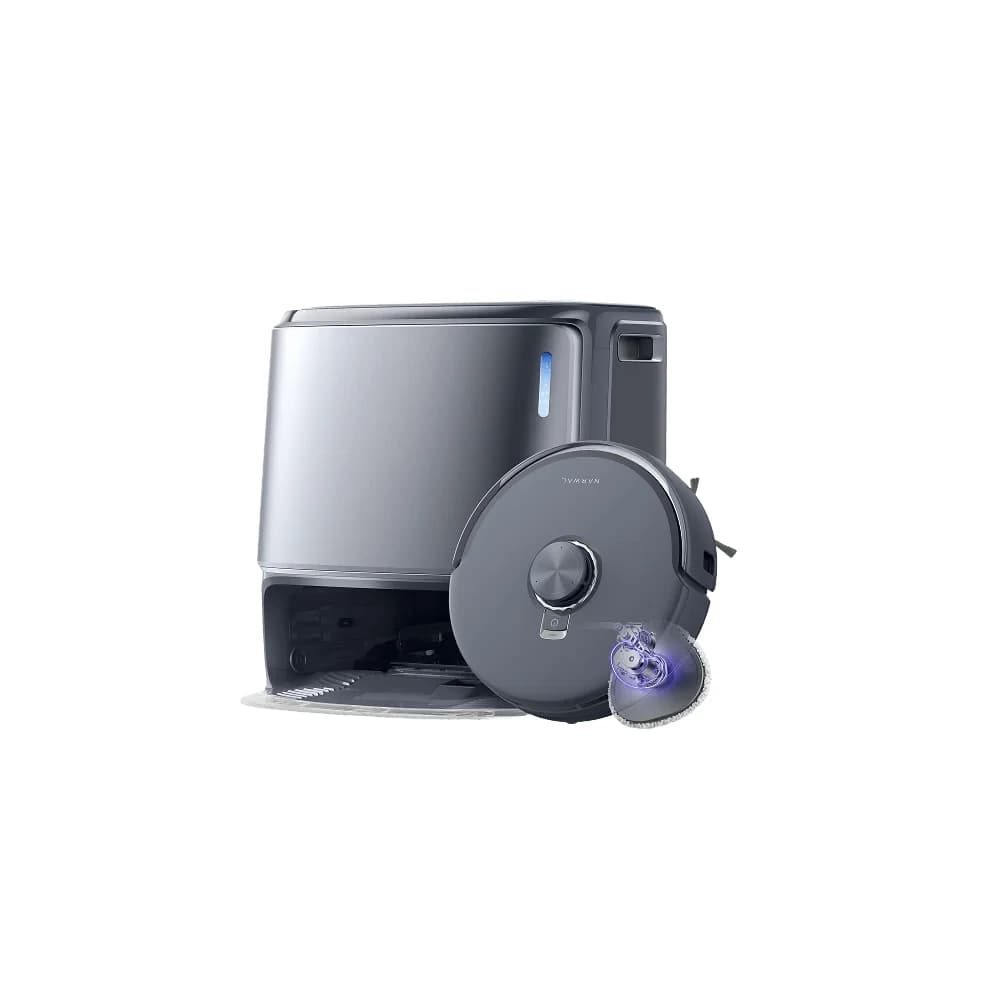
Narwal's LiDAR flagship of the pad generation: 18,000 Pa, triangular mops that extend to the edge and lift 12 mm, a dirt sensor that mops until clean, two cameras and a quiet all-in-one dock.
Cleaning93
93 /100
Navigation82
82 /100
Mopping86
86 /100
Obstacle Avoidance85
85 /100
LiDAR + Vision18,000 PaSpinning mopSelf-emptyingAI camera
The brush decides more than the suction figure does, and with a long-haired dog or cat it is the first line of the specification to read. Our guide to robot vacuums and pet hair explains why, brush type by brush type, names the machines that carry each, and goes on to what the robot sees and where the hair ends up. The brush of every machine on this page is on its own page, under the brush system.
Which robots recognise pets?
Steering round a sock and recognising a cat are two different claims. For the machines below, the maker says the camera identifies a pet; what the robot then does differs from maker to maker, and each machine's page says what its maker promises. None of it makes the robot clean better. It decides whether a nervous dog or cat and a robot can share the flat while nobody is home, and no maker publishes how often the recognition holds.
Yes, all of them. Every robot vacuum that qualifies for this list also mops, washes its mop in the dock and empties its bin into the dock, so the list above is already a list of vacuum and mop robots with a self-emptying dock. With a dog or a cat that sheds, the bin on the robot matters less than how often the bag in the dock needs changing. The makers state it in days for an average household; with an animal that moults it will likely fill sooner, and by how much nobody publishes. The group below keeps to the machines here whose bag the maker rates for more than 100 days, with the figure on each row; the self-emptying ranking weighs the whole dock.
Pet-hair robots at the lower end of the price range
Camera recognition is no longer kept for the flagships. The group below keeps to the machines on this list with a price recorded for this edition under a set limit in its currency, the lower end of what these robots cost here. It is computed from the prices we read from the shops each night and changes with them, and a machine priced only in another market is left out. The mid-range and entry-level rankings put the best machines under their own price limits in order, with a camera or without.
Robot vacuum obstacle avoidance from the makers' own figures: bumper, structured light, cameras and depth sensors, and which machines we list have which.