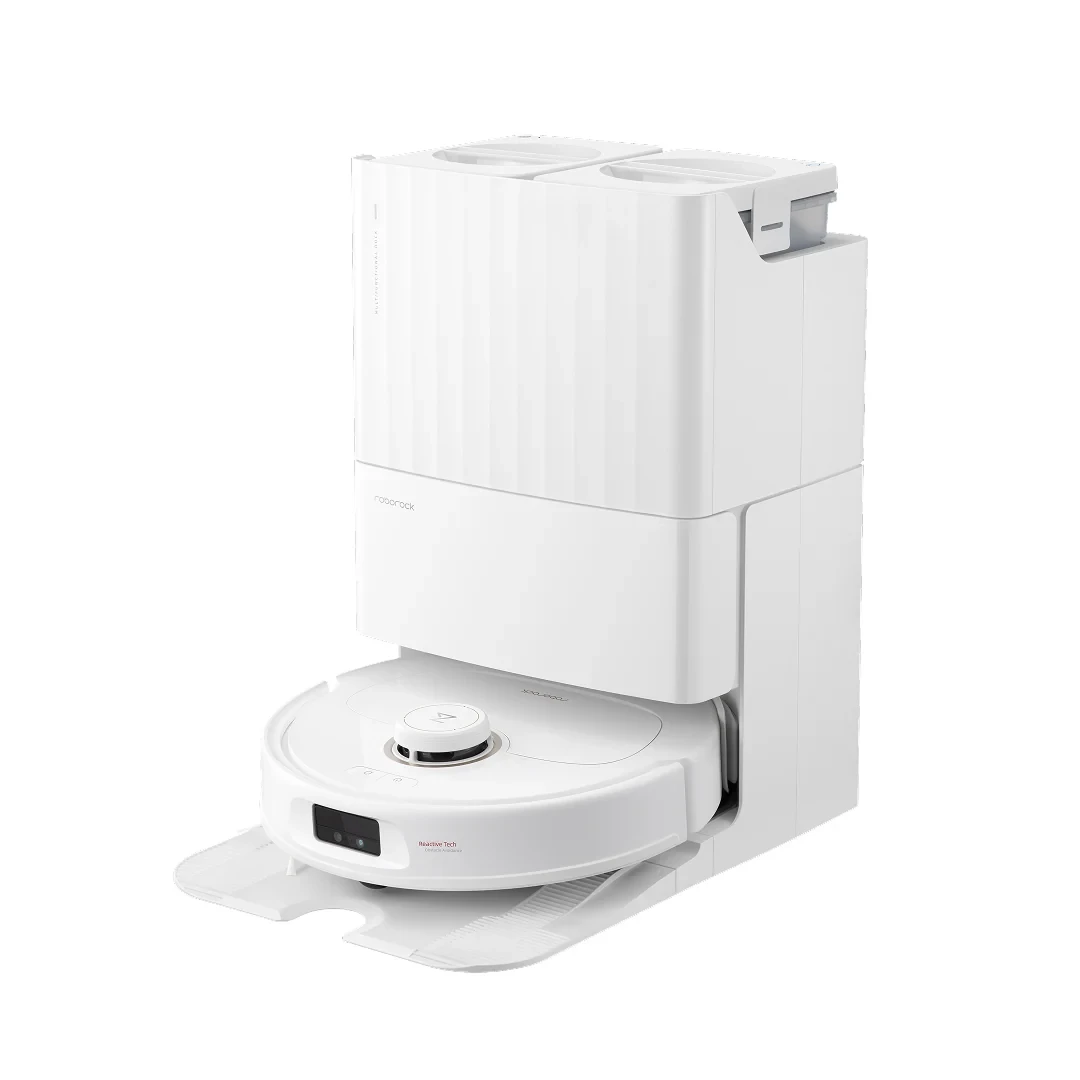
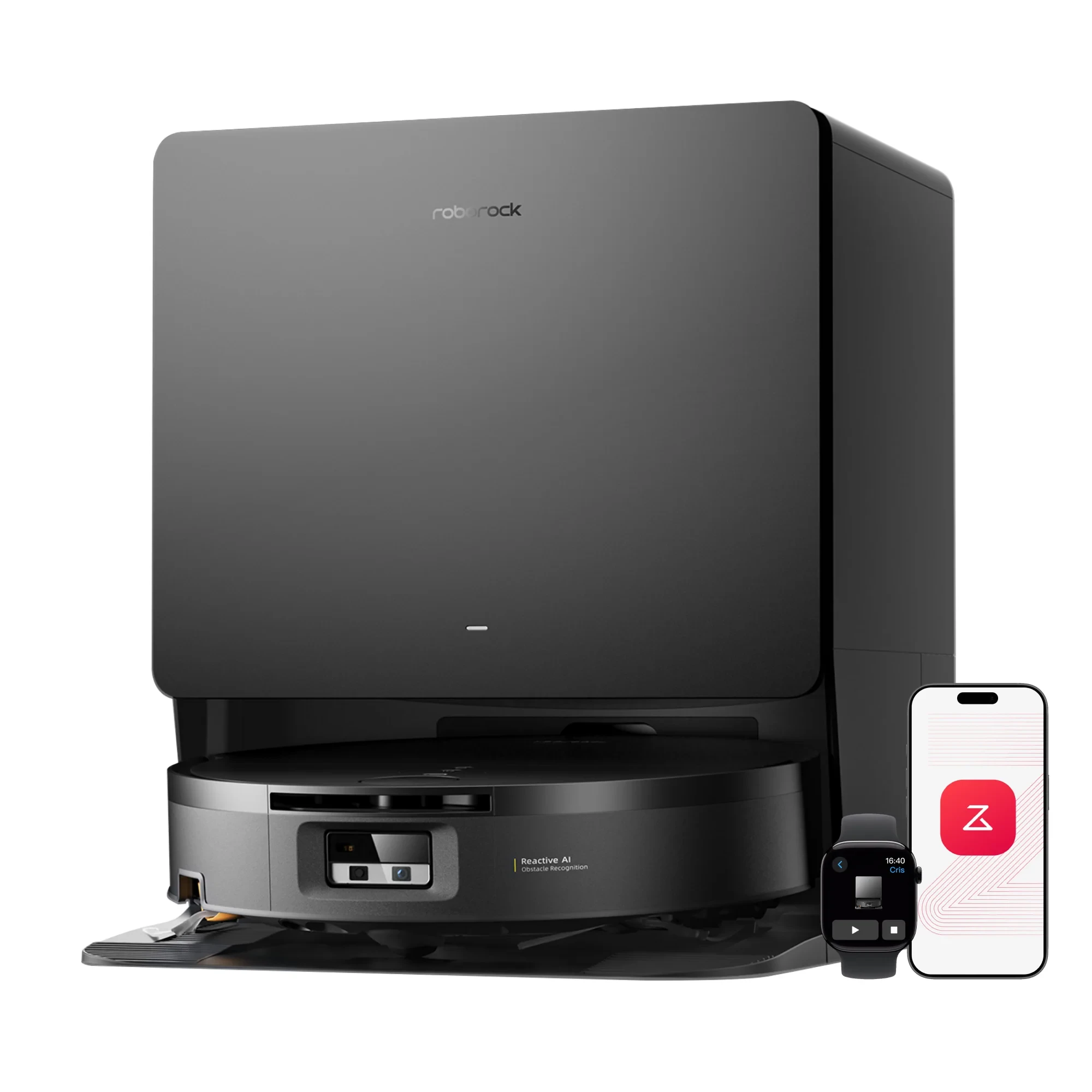
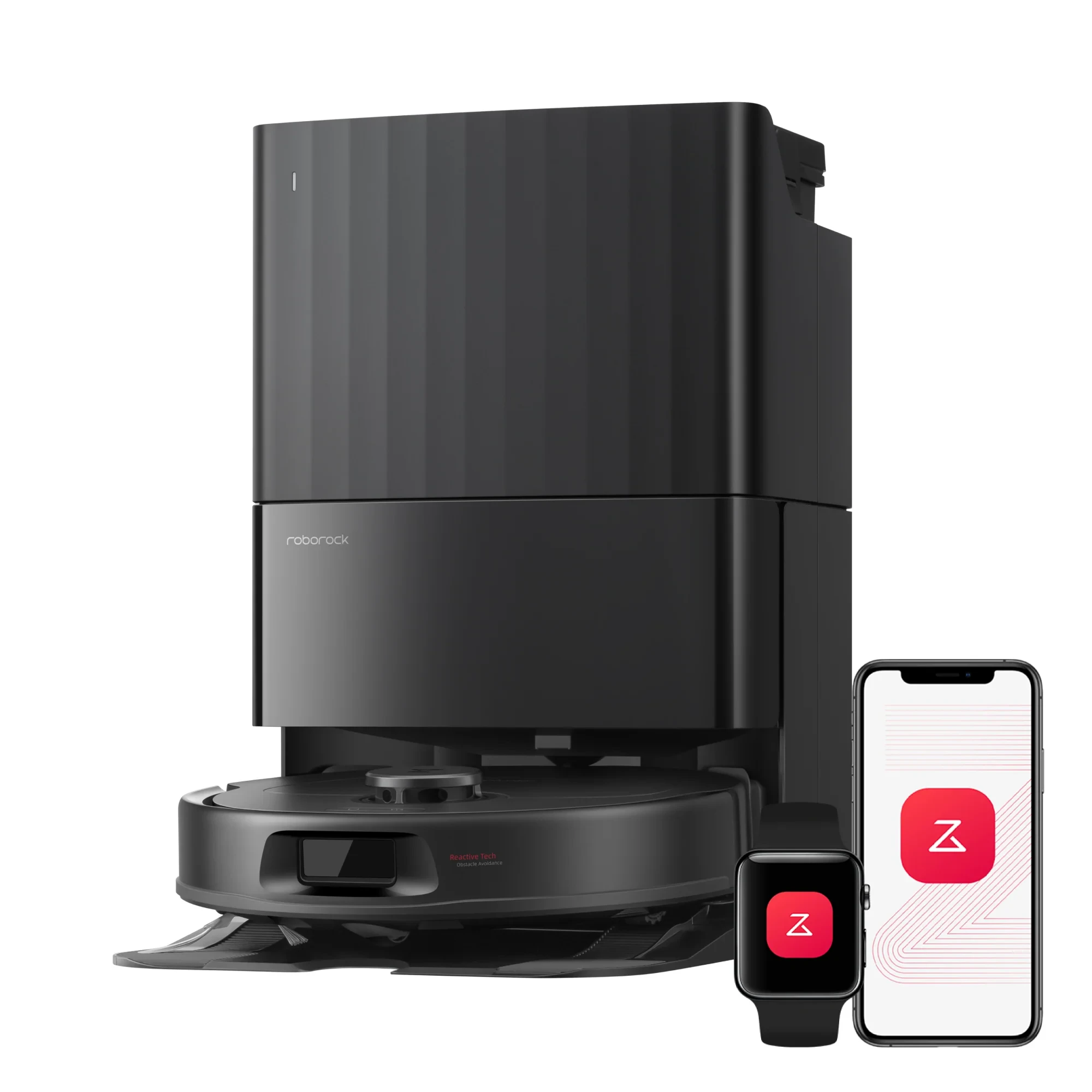
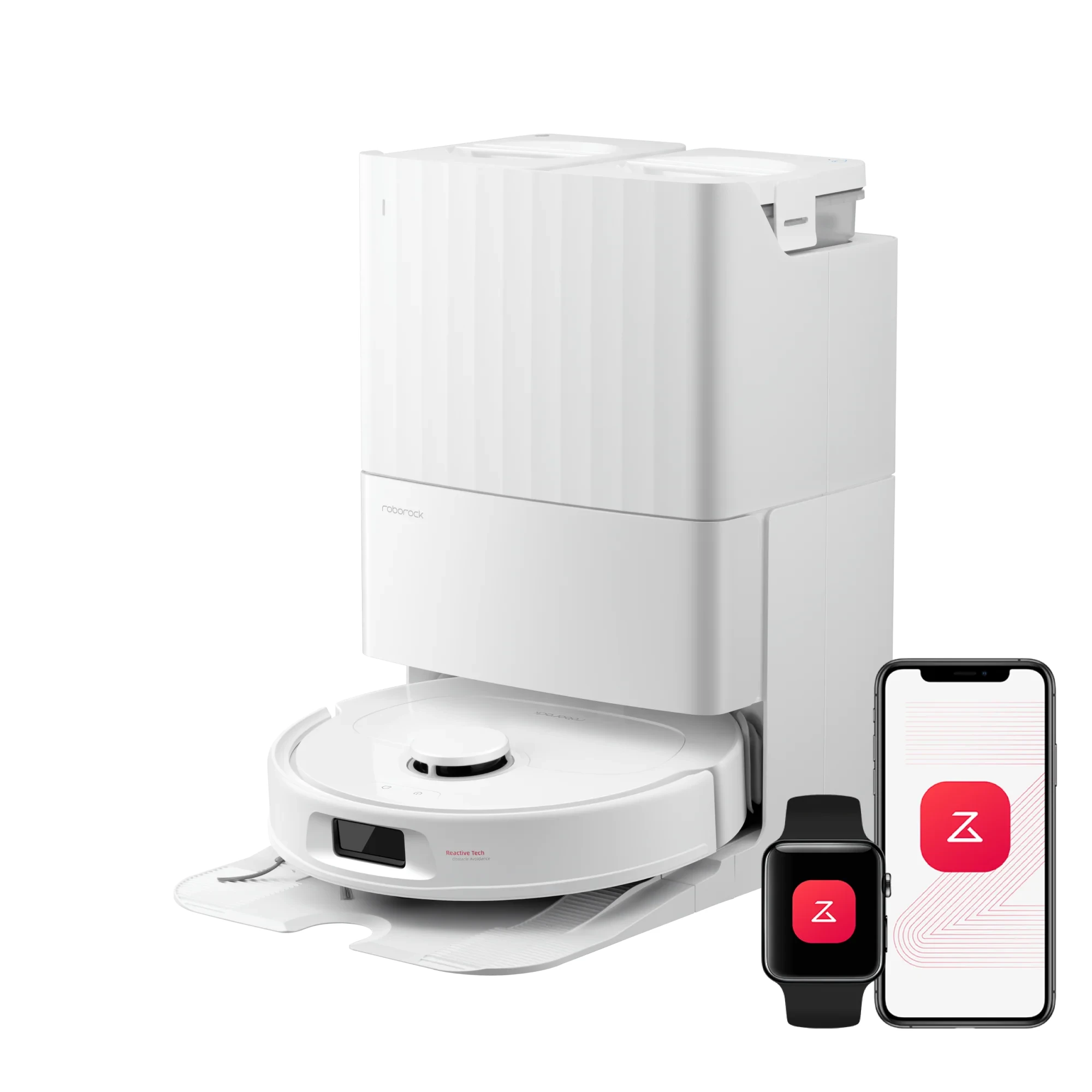
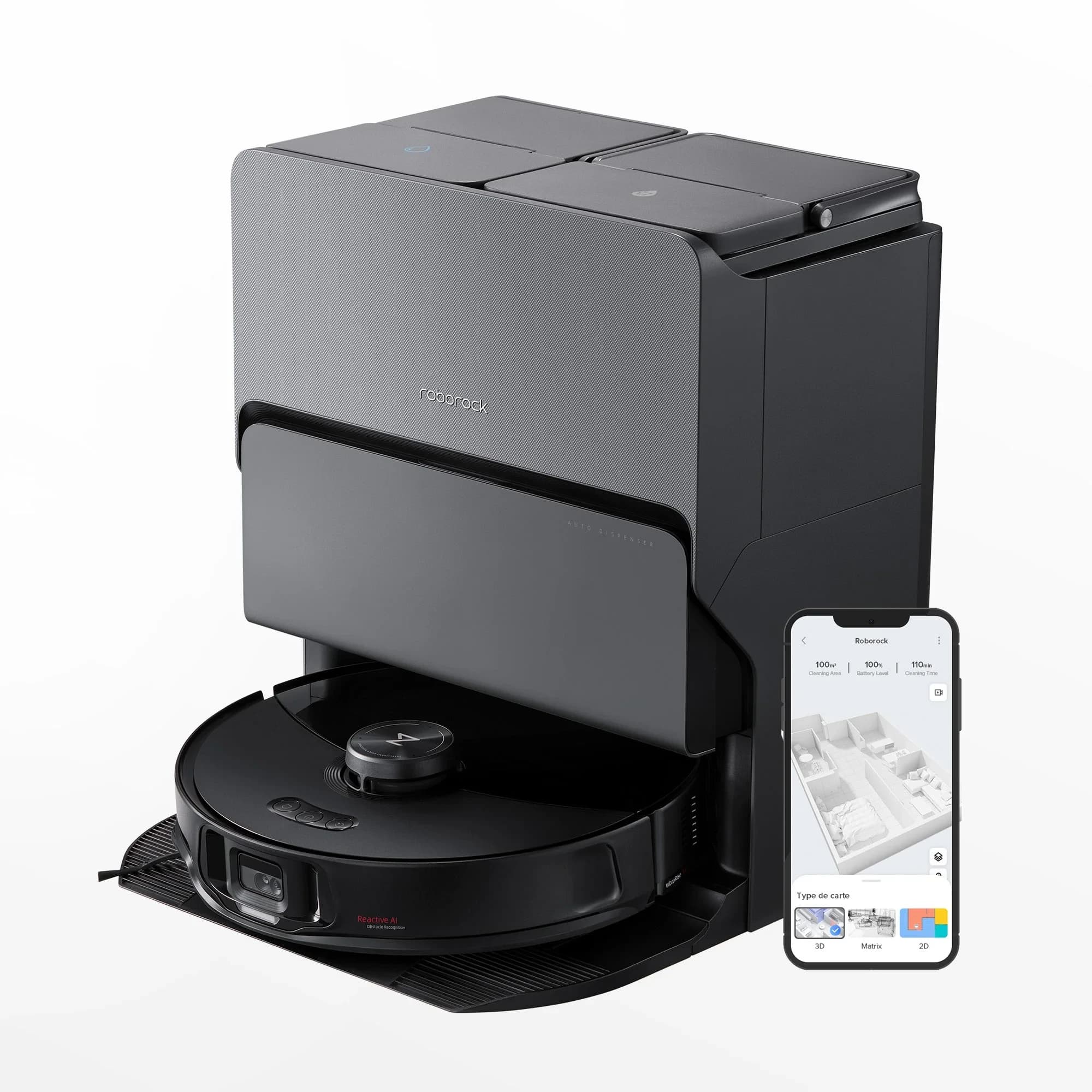
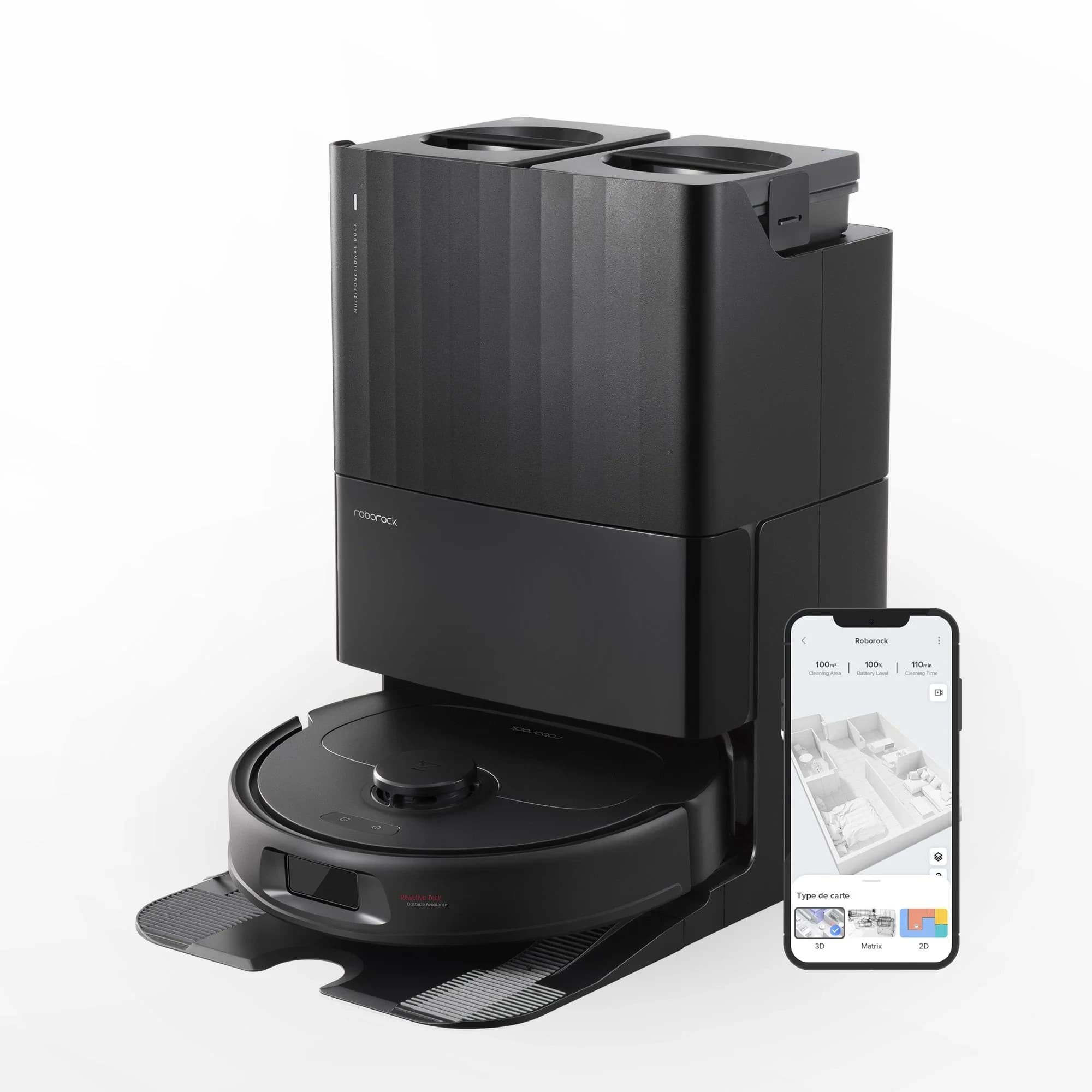
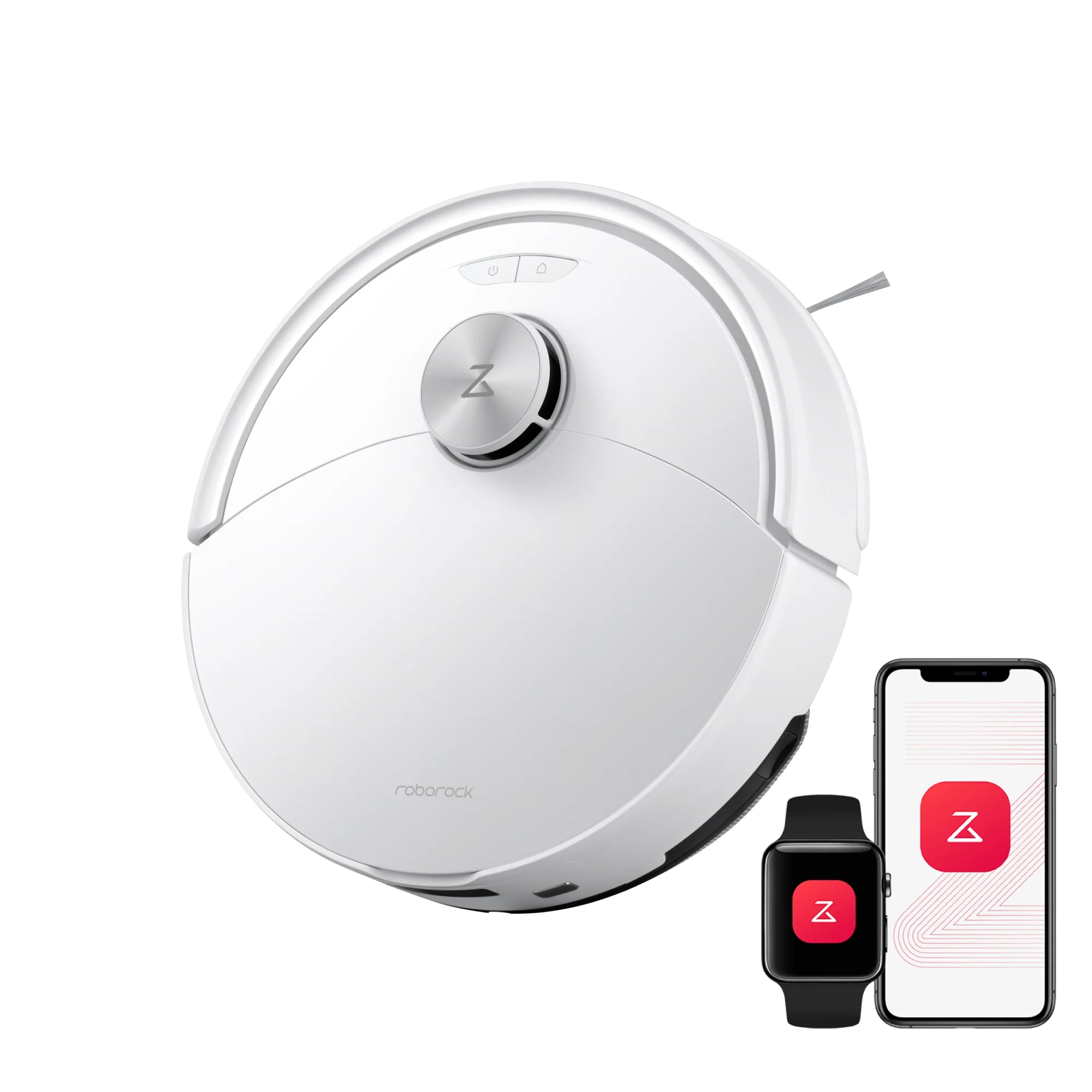
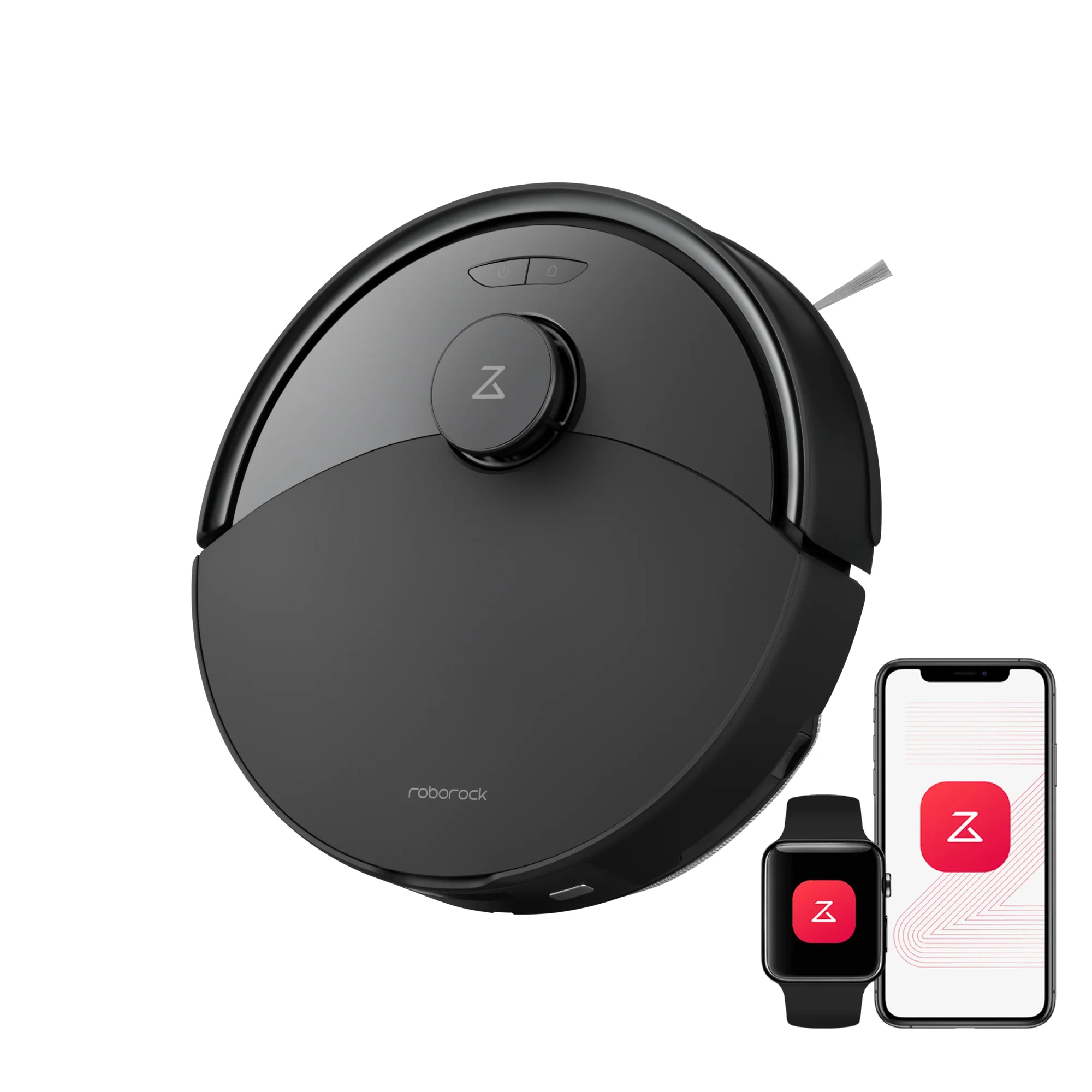
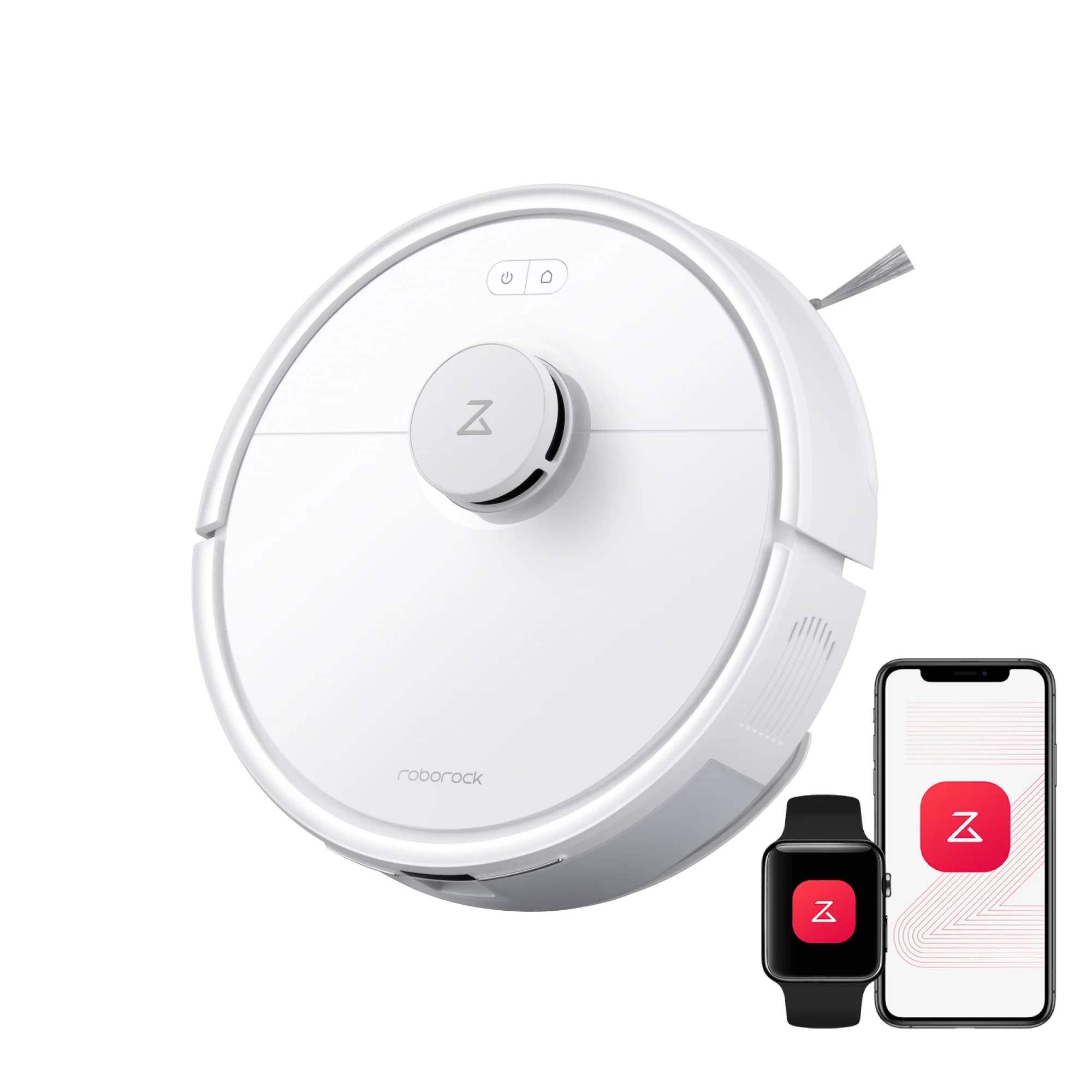
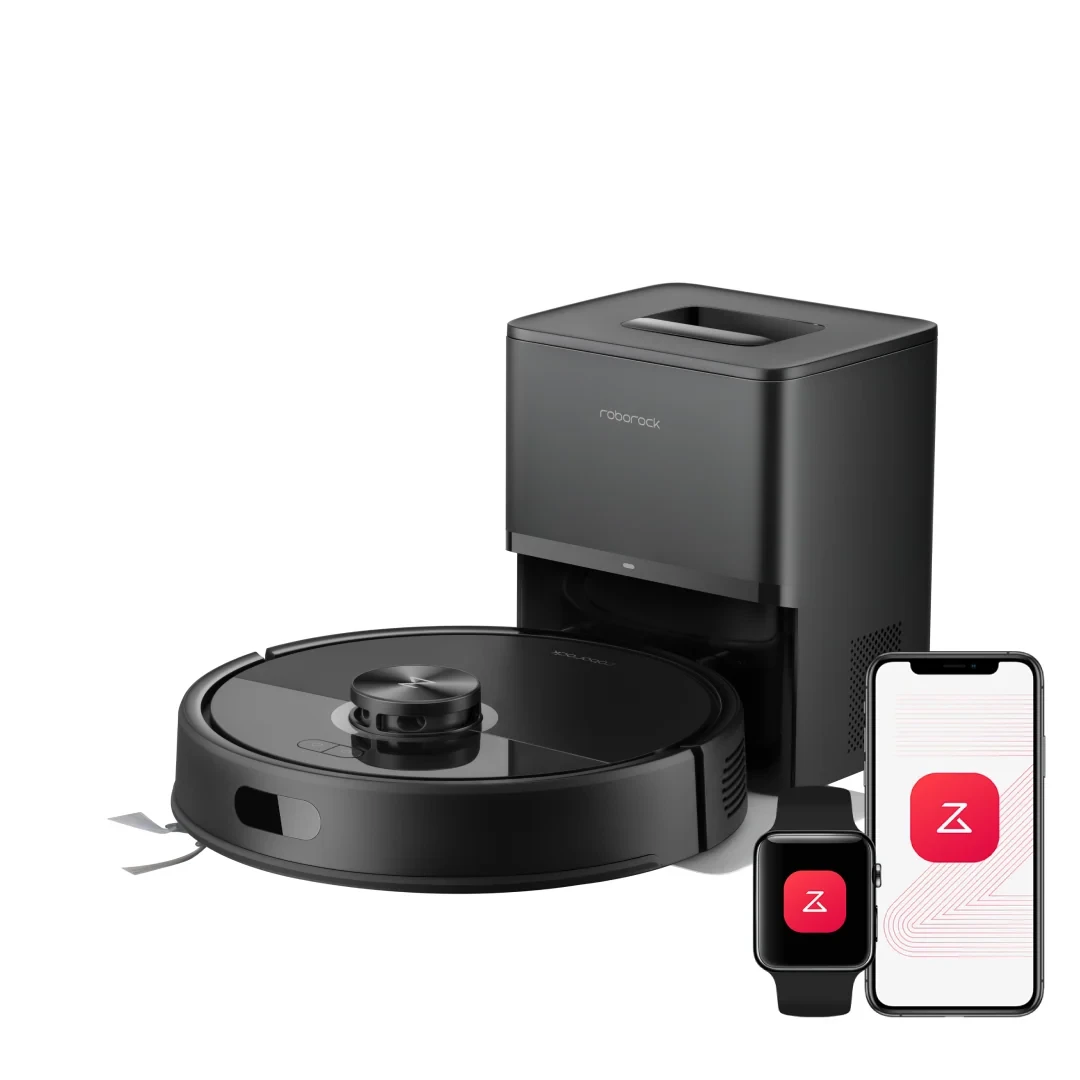
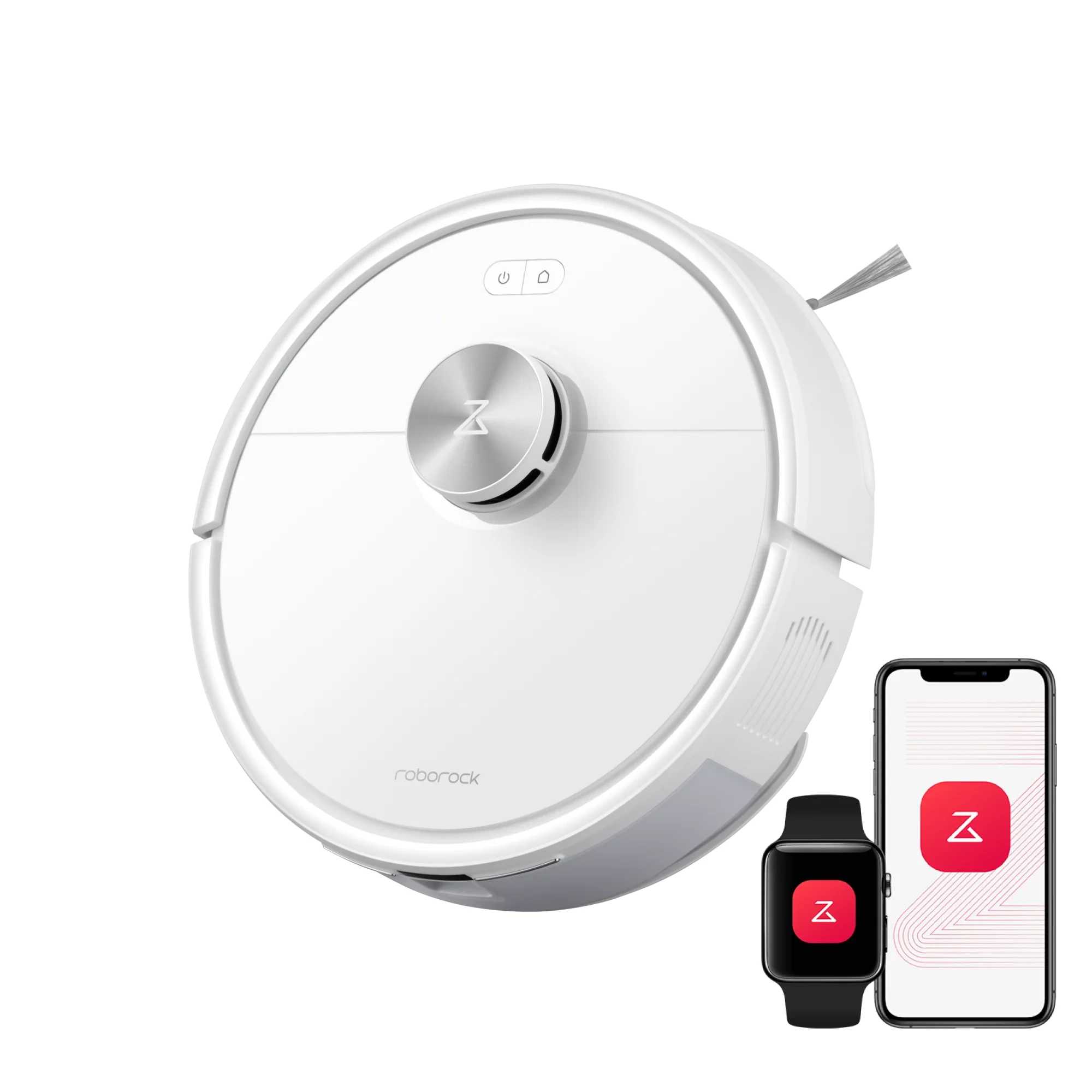
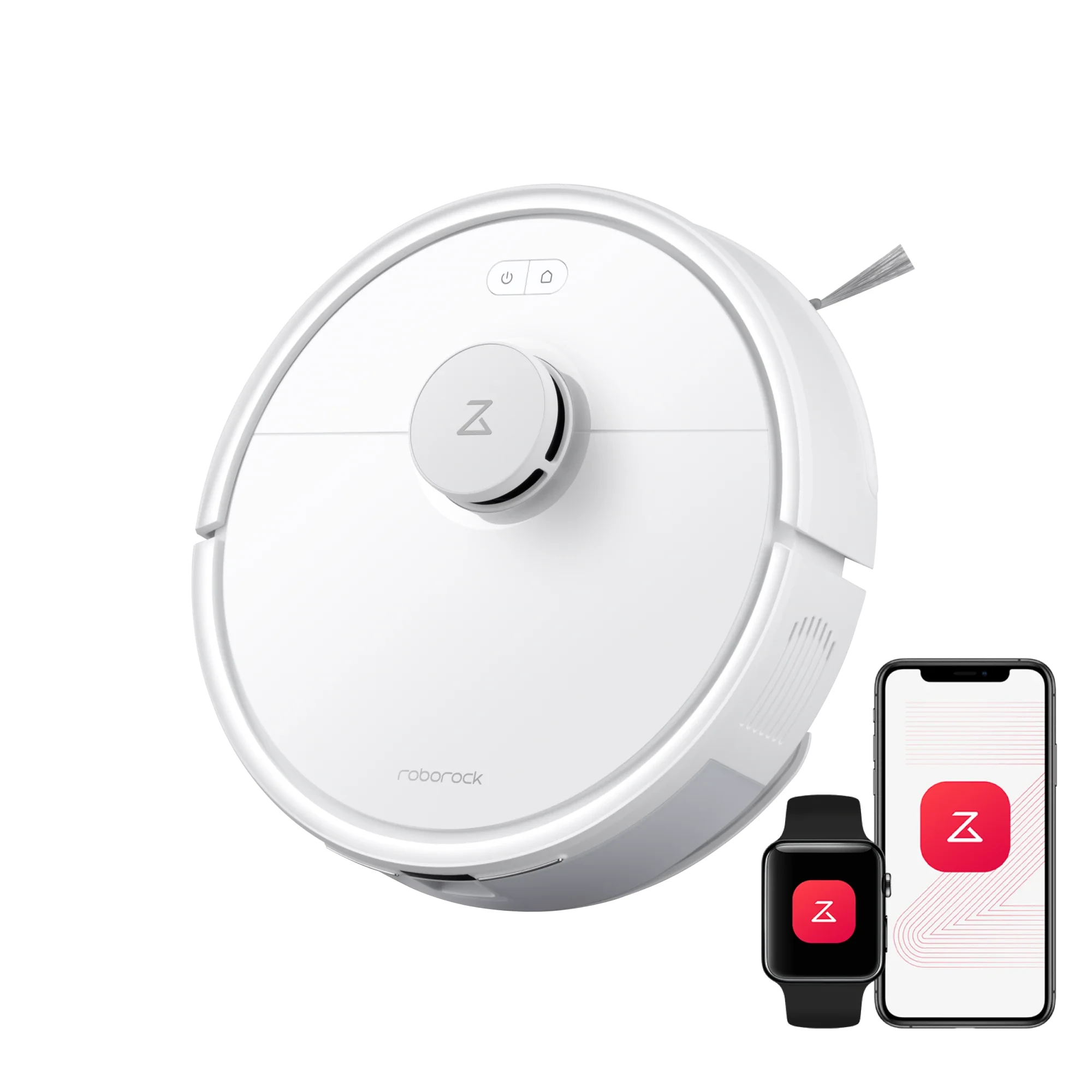
Roborock Saros 20
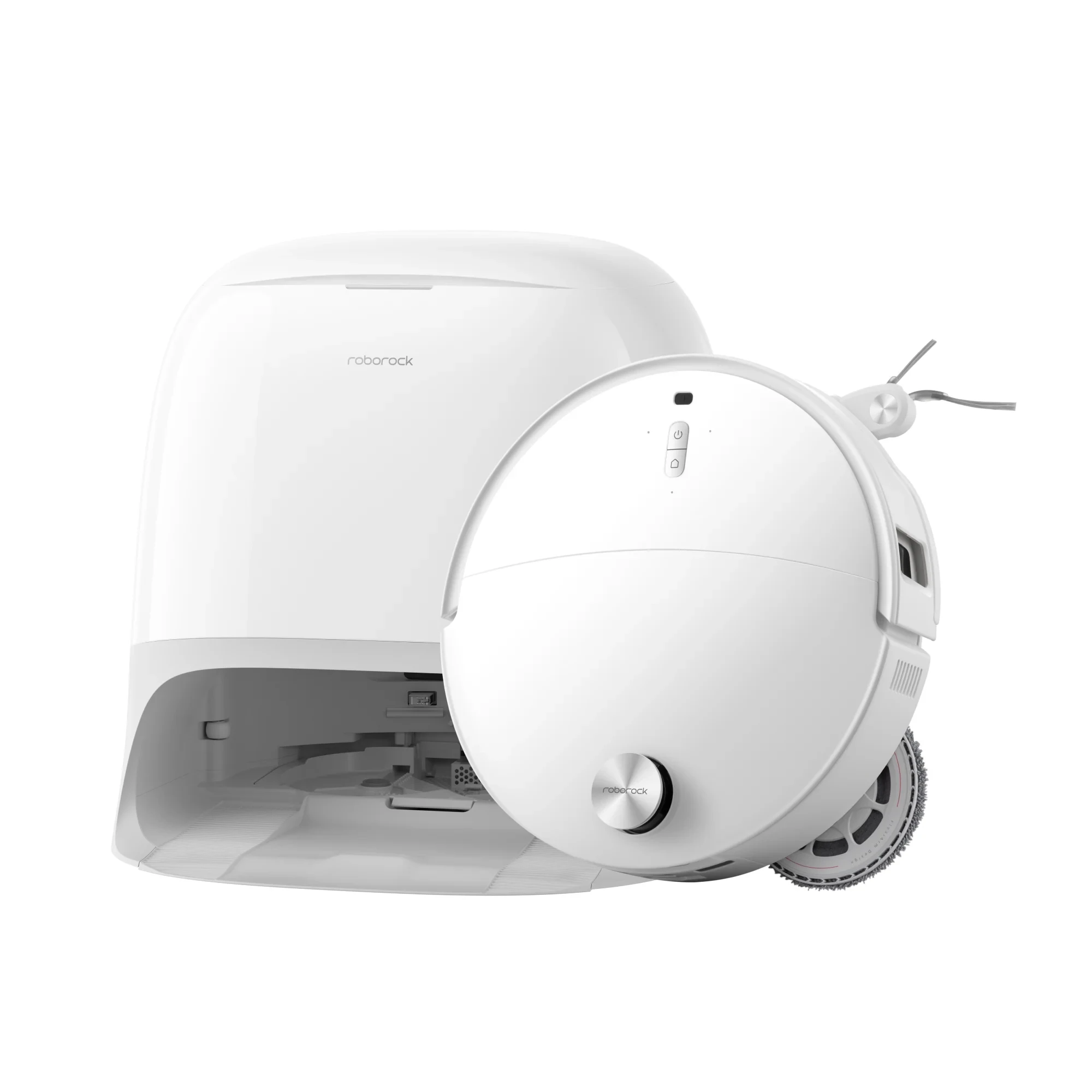
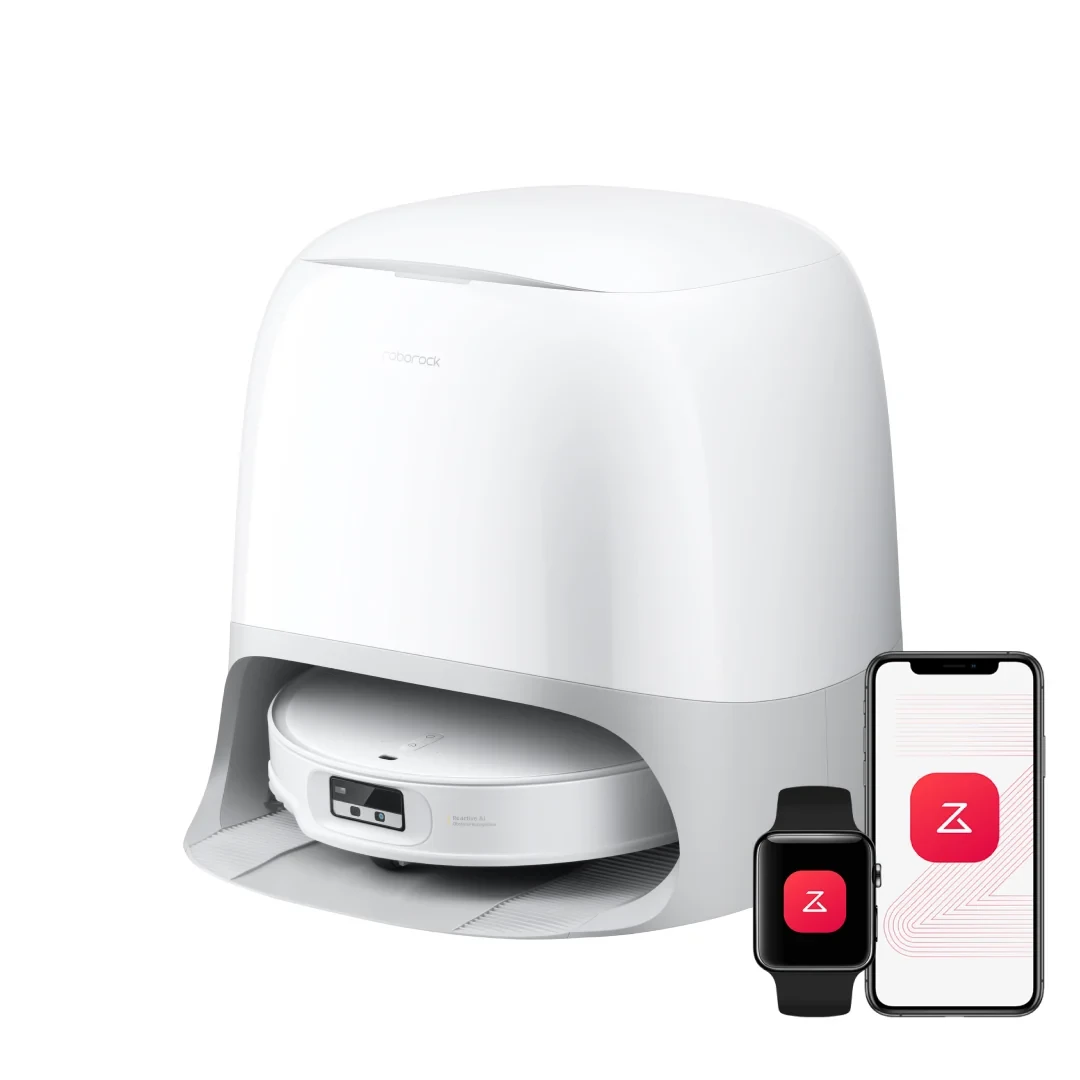
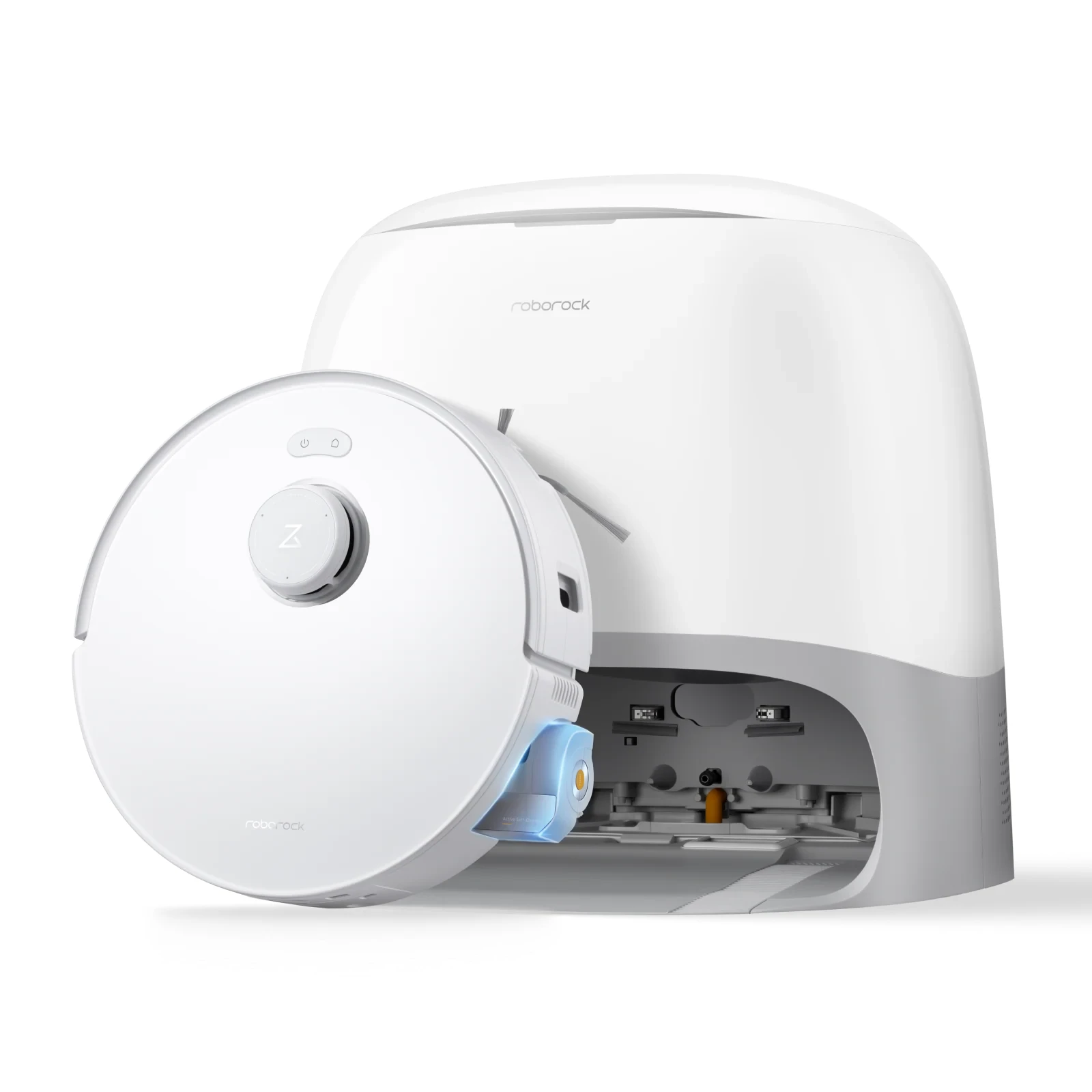
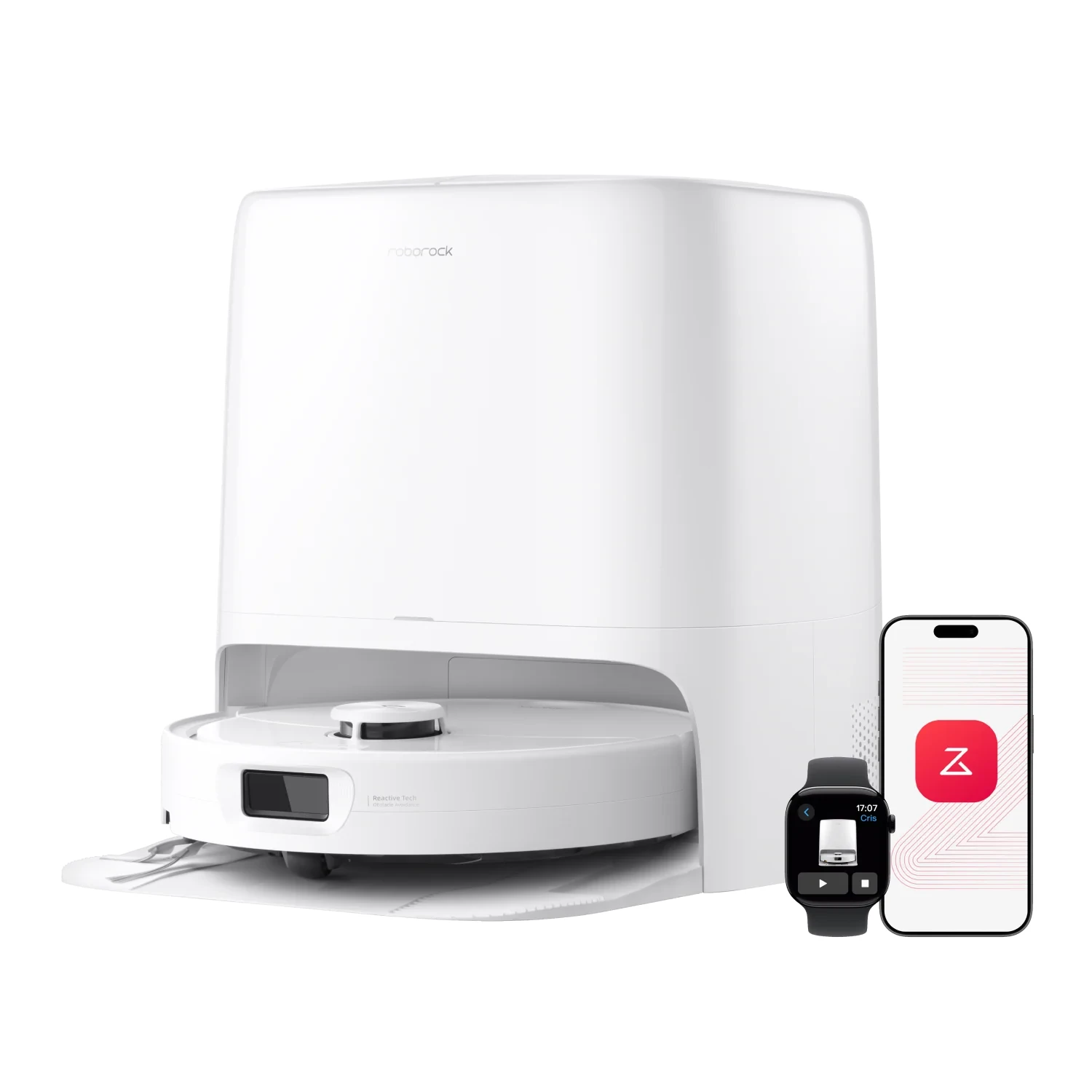
Roborock's flagship: 36,000 Pa, twin spinning mops the dock washes at 100 °C, and a solid-state 3D sensor instead of a LiDAR turret.
- Cleaning
- 93 /100
- Navigation
- 94 /100
- Mopping
- 92 /100
- Obstacle Avoidance
- 95 /100
Brand guide · Robot vacuums
Every Roborock robot vacuum we list, ranked by Verdict Score, with the Saros, Qrevo, QV and Q lines explained from the figures Roborock publishes.
30 models evaluated · best Verdict Score 85/100 · Updated
Roborock sells four lines that overlap in price but not in design. Saros is the flagship family, 80 mm tall on every model but the roller-mop Saros 20 Flow (89.8 mm), by a retractable LiDAR turret or, on the Saros 20 and Saros Z70, a time-of-flight camera array in place of the turret. Qrevo is the broad middle, where the dock does the work and the models differ in turret, mop and suction. QV is the budget line that still gets a dock that empties, washes, dries and refills, and Q is the entry level with a vibrating or static mop pad and, at most, a self-emptying base.
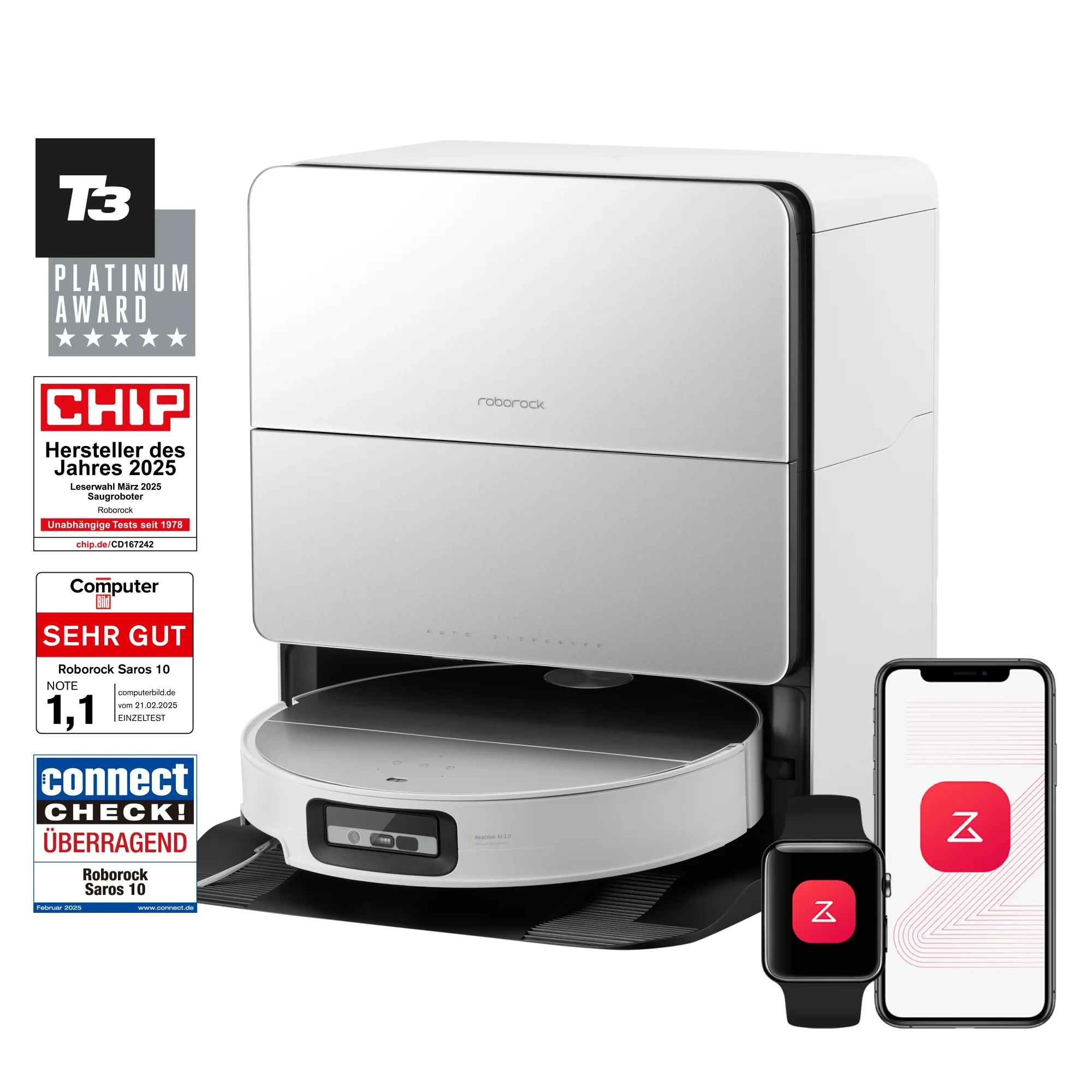
The Saros 20 is Roborock's flagship: 36,000 Pa, dual spinning mops that extend to the skirting and are left at the dock before carpet, and a 45 mm threshold rating. The Saros 20 Sonic is the same chassis with a vibrating pad and a retractable LiDAR, and the Saros 20 Neo keeps the suction and the threshold but its dock does not dry the mop. The Saros 20 Flow keeps the 36,000 Pa too but mops with a roller under a retracting turret, stands 89.8 mm tall, and Roborock publishes no mop lift for it. The Saros Z70 is the one with the mechanical arm, at 22,000 Pa, and the Saros 10 is the earlier vibrating-pad model with the retracting turret.
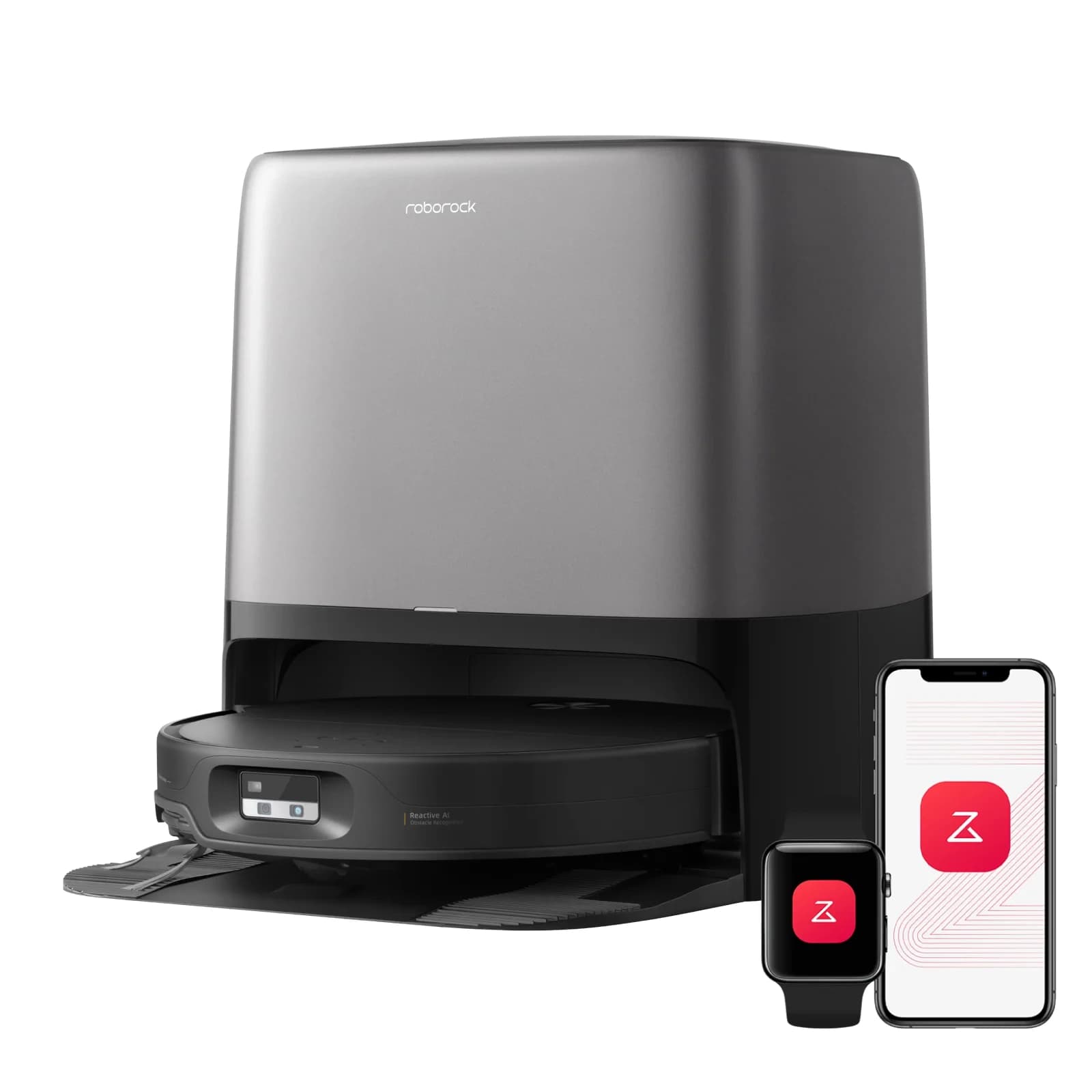
The Qrevo Curv 2 Pro is the Qrevo closest to the Saros on our engine, with a retracting turret, 25,000 Pa, carpet boost and mops that are left at the dock. The Qrevo Edge 3 Pro and Qrevo CurvX are also 80 mm machines with the retracting turret; the Qrevo Edge 2 Flow and Qrevo Curv 2 Flow swap the pads for a roller mop under a fixed turret. Below them the Qrevo Edge 2, Qrevo Edge, Qrevo 2 Pro, Qrevo Curv S5X, Qrevo S5V and Qrevo S keep the dock and the dual spinning mops at lower suction figures. The Qrevo S Pro keeps the Qrevo S's height and battery but raises suction from 7,000 to 18,500 Pa, and Roborock gives its dock a 75 °C mop wash.
The QV 35A and QV 35S are the cheapest Roborocks with a dock that empties, washes, dries and refills, at 8,000 and 10,000 Pa with structured-light obstacle detection. The Q line is simpler, and most of its models come with or without a self-emptying base: the Q10 S5+ and Q10 S5 have a vibrating pad, the Q10 X5+, Q10 X5, Q7 M5+, Q7 M5, Q7 L5+ and Q7 L5 a static pad, and the models with a plus in the name come with the base while the others charge on a plain dock. The S8 MaxV Ultra is the previous flagship generation, still sold with the full dock at 10,000 Pa.
The rankings this hub draws on: best robot vacuums for pet hair, for mopping, for carpets, with self-emptying docks and the best value. Every score is computed as described in how we score.
Shop links are affiliate links: a purchase through them may earn RoboVerdict a commission, which never changes a ranking.

Roborock's flagship: 36,000 Pa, twin spinning mops the dock washes at 100 °C, and a solid-state 3D sensor instead of a LiDAR turret.

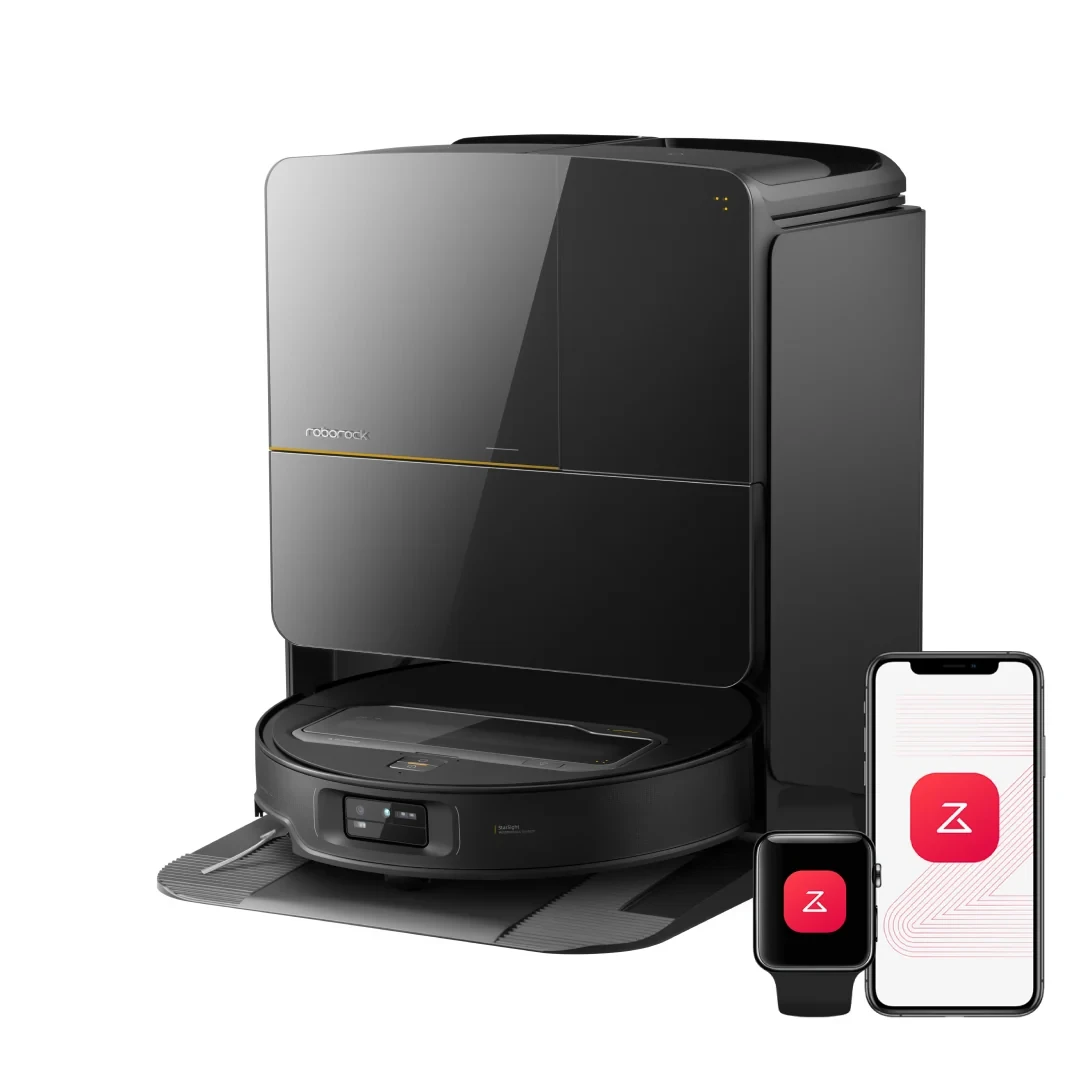
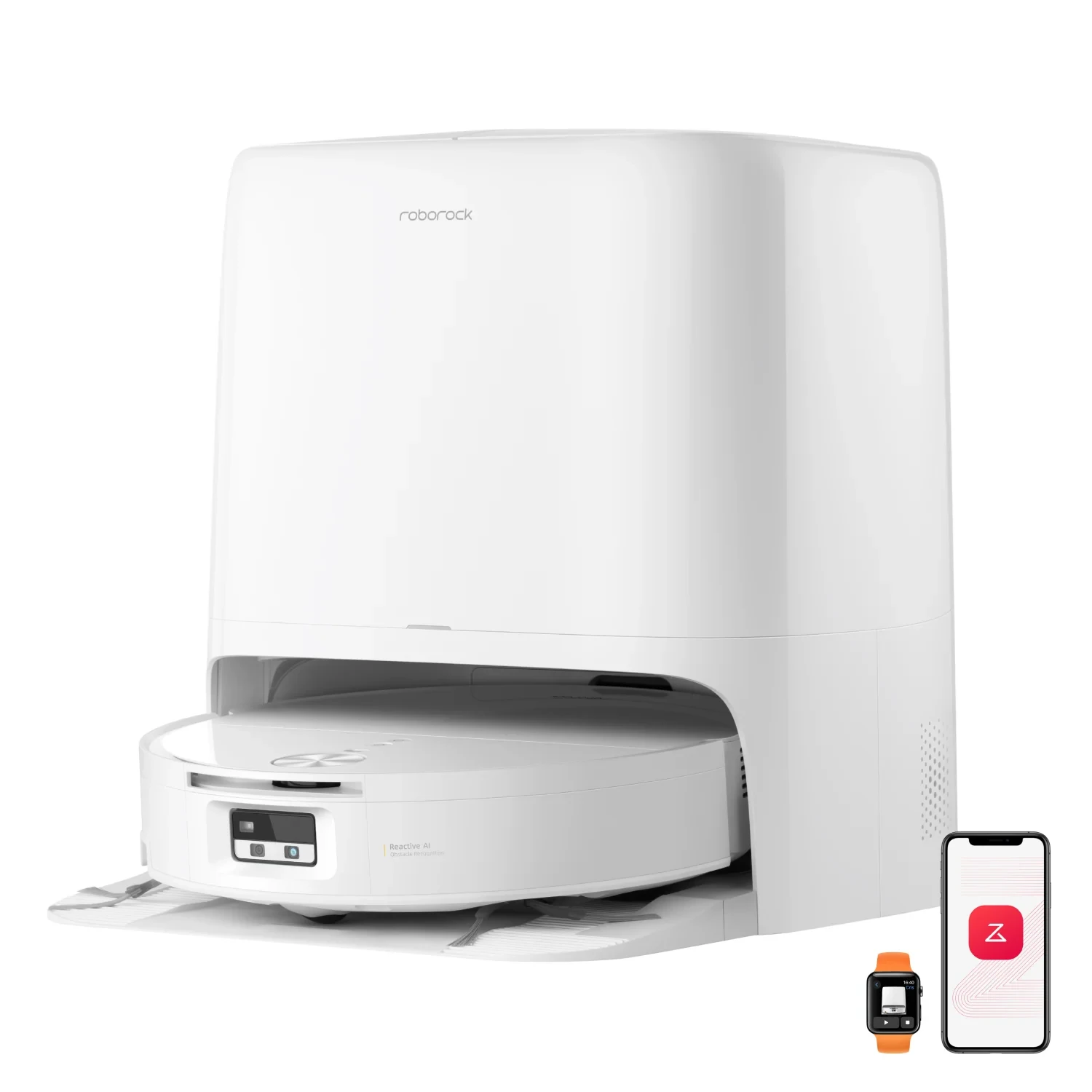
A Saros-shaped Qrevo: 25,000 Pa, a fully retractable LiDAR in an 80 mm body, 12 N spinning mops left in the dock for carpet, a chassis that lifts 20 mm and takes 4 cm double steps, and a 100 °C wash.

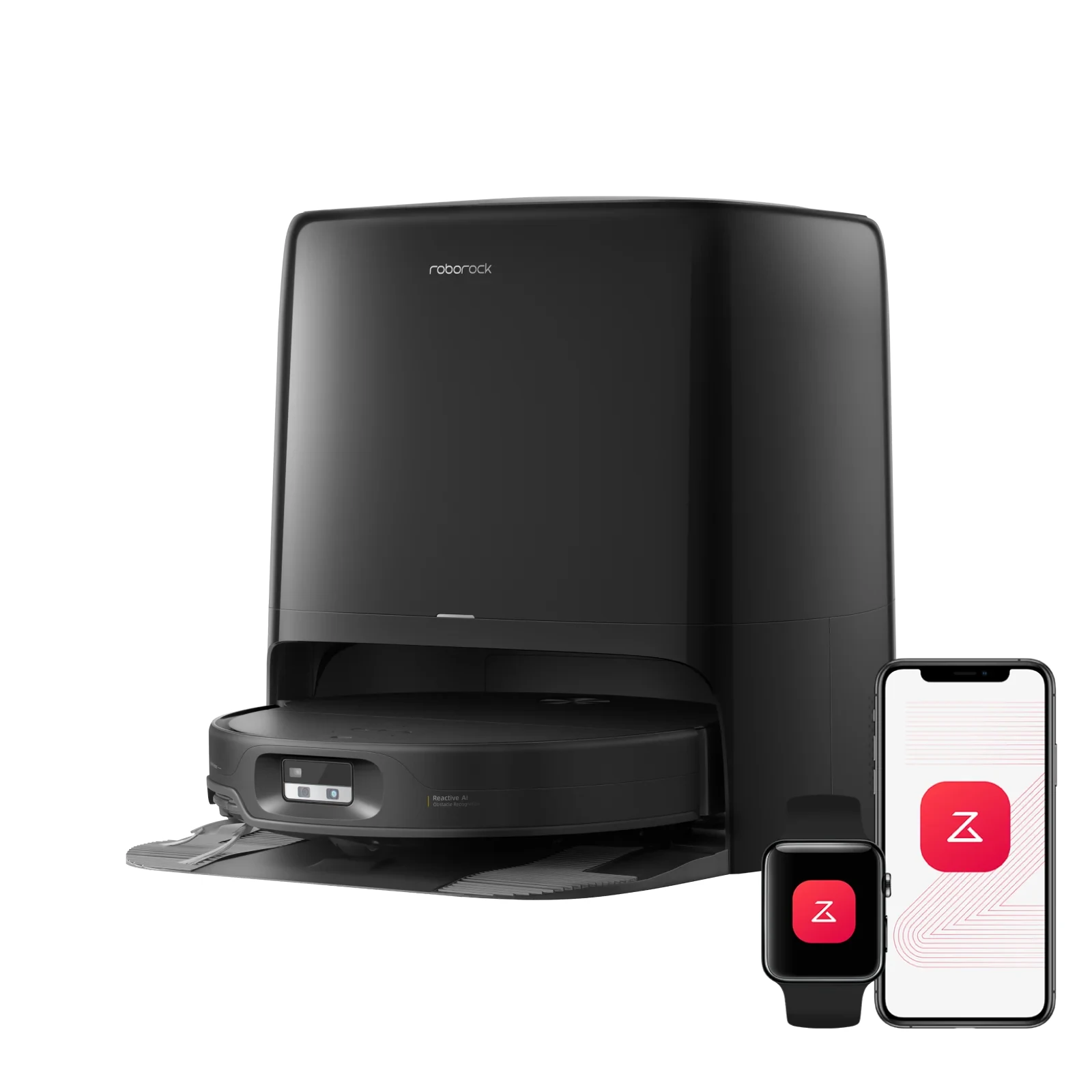
The robot vacuum with an arm: 22,000 Pa, solid-state 3D sensing in an 80 mm body, and a five-axis gripper that lifts socks, slippers and tissues out of its own path.

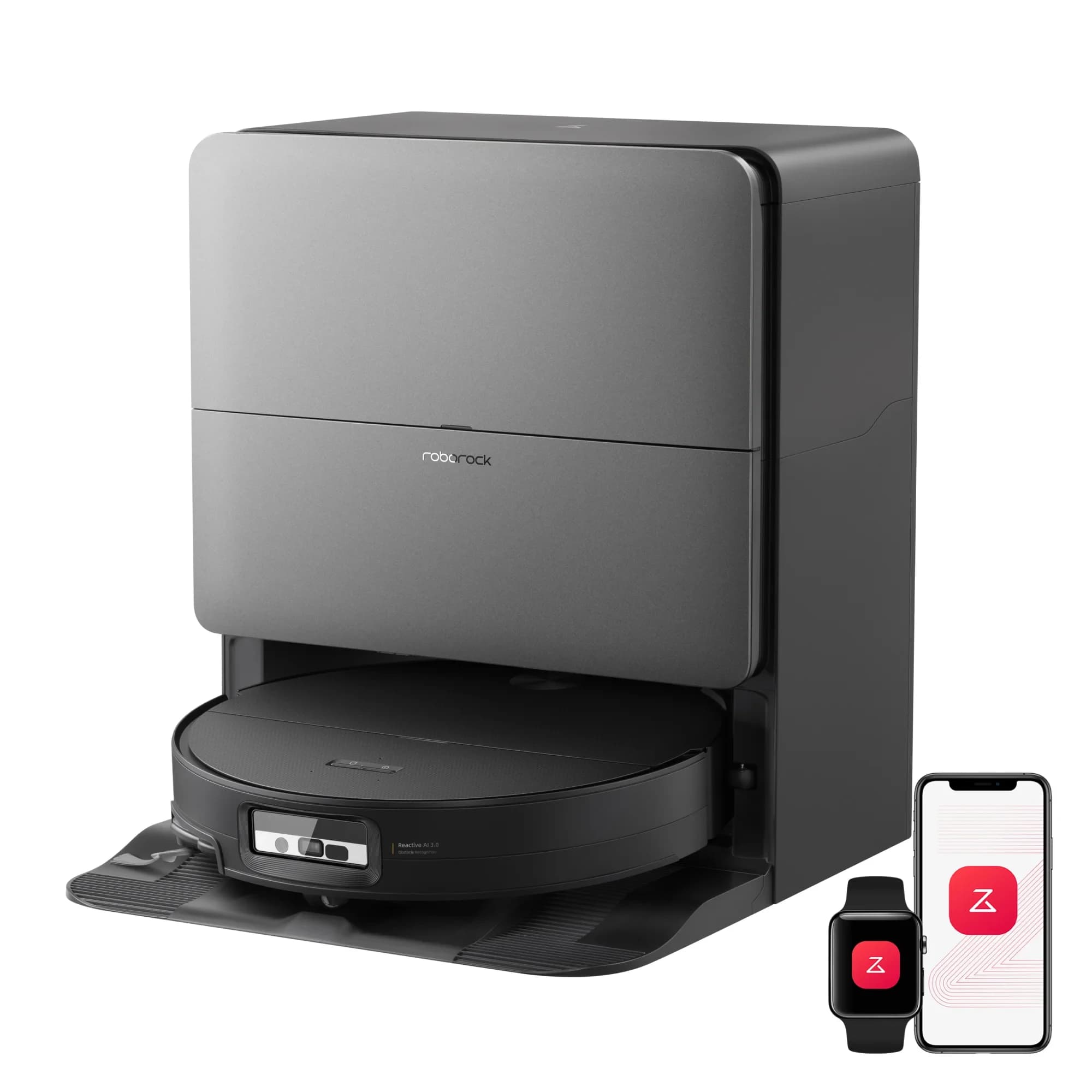
The Saros 20's 36,000 Pa in an 80 mm body with a retractable LiDAR instead of StarSight: 8.79 cm double thresholds, spinning pads, warm-water mopping, a dock that refills and re-washes dirty pads.

Roborock's slim Curv: 79.8 mm tall with a retracting LiDAR, 22,000 Pa, twin 12 N spinning mops with warm water, 4 cm double thresholds, camera obstacle recognition, 80 °C washing and 45 °C drying.

The simpler roller-mop Roborock: 20,000 Pa, a 270 mm roller with eight fresh-water points that lifts 15 mm for carpet, LiDAR with structured light and a camera, four maps and a wash-and-dry dock.

Roborock's roller-mop Qrevo: 35,000 Pa, a 270 mm pressurised self-cleaning roller that lifts 15 mm behind a flap on carpet, and a dock that refills, dries at 63 °C and empties for up to 65 days.

Roborock's American Edge flagship: 36,000 Pa, 4.5 cm single and 8.8 cm double thresholds, a LiDAR that retracts to 79.5 mm, 300 obstacle types by camera and structured light, warm-water mopping.

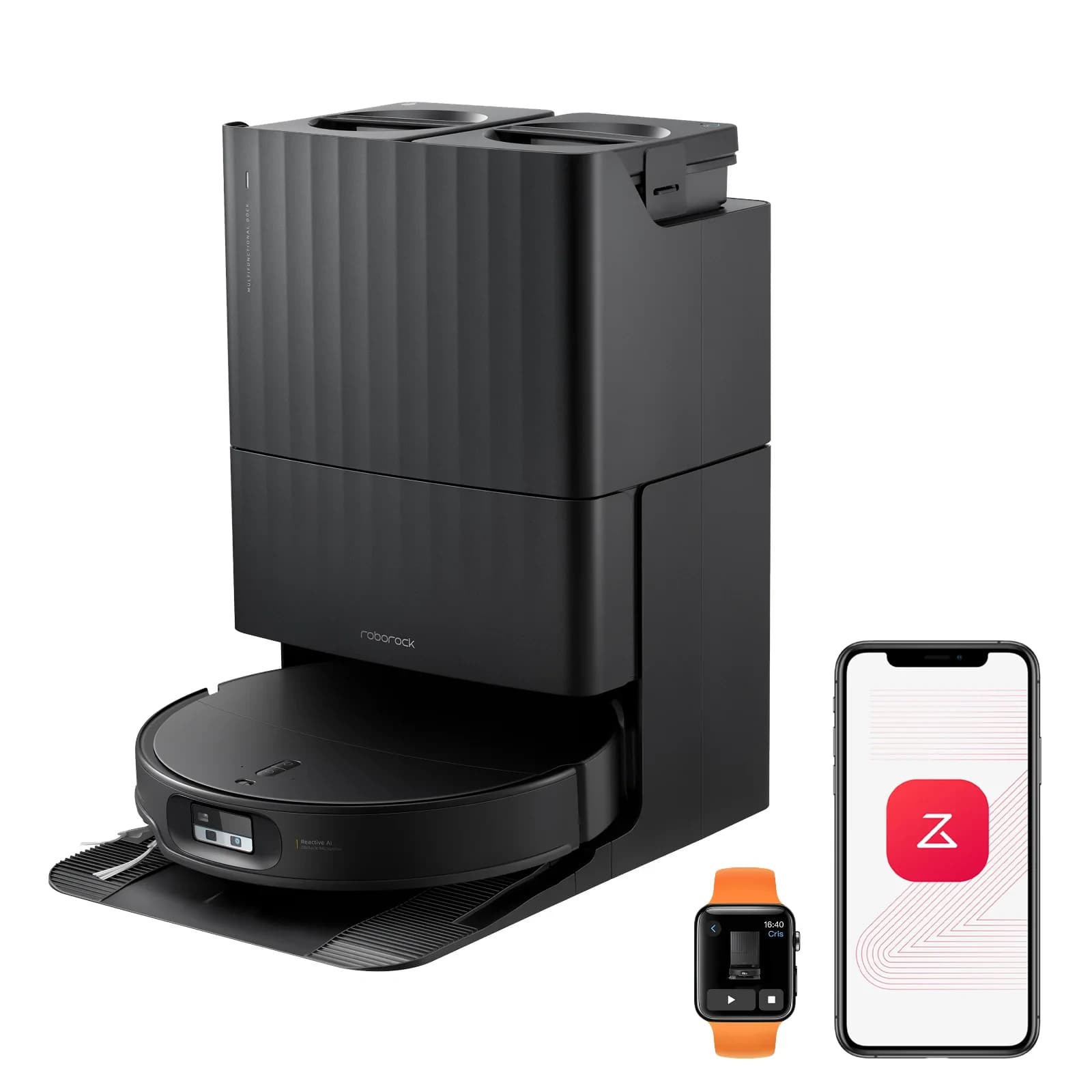
Roborock's flagship with a vibrating mop: 36,000 Pa, a retractable LiDAR in an 80 mm body, a 14 N mop washed at 100 °C while the robot keeps vacuuming, and 4.5 cm sills.

Flagship numbers on a mid-range Qrevo: 25,000 Pa, anti-tangle brushes and an 80 mm body, spinning mops with an edge system and a dock that re-washes a dirty pad, on a short spec sheet.

Roborock's British mid-ranger: 25,000 Pa, anti-tangle brushes, twin spinning mops that extend and come off for carpet, LiDAR with structured light, 63 dB and a dock that washes, dries and empties.

The sensible Roborock: 18,500 Pa, LiDAR mapping, spinning mops that lift for carpet and a dock that washes at 75 °C, dries and empties for seven weeks, at well under half the flagship's price.

The first Qrevo with the lifting chassis: 18,500 Pa, twin spinning mops with an edge mop, 4 cm thresholds, camera obstacle recognition and a dock that washes at 75 °C, dries, empties and refills.

The 2024 Qrevo at a 2026 price: 7,000 Pa, a camera with structured light that names 62 object types, two spinning mops with an extending arm, a 60 °C wash, a built-in voice assistant and video calls.

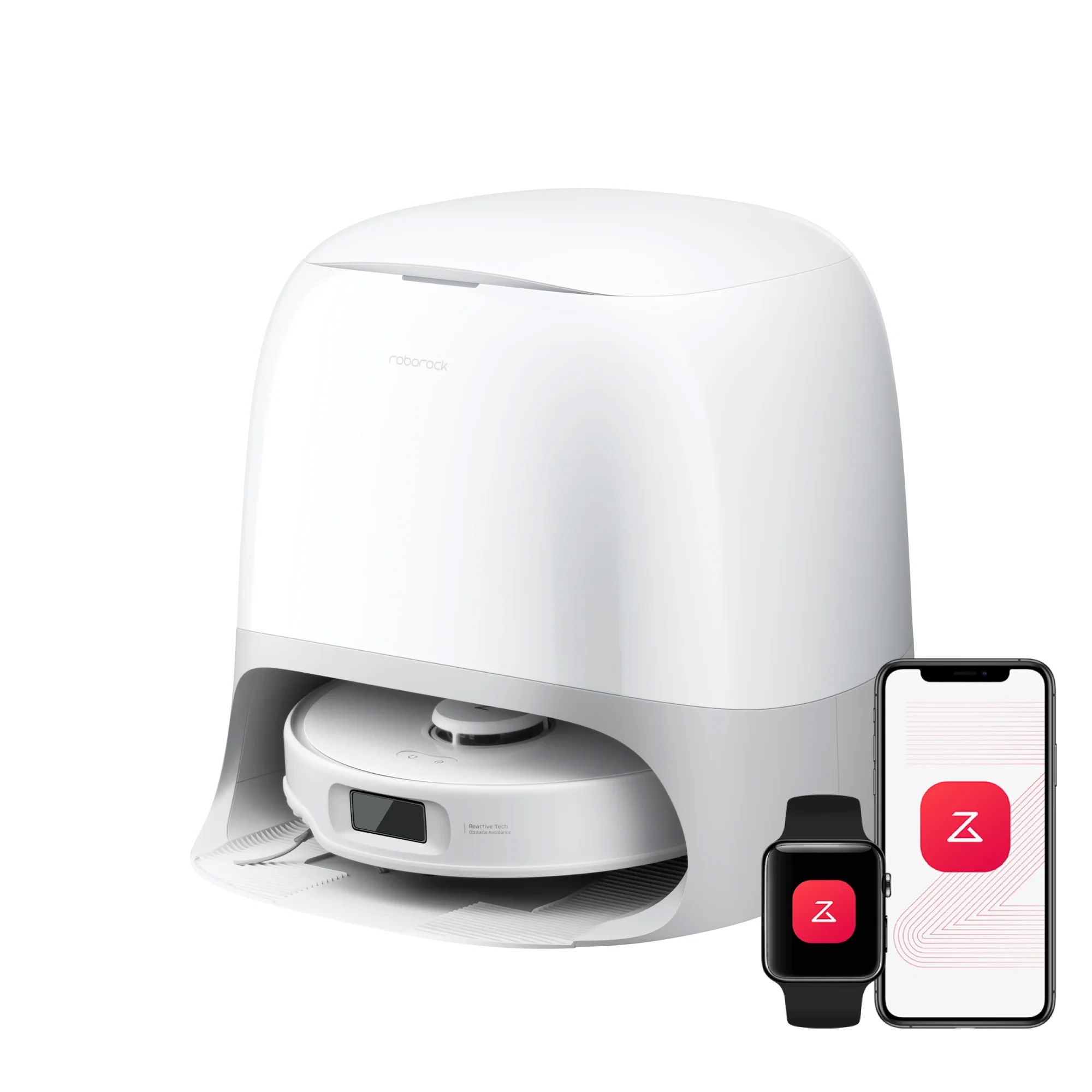
Roborock's roller-mop Saros: 36,000 Pa, a retracting LiDAR in an 89.8 mm body, a roller rinsed with hot water and a tank refilled warm after each wash, and 8.8 cm double thresholds.

Roborock's Qrevo S Pro: 18,500 Pa through an all-rubber brush, two lifting mops at up to 200 rpm, LiDAR with structured light and a dock that washes at 75 °C, dries at 45 °C and refills.

An entry-level Roborock with a self-maintaining dock: 8,000 Pa, LiDAR mapping, twin 200 rpm spinning mops that lift, and a station that empties, washes, dries and refills.

Roborock's flagship before Saros, priced in Poland and sold out in Germany: 10,000 Pa on twin rubber rollers, a vibrating mop with lifting edge mop, 73 object types and an eight-function dock.

Roborock's slim British flagship: 79.8 mm tall with retracting LiDAR, 22,000 Pa, a vibrating mop that detaches for carpet, 3 cm thresholds, camera obstacle recognition and an offline voice assistant.

The sensible Qrevo: 12,000 Pa, SGS-certified anti-tangle brushes, 200 rpm mops that extend and lift 10 mm, structured-light obstacle avoidance, four floors and a wash-and-dry dock with a 2.7 l bag.

The QV 35A with 10,000 Pa: twin 200 rpm lifting mops, an all-rubber brush, LiDAR with four maps, structured light, 2 cm thresholds and a dock that empties, washes, dries and refills.

Roborock's entry full-dock robot: 7,000 Pa, twin 200 rpm lifting mops, an all-rubber brush, LiDAR with structured light and a dock that empties, washes, warm-air dries and refills.

The Q10 S5+ without the auto-empty dock: 10,000 Pa, a vibrating mop that lifts for carpet, structured-light obstacle sensing, LiDAR with four floor maps and up to three hours a charge.

An entry-level Roborock: LiDAR, structured-light obstacle avoidance, a vibrating mop that lifts for carpet, carpet boost and a self-emptying dock for seven weeks, 10,000 Pa and 150 minutes a charge.

The self-emptying Q10 X5: 10,000 Pa, structured-light obstacle sensing, LiDAR with four floor maps, a mop pad that lifts for carpet and a 2.7 l dust bag for over seven weeks.

Roborock's entry-level LiDAR robot with an obstacle sensor: 10,000 Pa, a comb-cleaned anti-tangle brush, a lifting mop, structured-light obstacle avoidance and 150 minutes a charge, with no dock.

Roborock's entry-level self-emptying robot: 8,000 Pa, a comb-cleaned anti-tangle brush, LiDAR with three maps, a static mop pad and a RockDock Plus holding seven weeks of dust, with no obstacle sensor.

The self-emptying Q7 M5: 10,000 Pa, LiDAR mapping of several floors, an anti-tangle comb brush, a dragged mop pad, 2 cm sills and a 2.7 l dust bag for up to seven weeks.

Roborock's entry-level robot: 10,000 Pa, LiDAR mapping of several floors, anti-tangle brushes with carpet boost, a dragged mop pad on an electric tank, and nothing under it but a charger.

The dockless counterpart of the Q7 L5+: 8,000 Pa, a comb-cleaned anti-tangle brush, LiDAR with three maps, a flat mop pad on an electric tank with three levels, and no obstacle sensor.